Why is anyone surprised that state-owned enterprises (SOEs) have liabilities of Rs31.7 trillion? Why is anyone surprised that the power sector has Rs1.5 trillion of unfunded pension liabilities? Why is anyone surprised that SOEs lost Rs2 trillion in FY25?
Loss-making SOEs are not accidents. SOEs are employment and rent-distribution vehicles. Yes, trillion-rupee deficits at the bottom line but trillion-rupee benefits at the patronage line. Public loss is private cash flow.
When SOEs lose Rs2 trillion, that money does not disappear. Rs2 trillion changes pockets. Rs2 trillion gets redistributed. Public loss, private gains. SOEs are political patronage networks. SOEs provide board positions. SOEs provide procurement discretion. SOEs provide advisory contracts.
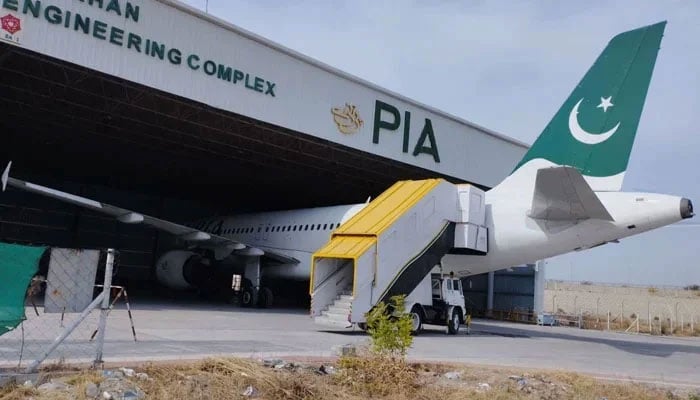
The Pakistan Steel Mills (PSM), Pakistan International Airlines (PIA), Pakistan Railways, the National Highway Authority (NHA) and the Pakistan Electric Power Company (PEPCO) collectively pay millions in sitting and committee fees to non-executive directors.
If SOEs have lost Rs2 trillion, that money did not evaporate. It flowed. It flowed to board members. It flowed to banks. It flowed to vendors and procurement chains. It flowed to fuel and input suppliers. It flowed to non-merit appointments.
SOE losses are not economic evaporation. They are fiscal redistribution. When Rs800 billion is injected into the power sector, the Rs800 billion services contracts, capacity payments, fuel invoices and interest obligations. Yes, the state loses, but counterparties are paid.
Every rupee lost by SOEs is financed by one of three parties: taxpayers, borrowers (through sovereign-backed debt) or consumers (through tariffs). Loss is not destruction. It is transfer.
SOEs share five common features: political appointments, overstaffing, weak procurement discipline and guaranteed borrowing backed by the sovereign. When these entities lose money, the sovereign balance sheet absorbs the shock. Public enterprise losses do not disappear. They migrate to public debt.
Why is anyone surprised that SOEs are losing money? They were never designed to maximise return on capital. They were designed to maximise the distribution of influence. Look at the structure. Appointments are political. Boards are not performance-linked. Borrowing is sovereign-backed. Tariffs are adjusted. Debt is rolled over. The SOE structure is designed to lose money.
When SOE trillion-rupee losses are financed through sovereign-backed borrowing, today’s inefficiency becomes tomorrow’s taxation. Circular debt today becomes income tax tomorrow. That is the link between SOE losses and household pain. Remember, sovereign guarantees are not free. They are deferred taxation.
If SOEs were designed to earn returns, boards would be performance-linked. Loss-making CEOs would be replaced. Assets would be sold. Debt would be restructured. Instead, capital is injected and management retained. That is not commercial discipline. That is political preservation.
Red alert: SOE losses are not accidents. They are transfers. They are redistribution mechanisms. They are financed by taxpayers and absorbed into public debt. When loss carries no penalty, loss becomes predictable. And when the state bleeds, someone is always paid.