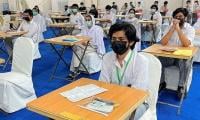
ISLAMABAD: Starting next year, Medical and Dental College Admission Test (MDCAT) will be conducted within one week of announcement of intermediate (FSc) results to streamline admissions process.
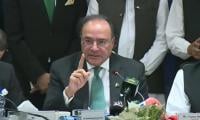
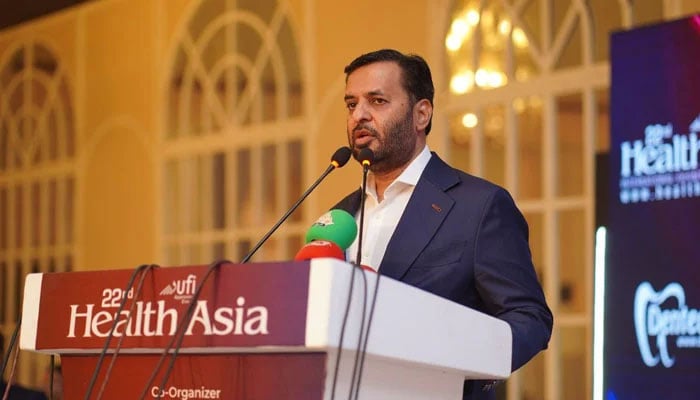
This was stated by Federal Health Minister Mustafa Kamal during a meeting of Senate Standing Committee on National Health Services on Tuesday. The PMDC also informed the committee a total of 22,322 MBBS and BDS seats will be available nationwide for 2026 academic session.
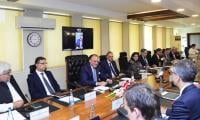
The announcement was made during a meeting chaired by Senator Amir Waliuddin Chishti, where briefings were given on medical education capacity, admission criteria, and workforce statistics.
Officials told the committee aligning MDCAT with FSc results timeline would reduce delays and uncertainty in admissions and help create a more organised academic calendar for aspiring medical students.
The PMDC informed the committee Pakistan has around 386,000 registered medical practitioners and about 4,000 dental practitioners, with more than one doctor available per 1,000 people.
According to the council, total number of seats in medical and dental colleges has reached 22,322, including 12,440 in private institutions and 9,882 in public sector colleges, indicating increasing reliance on private sector for medical education.
A provincial breakdown showed Punjab leads with more than 10,000 seats, followed by Sindh with 5,640, Khyber Pakhtunkhwa with 3,354, Islamabad around 1,600, and Balochistan with only 724 seats, highlighting ongoing regional disparities.
The committee was also briefed on merit formula for admissions: 10pc weightage for matriculation marks, 40pc for intermediate results, and 50pc for MDCAT scores.
During discussion, Senator Rubina Khalid raised concerns about including private medical college owners on PMDC board, warning of potential conflicts of interest. Health officials defended the decision, stating representation from private institutions is necessary due to their significant role in the sector.
Health Minister highlighted growing gap between demand and available seats, noting around 144,000 students appeared in MDCAT exam, while only about 22,000 seats are available, leaving many candidates without admission.
He added nearly 7,000 Pakistani students go abroad each year to pursue medical education, often enrolling in institutions with questionable standards, and only a small number successfully pass licensing exams upon returning.
Calling it a matter of national responsibility, the minister proposed a major expansion in medical education capacity, suggesting number of seats be increased from 22,000 to around 50,000 in coming years.
The committee was also informed several hundred seats remain vacant in some colleges, particularly in Sindh, and inspections will be conducted to ensure compliance with regulations and better use of available capacity.
Later, officials from Drug Regulatory Authority of Pakistan (DRAP) briefed the committee on medicine pricing. Lawmakers were informed a survey of 500 brands of non-essential medicines — nearly half of those whose prices were deregulated during the caretaker government — has been completed.
The CEO of DRAP said survey, expanded from an earlier review of 100 brands, aims to assess how much medicine prices have increased after deregulation. A final report, detailing percentage increase, will be submitted within two weeks.
The committee had requested details on pricing mechanism amid concerns over rising medicine costs, especially after pharmaceutical companies were allowed to set prices of non-essential medicines based on market forces.
Lawmakers stressed the importance of evidence-based policy decisions once the report is submitted. The meeting concluded with calls for reforms to address both affordability of medicines and structural challenges in medical education.