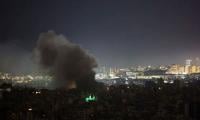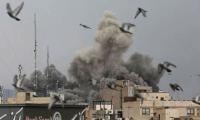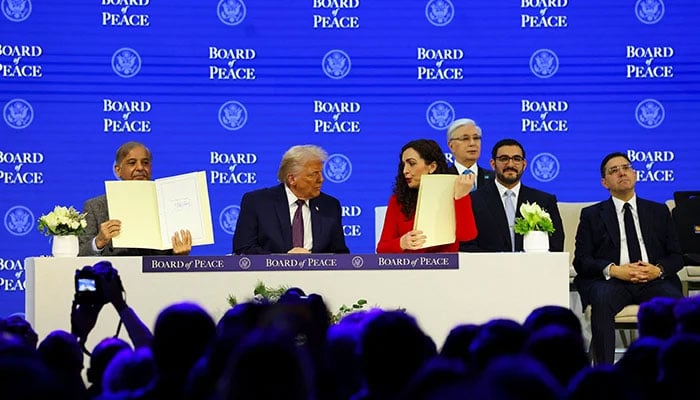
Pakistan’s recent decision to join the Board of Peace (BoP) is not merely a diplomatic gesture. It is a strategically important step at a time when global stability is increasingly fragile. The initiative, supported by major countries including several Muslim states, reflects a collective desire to end the ongoing tragedy in Gaza and move towards a durable peace anchored in international legitimacy.
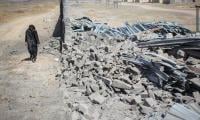
The BoP’s agenda is clear and urgent: to implement UNSC resolutions, secure a permanent ceasefire, facilitate humanitarian relief and support the reconstruction of Gaza. At its core, the initiative seeks to ease immense human suffering while reinforcing the primacy of international law, multilateral diplomacy and collective responsibility in resolving protracted conflicts. The broader objective is to contribute to regional calm, which remains essential not only for the Middle East but for global peace and stability.
Pakistan’s participation in the BoP is therefore both timely and necessary. It represents a pragmatic and collective approach by responsible nations to address a humanitarian crisis that has reached catastrophic proportions. More importantly, it demonstrates that the Muslim world remains engaged and coordinated in pursuing diplomatic pathways for peace. Several key Islamic states have already joined the initiative, with others expected to follow, reinforcing a shared commitment to dialogue and constructive engagement.
For Pakistan, joining the BoP underscores its growing diplomatic relevance on the world stage. In a period marked by uncertainty and fragmentation, Pakistan has pursued a foreign policy grounded in strategic autonomy, balance and principled consistency. It is among the few countries that maintain constructive relations with major global powers while pursuing an independent and balanced foreign policy. This positioning enables Pakistan to act as a bridge between diverse stakeholders, facilitating dialogue rather than deepening divisions.
The current global environment is witnessing shifting power dynamics and increasingly hardened geopolitical fault lines. In such circumstances, prolonged disengagement risks marginalisation. For a country that holds a significant position in the Muslim world and remains a major contributor to United Nations peacekeeping missions, meaningful participation in peace-oriented initiatives is both responsible and necessary. Pakistan’s credibility in this regard is built on sustained action, restraint and practical contributions to international peace and security.
Pakistan’s foreign policy has consistently reflected its national interests through adherence to international law and UN resolutions. Whether addressing issues related to India, Kashmir or Palestine, Pakistan has maintained a principled and lawful approach. Its advocacy for the rights of affected peoples is rooted in legal legitimacy and longstanding diplomatic positions rather than rhetoric or short-term expediency.
Pakistan’s decision to join the Board of Peace also conveys a clear message to the international community: its continued commitment to playing a constructive and responsible role in addressing global challenges, particularly humanitarian crises and conflict resolution. This engagement is consistent with Pakistan’s long-standing contributions to international peace efforts under the UN and other multilateral frameworks.
Ultimately, Pakistan’s participation in the Board of Peace reflects a conscious decision to remain engaged in initiatives that offer a credible path towards de-escalation, humanitarian relief and dialogue. It aligns with Pakistan’s diplomatic traditions and responsibilities as a responsible member of the international community.
Pakistan’s role in this initiative could meaningfully alleviate suffering in Gaza while reinforcing the foundations of a more stable and peaceful international order – one where diplomacy prevails over conflict, humanitarian principles guide action and collective responsibility shapes the pursuit of lasting peace.
The writer is a leading Pakistani industrialist. He can be reached at: