At the very foundation of life lie air and water, the most vital elements of existence. Air is an invisible blessing without which life would end in seconds. A brief disturbance in oxygen supply is enough to remind us how fragile our survival really is.
Water, meanwhile, is life itself. It moves through bodies, landscapes and climates. Rivers, glaciers, rainfall, and oceans together form a global system that sustains all living beings. Ancient civilisations understood this truth well; Greek mythology regarded water, air and fire as divine elements from which all existence emerged.
Thoroughly connected to the air are the gases that make up Earth’s atmosphere. Oxygen sustains life. Carbon dioxide feeds plants. Nitrogen enriches the soil, and trace gases adjust the temperature. This slight balance keeps Earth inhabitable. Human activity disrupts this balance through excessive emissions and pollution. The climate system responds with rising temperatures, extreme weather and ecological stress. The atmosphere is not an endless dumping ground but an excellently tuned life-support system.
Beneath our feet lies soil, often overlooked yet profoundly alive. Soil is rich with minerals, organic matter and microorganisms. And it varies in colour, odour and composition from region to region. These differences shape the crops we grow, the nutrition we receive, and the resilience of ecosystems. Healthy soil stores and accumulates carbon, preserves water and sustains biodiversity.
Ahead of what the naked eye can see exists a vast kingdom of unseen life. Microscopic organisms live in soil, water and air, breaking down waste, recycling nutrients and maintaining ecological balance. They support plant growth, purify water and control disease.
From this basis rise trees and plants, the pillars of life on Earth. Trees provide shade, produce oxygen, regulate climate, stabilise soil and offer shelter to myriad species. Besides, forests act as carbon sinks and influence rainfall patterns far beyond their boundaries. Each tree holds its own story, formed by land, climate, and time. The fact is inevitable: devoid of trees, there will be no birds or animals, and without them, human existence would be unbearable. Life on Earth is intensely interconnected.
Closely linked to plant life are the small creatures of the land – ants, termites, bees, butterflies, worms, spiders and countless insects. Though often ignored, these beings form the backbone of earthly ecosystems. Ants ventilate soil, termites recycle dead wood and bees pollinate crops that feed humanity. These creatures regulate pests, decompose organic matter and maintain ecological balance. Their loss would activate cascading failures across ecosystems.
The natural system then expands into the world of animals, diverse in form, size and behaviour. Some are large and powerful, others small and indescribable; some feed on flesh, others on plants. Predators regulate populations, herbivores shape vegetation, and scavengers clean the environment. No animal exists in isolation. Each plays a role in maintaining balance and sustaining food chains. Their existence raises a deeper question: are animals only resources for humans, or are they integral members in a greater natural design?
Above land and water move birds, among nature’s most elegant creations. Flying and gliding throughout the sky, each bird is a living artwork defined by its colour, shape, and voice. The parrot’s vivid hues contrast with the cuckoo’s dark feathers and melodic song. Birds scatter seeds, restrain insects and connect remote ecosystems through migration. With millions of species worldwide, they bring movement, sound, and energy to the planet. Without them, the world would feel deeply silent.
Beyond land lies the vast realm of aquatic life. It wraps more than 70 per cent of the planet. Oceans control climate, absorb carbon dioxide and produce a significant portion of the world’s oxygen through microscopic plankton. Fish, coral reefs, whales and countless marine species form complex food webs underneath the surface. Coral reefs protect coastlines and support livelihoods, though mangroves and seagrass store huge amounts of carbon. The health of oceans is indivisible from the health of the planet.
Even the food we consume daily reflects this complex diversity of nature. Vegetables differ in taste, texture and form – spinach is different from mustard greens, carrots differ from radishes, and onions from tomatoes. Fruits exhibit a superior variety, shaped not only by species but by soil, water, and climate. A mango grown in Sindh has a different character than one grown elsewhere, reminding us that land leaves its signature on life. Our foods are direct expressions of ecological systems.
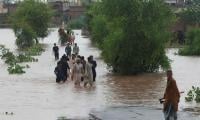
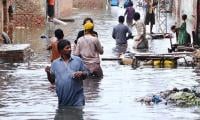
Despite all this remarkable harmony, humanity continues to damage the very systems that sustain it. Forests are disappearing. Oceans are polluted. Species are vanishing. Soils are degraded. Air becomes toxic. And water grows inadequate. Climate change intensifies heatwaves, floods and droughts, exposing the costs of environmental abandonment. We must pause and ask ourselves: are we treating nature with justice? Do we truthfully value the blessings we have been bestowed, or are we sacrificing long-term survival for short-term gain?
Protecting the natural environment is no longer merely a moral choice but a necessity for survival. To safeguard air, water, soil, forests, oceans and all forms of life is to safeguard humanity itself. Reflection must lead to responsibility, and responsibility must lead to action. The time to rethink our relationship with nature and to act with wisdom and care is now.
The writer is assistant director, Climate Change Adaptation, at the Pakistan Red Crescent Society, Islamabad.