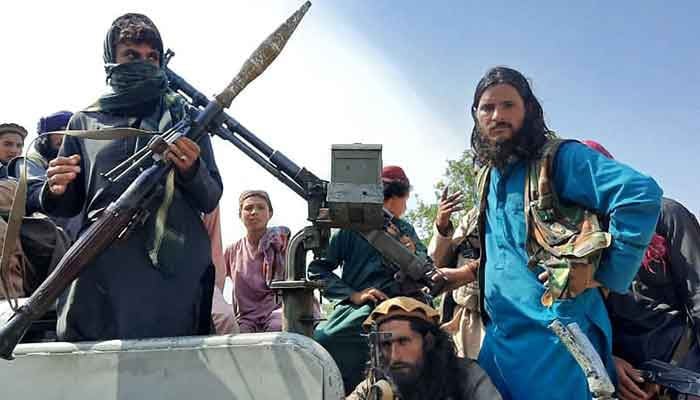
The Tehreek-e-Taliban Pakistan (TTP) has emerged as a serious menace to Pakistan, particularly in the former tribal areas. While the group has posed a threat since its formation in 2007, its activities intensified sharply after the Afghan Taliban returned to power in August 2021.
Instead of improving border security and bilateral relations, the change in Kabul emboldened militant groups, with attacks on Pakistani security forces and civilians rising by around 70 per cent. The situation is further compounded by unrest in Balochistan, where BLA and BRA terrorists reportedly find sanctuary in Afghanistan and receive external support.
Four years of Taliban rule have turned Afghanistan into a hub for multiple terrorist organisations. According to a recent UN Security Council report, groups such as the TTP, ISKP, Al-Qaeda, IMU and ETIM are now concentrated there. If left unaddressed, this environment risks producing another major international terrorist catastrophe. Yet the Taliban regime continues to deny these realities, publicly claiming that peace and security prevail across the country.
For Pakistan, the TTP remains a pressing but manageable challenge, provided sustained pressure is applied both domestically and diplomatically. So far, however, the Taliban leadership has adopted an evasive stance – denying the presence of TTP fighters publicly while privately acknowledging them and seeking financial assistance from Pakistan to relocate them within Afghanistan.
It is becoming clear that the Afghan Taliban authorities are propping up TTP terrorists to perpetrate their activities inside Pakistan. The Taliban regime describes TTP as ‘guests’, who, under the Pashtun honour code, Pashtunwali, have been accommodated along with their families. The UN estimates show approximately 6000-6500 TTP cadres and 56,000 of their siblings are putting up in Afghanistan.
It is no longer a secret that India renders financial assistance to the TTP, mostly through Afghan proxies. BLA/BRA reportedly take money directly from India. India’s improved relations with the Taliban regime could enable the Taliban to operate more freely within Afghanistan, and also make it easier for India to provide financial and material assistance to the regime. Therefore, India benefits if the TTP keeps Pakistan engaged along its western borders. Ultimately, it is up to the Afghan Taliban to balance their new relationship with India and their relations with Pakistan, understanding that Indian outreach to the Taliban regime is likely driven not by support for Afghanistan itself, but by intentions to use Afghanistan and its officials in a manner adverse to Pakistan.
A host of interlocking factors sustain terrorist activities in Khyber Pakhtunkhwa and Balochistan with the connivance of the Afghan Taliban. The TTP is entrenched in the former tribal areas, maintaining robust communications and a steady supply of manpower. Their finances come from extortion, kidnappings, smuggling of narcotics and other banned goods, and from Afghan mosques in the Greater Paktia region. India, since the republican era, has also provided financing for the Afghans. Now, the Afghan Taliban may be flexing its muscles to do the Indian bidding.
Second, the merger of former Fata has failed to deliver peace and stability in the area. The merger was an attempt to integrate the tribal belt into the mainstream, but it failed to bring socioeconomic uplift to the region, thereby giving the TTP a rare opportunity to exploit the sensibilities of tribal people. For instance, Rs1 trillion was promised in 2018 for the development of the newly merged districts over 10 years; however, by 2024, only Rs70 billion had been spent, rendering the entire exercise ineffective. The ensuing poverty in the region has offered fertile ground for the TTP to recruit youth for its terrorist activities.
Third, for a long time, Balochistan has faced governance challenges, in which law-enforcement agencies have acted as a guardian angel. Somehow, the planning by the powers-that-be has gone awry without giving the desired results. One fails to understand the wisdom of political engineers running the province’s affairs through pliable touts. Consequently, the product that has come to the surface is not only a sheer disappointment but has created a colony of parasites sucking the province dry. In such a circumstance, dissidence in the province has only grown.
Stakeholders will need to make a serious effort to address the TTP/BLA challenge comprehensively. Policymakers should return to the drawing board to identify socio-political remedies that put people at the centre stage. Let the people decide about their fate. The following course of action may be desirable:
First, designate the police as the first responders to address the TTP and BLA. This will not happen overnight, but the police will require training and resources to counter the terrorists. The police will act only if they enjoy political ownership at the provincial, district and village levels. Therefore, people’s right to control their affairs must be established without fail. Other law-enforcement agencies should assist the police.
Second, Balochistan faces a socio-political dilemma concerning the relationship between the feudal and the common people. For a change, let genuine people rule and bring peace and normalcy to the province. Again, this will be a long haul requiring patience and perseverance.
Third, the Afghan Taliban are learning the ropes. They must be discovering, to their horror, the difference between militancy and governance. Their lack of capabilities in politics and economy will continue to pose grave challenges at the cost of common Afghans suffering from abject poverty; malnourishment amongst children, while women are facing the worst kind of apartheid with no access to education and jobs. Their conduct of foreign affairs is equally erratic; they lack the capacity to make decisions, especially on complex issues.
The Taliban’s modus operandi of postponing issues with the idea that they will die down is further compounding the problems for the neighbours, especially Pakistan. A regional approach to counsel the Taliban regime will be needed. If the Taliban don’t perform, they should be ready to face the collective punishment as enshrined in UN Security Council resolutions 1368 and 1373, which are still open to monitor the Taliban’s conduct and suggest remedial measures.
The writer is a former ambassador of Pakistan to Iran and the UAE. He is also a former special representative of Pakistan for Afghanistan and currently serves as a senior research fellow at the Islamabad Policy Research Institute (IPRI).