In our chequered history, power has been invariably portrayed as legitimacy. Obedience extracted through fear is misrepresented as consent.
The prevailing narrative speaks confidently of a functioning democracy, an economic upturn and diplomatic revival. This carefully curated optimism fails to cloak an inherent contradiction. It is that of a system sustained not by public belief but by coerced consent.
It relies on force, intimidation, censorship and institutional pressure. Citizens comply outwardly not because they trust the system but because they fear reprisals if they express dissent. Such compliance only produces an illusion of order. It lacks moral depth and can never evoke loyalty. Built on fear, such a system can never endure.
The divide between compliance and conviction is starkly evident in the increasingly plunging public trust in our electoral process and political institutions. This mindset underscores a simple but unsettling truth that obedience might exist but belief does not.
Pakistan’s own past offers repeated warnings. Periods of centralised authority, whether under civilian governments or otherwise, leaning heavily on coercion, have followed a familiar trajectory. Freedoms were curtailed, institutions weakened, dissent suppressed and citizens alienated. Control was achieved through coercion, but legitimacy remained ever-elusive.
Trust is the foundation of effective governance. When citizens perceive institutions as biased or unjust, they disengage from civic life and begin to see the state as an adversary rather than a protector. This erosion of trust weakens national cohesion and ultimately undermines the very authority repression seeks to preserve. A society cocooned in fear can never be mobilised for reform, resilience or long-term development.
Our constitution, in its original form, drew deeply from Islamic moral principles. Justice (adl), consultation (shura) and accountability formed its ethical core. Governance was intended to be exercised as a responsibility, never as domination. Coerced consent violates not only democratic norms but also the envisioned moral framework of Pakistan.
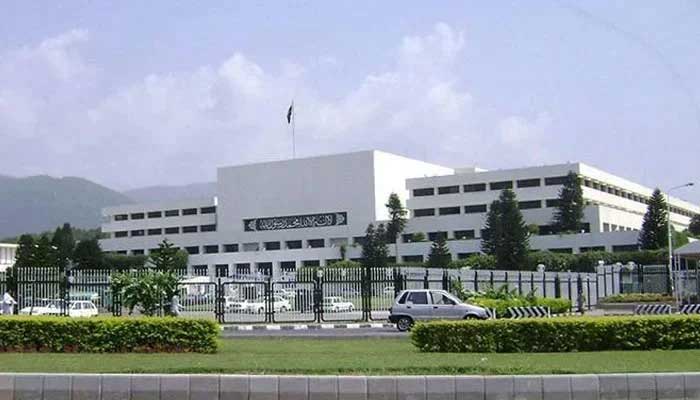
A democracy is not the mere existence of an electoral process, courts or legislature. It is defined by their credibility, independence and legitimacy. Our current governing system increasingly reflects autocratic legalism – the use of legal and constitutional mechanisms to perpetuate power.
When large segments of society believe that their mandate has been neutralised or engineered out of relevance, the moral basis of governance collapses. It is then that authority no longer flows from public consent but from institutional alignment and coercive enforcement.
The consequences are predictable. Governments insulated from electoral accountability tend to govern reactively rather than prudently. Decisions are improvised and announced without consultation, reversed without explanation and imposed without public ownership.
Our governance reflects this pattern. Economic and diplomatic measures are abrupt, regulatory signals inconsistent and political direction uncertain. The claim of economic revival, when examined closely, fares no better. What is presented as recovery is largely short-term stabilisation achieved through external assistance.
This failure is visible in the treatment of SOEs, which were mismanaged for decades. A dumping ground for political appointments, they were run to the ground by inefficiency and mismanagement. Their decline is now cited as justification for their privatisation. Sold for a pittance, they will soon be the crown jewels of power-elite conglomerates while, like the privatised PIA’s Rs670 billion, the public absorbs the losses
Billions received from the IMF and friendly states are conditional and designed to avert collapse, not to generate sustainable growth. It is merely a ventilator, not structural repair. Deep-seated problems like elite capture, unrepresentative governance, tax inequity and institutional inefficiency remain unaddressed. Regimes lacking legitimacy are structurally incapable of meaningful reform because reform requires political capital, public trust and social consensus.
Persistent public debt, insufficient job creation and a punishing cost-of-living crisis define an economy where governance is unpredictable and institutions lack credibility. A buoyant stock exchange touted as economic revival is a fallacy. Investors seek rule of law, policy continuity and institutional reliability.
Pakistan’s accelerating loss of professionals, students and entrepreneurs tells its own story. This exodus of human capital is a silent referendum. No economy can thrive when its most capable minds seek dignity and professional security in foreign lands.
Defenders of the status quo point to the absence of mass street protests as evidence of public satisfaction. This claim is deeply misleading. It is not contentment but a subdued populace under conditions of repression and exhaustion.
As for functioning institutions, courts do hear cases, legislatures convene, regulators issue directives, yet their autonomy is a question mark. They are increasingly perceived as tools of executive dominance rather than guardians of public interest. This erosion of trust is more dangerous than institutional absence because it normalises injustice and extinguishes faith in reform through lawful means.
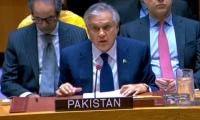
Diplomatic activism forms another pillar of the official success narrative. Yet diplomacy divorced from domestic legitimacy is inherently transactional. It is driven by necessity rather than confidence in governance quality. A state lacking internal consensus negotiates from vulnerability, prioritising survival over strategy. It offers compliance rather than partnership.
Diplomatic photo opportunities may generate headlines, but they do not translate into durable alliances, sustained investment or genuine international influence. Without legitimacy at home, foreign policy remains reactive, constrained and dependent.
Selective data, exaggerated projections and the silencing of dissent are the props of this smoke-and-mirror illusion. Reality cannot be managed indefinitely. Authority divorced from justice may endure briefly but, ultimately, it collapses under the weight of its contradictions.
The path forward lies not in perfecting and refining the instruments of control but in restoring moral and governing legitimacy. This requires genuine political competition, independent institutions and the protection of dissent.
Legitimacy transforms governance from survival to service. It turns economic management into development and diplomacy into strategy. Legitimacy garners loyalty, power only commands obedience. Loyalty builds nations; fear tears them apart.
The writer is a freelance contributor. He can be reached at: [email protected]