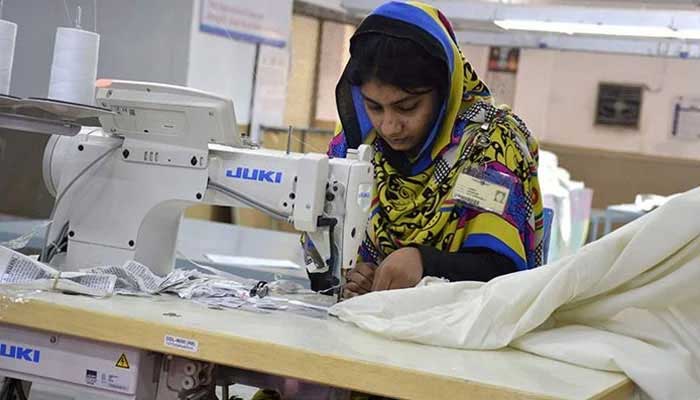
Calling small and medium-sized enterprises the backbone of the economy is no exaggeration. Globally, this sector plays a significant role in economic improvement. However, in Pakistan, it has long remained neglected by policymakers. The latest announcement of a comprehensive three-year business plan for SMEs, now awaiting approval from Prime Minister Shehbaz Sharif, offers some hope. If implemented in a timely manner, the plan could help formalise a fragmented sector, raise productivity and widen access to finance. According to a 2023 survey by the Association of Chartered Certified Accountants (ACCA) on challenges faced by SMEs, cost pressures linked to the global economic environment have intensified across multiple sectors, with many businesses reporting sharp increases in utility prices and input costs. Rising energy, materials and other essential supply costs have placed significant strain on SMEs, making day-to-day operations increasingly challenging. For many firms, the scale of these cost pressures is unusually severe and has added to an already challenging operating environment.
In Pakistan, rising energy prices have placed a significant strain on businesses. On top of this, the high-risk nature of SMEs often keeps them away from financing, with financial institutions choosing to be risk-averse. The scope of the latest plan is encouraging. By addressing limited credit access, low productivity and climate-related risks, it acknowledges the realities SMEs face rather than offering cosmetic fixes. Equally significant is the focus on women’s participation, an area where Pakistan continues to underperform. Bringing more women into the formal SME ecosystem would not only boost household incomes but also strengthen national growth, given that job creation remains low. This would also require attention to the country’s infrastructure challenges. The existing system is inherently anti-women as it restricts their mobility. Women also have to bear the burden of household and care work. Better workplace laws, such as daycare facilities for women, can go a long way towards ensuring women’s participation in the workforce.
The fear in Pakistan’s case is that while policies are announced with much fanfare, their execution often remains weak. Bureaucratic inertia and shifting political priorities usually lead to the sudden abandonment of much-celebrated plans. The government’s pledge of ‘100 per cent implementation’ under the prime minister’s direct supervision is reassuring, but we will sit and wait to see how quickly this is done and how businesses are benefiting. On paper, the financial institutions offer collateral-free loans up to Rs10 million, but only a handful of companies qualify for such. If we are serious about uplifting SMEs, we need to move beyond rhetoric and face the challenges head-on. Pakistan’s economic recovery and future growth depend heavily on empowering its entrepreneurs. The government must now prove that it can deliver.