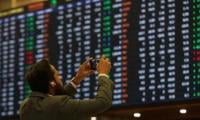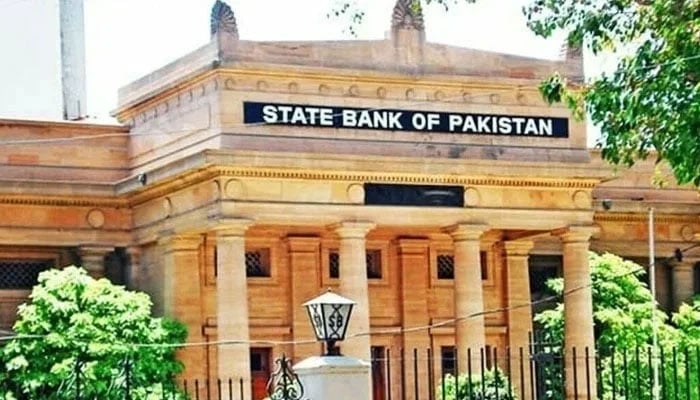
Defying market expectations, the Monetary Policy Committee (MPC) has decided to give the country an early Christmas gift, cutting the key policy rate by 50 basis points (bps) to 10.5 per cent. While this might be a rather modest gift, it still ought to be appreciated given all the criticism directed at policymakers for keeping rates stable since May. This makes it all the more surprising that the MPC has picked this moment to lower rates, since headline inflation rose from 4.1 per cent to 6.1 per cent and the trade deficit surged by 33 per cent year-on-year in November. However, the MPC statement notes that inflation, on average, remained within the 5-7 per cent target range during July-November FY26, though core inflation is proving relatively sticky. The statement also says that economic activity continues to gain traction, with a higher-than-anticipated increase in large-scale manufacturing in Q1- FY26. That being said, the MPC acknowledges that the global economic environment remains challenging, especially for exports. So while there is a cut, few will be calling it a major boost. If anything, some analysts think that this could be the last policy rate cut we see for the current fiscal year, with inflation expected to rise in the second half of FY26 owing to Ramazan and Eid and rising important demand potentially creating additional pressures.
Pressures on the fiscal front are set to increase, with the government agreeing with the IMF to raise tax rates on fertilisers, pesticides and sugary items, and to increase the GST rate to the standard 18 per cent on selected goods. The IMF’s staff report released last week also says that if revenue were to fall short of expectations by end-December 2025, the authorities plan to adopt additional measures to safeguard the fiscal targets, including increasing excises on fertilizers and pesticides by five percentage points, introducing excises on high-value sugary items, and broadening the sales tax base by moving select items to the standard rate. It also claims that, under such a revenue shortfall, the government is willing to reduce or postpone spending. While the government has been quick to dismiss reports of new conditions under the current IMF programme, the conditions appear to be becoming more challenging as Pakistan continues to progress under the programme. For the public, this means inflationary pressures appear to be growing alongside tax pressures, and as a result, the budgetary pressures most people have been facing since the start of the programme are not set to ease any time soon.
However, despite the hikes in taxes, revenue collection still remains a challenge and the burden has fallen disproportionately on the salaried class. And while the government is touting a shift away from aid-based support toward a trade- and investment-led model, both are growing in the wrong direction. The trade deficit is climbing and investment risks falling below the 13.0 per cent investment-to-GDP ratio for the first time. International markets and investors still do not seem to have confidence in Pakistani goods or assets and domestic investors still seem to prefer to park their money abroad. While a high tax burden is arguably unavoidable given the IMF conditions and the imperative for stabilisation, it is disappointing that other steps do not appear to have been taken to improve the investment climate. The privatisation programme also still appears to be stalled. The government needs to implement reforms that can improve the trade, investment, and reform landscape within the IMF’s strictures. Given that fiscal space to encourage growth is shrinking, the only hope appears to be that others will put their money in Pakistan. As such, this cut might be a rare piece of economic ‘good news’ for a while.