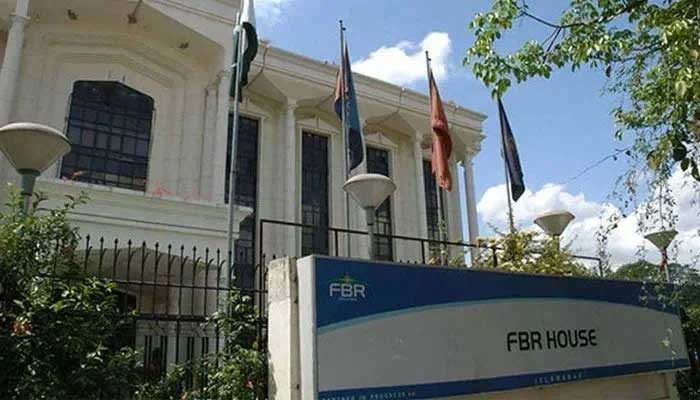
ISLAMABAD: The Federal Board of Revenue (FBR) has uncovered extensive alleged tax evasion in Pakistan’s medical sector, revealing that nearly 60 percent of doctors registered with the tax authority did not bother to file their income tax returns.
The FBR’s scrutiny of doctors and diagnostic health sector entities nationwide exposed significant mismatches between declared incomes and actual earnings. Although empowered under Section 175C of the Income Tax Ordinance to install Point of Sale (POS) systems at hospitals and clinics, the tax authority continues to face strong resistance from the medical community. The dispute has escalated to the Prime Minister’s Office, prompting the FBR to present its findings showing that alleged evasion is widespread and growing.
The decision to scrutinize the health and education sectors came after the FBR highlighted that both receive substantial financial inflows yet report disproportionately low tax contributions. The detailed review of the health sector’s income tax returns confirmed extensive underreporting and alleged non-compliance.
According to official data, 130,243 doctors are registered with the FBR across Pakistan, but only 56,287 filed tax returns this year. This means more than 73,000 registered practitioners did not file at all, despite operating in one of Pakistan’s highest-earning professions.
The data shows that 31,870 doctors declared zero income from private practice in 2025, while 307 reported losses—despite consistently high patient volumes in major cities. Only 24,137 doctors acknowledged earning any business income. Even among those who filed, reported earnings and tax contributions appear disproportionately low compared to actual market rates.
The FBR’s figures indicate that 17,442 doctors with receipts above Rs1 million paid an average of Rs1,894 per day in taxes. Another 10,922 doctors earning Rs1–5 million annually contributed just Rs1,094 per day. Among those in the Rs5–10 million bracket, 3,312 paid around Rs1,594 per day—amounts that often fall below the fee for a single patient consultation.
The highest-earning 3,327 doctors, with receipts exceeding Rs10 million annually, contributed an average of just Rs5,500 per day. Meanwhile, 38,761 doctors reporting receipts below Rs1 million declared that they owed only Rs791 per day in taxes. In stark contrast, 31,524 doctors declared zero receipts yet collectively claimed Rs1.3 billion in tax refunds.
This pattern stands in sharp contradiction to the everyday reality of crowded private clinics and consultation fees ranging from Rs2,000 to Rs10,000. For comparison, a grade 17–18 government officer contributes more in monthly taxes than many doctors contribute over several months, despite having little capacity to conceal income. These findings raise a critical question: can Pakistan sustain its fiscal needs on taxes paid primarily by those whose incomes cannot be hidden, while high-earning sectors underreport or avoid reporting entirely? The situation underscores a troubling imbalance in the tax system.
This emerging compliance gap highlights the urgent need for robust enforcement to restore fairness, particularly among high-earning professions. Strengthening compliance is no longer optional—it is essential for the country’s economic stability. According to PMDC data, Pakistan has 383,450 doctors and dentists in total. However, the FBR clarified that its analysis covered only 130,243 doctors—those who identified themselves as medical practitioners in its latest records.