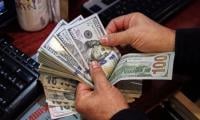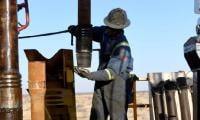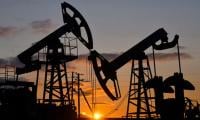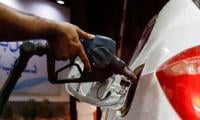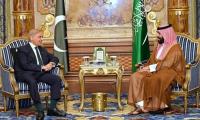
Prime Minister Shehbaz Sharif on Friday announced that petroleum product prices will not be increased in the country, citing the move as a measure to shield Pakistanis from rising costs amid global oil price hikes.
The statement comes as the federal government was scheduled to review the fuel prices on March 13 (today).
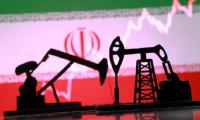
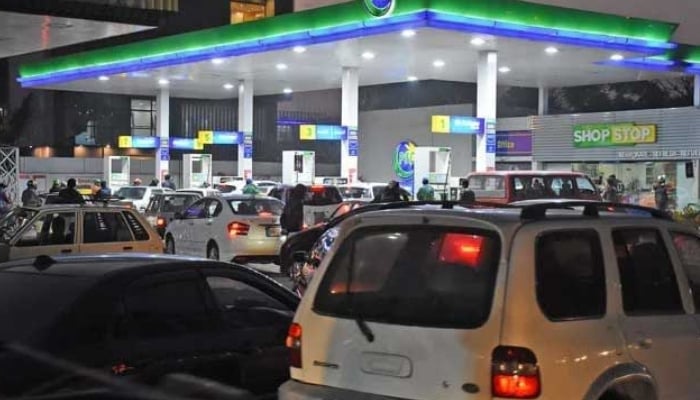
On March 6, the government had raised petrol and diesel prices by Rs55 per litre each as surging global oil prices, fuelled by the US Israel war with Iran, put pressure on domestic energy costs.
At the time, the petroleum minister said that the government would reduce prices promptly once the situation improved.
However, PM Shehbaz said today that the ongoing regional tensions are keeping the global economy under pressure, which could significantly affect Pakistan’s financial stability, state media reported.
"Through timely policy-making and strict fiscal discipline, we are striving to manage the situation effectively," he added.
The premier said that the government was making efforts to deliver as much relief to the public as possible.
He added that the government was taking austerity and fuel-conserving measures to shield citizens from rising costs.
The sharp increase in the domestic petroleum prices and another potential hike in the global oil prices led the government to announce an austerity plan.
In an address to the nation on March 9, the prime minister said the measures were necessary to deal with the prevailing global fuel crisis triggered by the ongoing US-Israel-Iran conflict.
PM Shehbaz then announced that both the federal and provincial governments would adopt austerity and simplicity to reduce expenditures and conserve energy during the challenging economic situation.
The measures included cutting government expenditures, reducing the working week to four days, and reducing non-essential movement.