GILGIT: After more than two months of deadlock, trade and tourism activities between Pakistan and China resumed on Saturday as traders formally ended their 68-day sit-in at the border, following a breakthrough in negotiations with federal authorities.
The protest, which had virtually crippled cross-border commerce and passenger movement since July, was spearheaded by the Pak-China Traders Action Committee in coordination with the Gilgit-Baltistan Supreme Council.
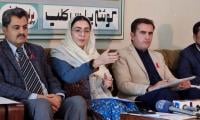
Announcing the end of the sit-in, Ishfaq Ahmed, President of the Gilgit-Baltistan Chamber of Commerce and Industries, termed the development “a historic achievement” as the federal government agreed to address longstanding demands.
Trader leader Rehan Shah said that more than 200 containers stuck at Sost Dry Port for nearly two years would be cleared within the next two days. He added that the agreement included the issuance of a Statutory Regulatory Order (SRO) within a month to formalise the exemptions. “If the SRO is delayed or our demands are overlooked, traders and the Supreme Council will reconvene to chart the next course of action,” he warned.
The dispute had stemmed from the imposition of federal taxes in Gilgit-Baltistan, which lacks constitutional representation in Parliament. Traders maintained that the taxation was unlawful and discriminatory.
During the two-month-long blockade, commercial traffic between the two countries came to a standstill, leaving hundreds of passengers stranded and suspending bilateral trade worth millions of dollars.
Under the agreement, Gilgit-Baltistan has been exempted from certain income tax, sales tax, and central excise duty in line with its constitutional status.
The protest, one of the longest in the region’s recent history, underscored Gilgit-Baltistan’s fragile legal and economic position, while also reflecting Islamabad’s challenge in balancing local grievances with its commitments under the China-Pakistan Economic Corridor (CPEC).