Rawalpindi: Repeated rain spells in this region of the country for the last two days including a long spell of heavy rains from Wednesday evening to Thursday morning have caused collection of heavily contaminated water in streets and houses putting the population in the district at a greater risk of contracting water and food borne infections.
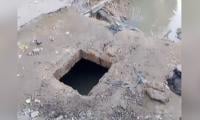
On Thursday morning, heavy rain caused flash flooding across Rawalpindi division affecting most the population living in low-lying congested areas while in Rawalpindi city and adjoining areas, the waste water flooding out of various nullahs including Nullah Leh caused heavy inundation inside hundreds of homes and streets in a number of localities particularly in thickly populated areas of the city.
The heavy rain on Wednesday and Thursday flooded a number of localities in almost every nook and corner of the city along with peripheries adjoining the twin cities of Islamabad and Rawalpindi. People living in localities including Dhoke Elahi Buksh, Arya Mohallah, Dhoke Khabba, Chah Sultan, Sadiqabad, Mohanpura, People’s Colony, Raja Bazaar, Javed Colony, Pirwadhai, Tench Bhatta, Ganjmandi, Jamia Masjid Road, Amarpura, Waris Khan and Shamas Abad in city area apart from a number of smaller vicinities had to suffer from heavy inundation on Thursday.
A number of houses in societies, mohallahs and streets located along Adiala Road, Siham Road, Misrial Road and Chakra were also inundated making the situation alarming and increasing the chances of spread of a number of water and food borne infections including gastroenteritis.
According to health experts, the water inundation inside and outside homes in a number of localities in the region would contaminate drinking water at sources and as well contaminate the food items particularly vegetables and fruits. The contamination of water and foodstuff would increase the chances of outbreaks of a number of infections among the population while children are at greater risk of contracting life-threatening infections in unhygienic conditions.
The experts also fear that nearly 70 per cent of the population in the region becomes at risk of contracting water-borne diseases as they are using tap water or water from wells for drinking and these sources may become contaminated after heavy rainfall. The water accumulated on earth surface in result of heavy rains may also contaminate underground water reservoirs after seeping into the ground. In the existing conditions, individuals must start using water for drinking after proper boiling, at least for five minutes, to avoid water-borne infections.
After water inundation, the spread of infections including cholera, typhoid, dysentery, gastroenteritis, hepatitis A and E, shigellosis and giardiasis may not be ruled out.