May 20th is observed as World Bee Day, a global initiative to raise awareness about bees and their importance for environmental sustainability. You! takes a look…
wbd
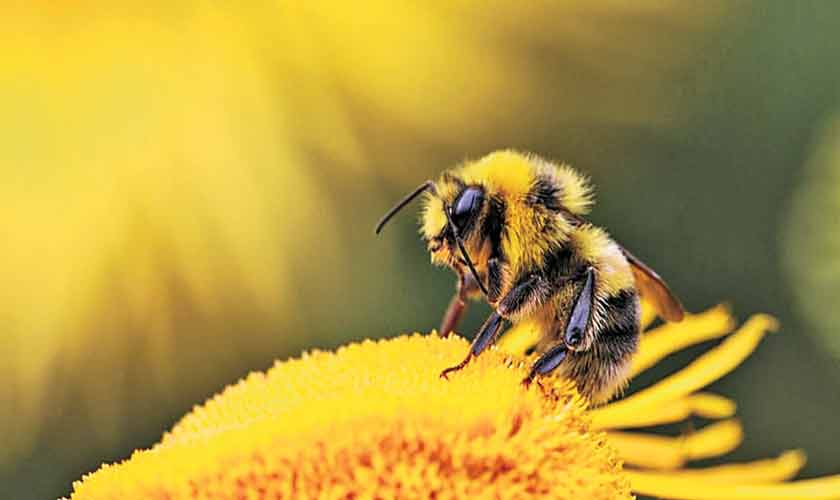
Bees are some of the most remarkable creatures on the planet. Despite their small size, they play an important role in maintaining the balance of our environment and supporting human life. By pollinating flowers, fruits and vegetables, bees help plants reproduce and ensure the growth of crops that feed millions of people.
In Pakistan, where agriculture is a key part of the economy, bees are vital to both food production and the livelihoods of countless farmers. Their presence supports the cultivation of mangoes, citrus fruits, apples, guavas, nuts and many vegetables, making them indispensable to agricultural success.
Farmers in the rural areas depend heavily on bees for natural pollination, which leads to better crop yields and higher-quality produce. Without them, many crops would see reduced productivity, affecting both food supply and incomes. The economic impact could be severe, particularly in regions where farming is the main source of livelihood. Beyond agriculture, bees are important for maintaining biodiversity. Their pollination supports flowering plants that provide food and shelter for other animals, creating a healthier and more balanced ecosystem.
Unfortunately, bees in Pakistan face numerous threats. The widespread use of pesticides, deforestation, urban expansion and climate change all contribute to the decline of bee populations. Pesticides, though intended to protect crops, can harm bees directly or weaken their colonies over time. The destruction of natural habitats through deforestation and construction reduces the number of flowers and nesting sites that bees rely on. Climate change further complicates matters by altering flowering seasons and limiting the availability of food sources for bees. Additionally, water scarcity and pollution in some areas also affect the plants that bees depend on, making their survival even more challenging.
In addition to environmental threats, there is also a lack of awareness about the importance of bees. Many people consider them pests or focus only on their stings, rather than recognising their vital role in sustaining agriculture and ecosystems. Simple measures such as planting flowering plants, reducing pesticide use and supporting local beekeepers can make a significant difference.
Education campaigns can help communities understand that bees are allies, not nuisances. Schools and universities can also play a role by introducing students to environmental topics and teaching them how to protect pollinators. Small workshops and local community projects can inspire young people to take practical action, leading to lasting benefits.
Beekeeping has long been a traditional practice in Pakistan, especially in provinces like Khyber-Pakhtunkhwa, Punjab and Sindh. Local honey production has been an important part of rural economies, providing both food and income. Beekeepers not only harvest honey but also contribute to pollination, indirectly supporting crops across vast areas. Promoting responsible beekeeping practices can, therefore, benefit both the environment and the economy.
Pakistani honey is highly valued for its quality and medicinal properties and supporting beekeepers can help preserve this tradition while protecting bee population. In some regions, community-based projects have started providing training and resources to small-scale beekeepers, showing that local initiatives can make a big difference.
Recognising the importance of bees, Pakistan has begun to participate in initiatives that protect pollinators. Internationally, these efforts highlight the role of bees in food security and environmental sustainability. By learning from global best practices, Pakistan can develop strategies to safeguard pollinators, improve agricultural productivity and maintain biodiversity.
In recent years, several training programmes for beekeepers and local awareness campaigns have emerged, focusing on creating pollinator-friendly habitats and promoting safer agricultural practices. Environmental organisations and social media campaigns have also helped spread information about how everyone can help bees, from planting flowers to reducing the use of harmful chemicals.
Individual action is also important. Citizens can contribute by planting a variety of flowers in gardens, balconies and public spaces, ensuring a continuous food source for bees throughout the year. Reducing chemical pesticide use and choosing organic alternatives can make a significant difference. Even leaving patches of wildflowers in unused land or supporting local honey producers helps sustain bee populations.
Small steps, when combined, can create a meaningful impact on the survival of these insects. Simple awareness in communities can also lead to larger policy changes, encouraging governments and local councils to take measures that protect bee habitats, such as maintaining green spaces and controlling pesticide use in public areas.
The benefits of bees extend beyond agriculture. By pollinating a wide range of plants, bees help maintain ecosystems that other animals depend on for food and shelter. Healthy bee populations support rivers, forests and grasslands, which in turn provide resources that humans rely on.
In Pakistan, where deforestation, soil erosion and water scarcity are growing concerns, protecting bees contributes to ecological resilience. Ensuring the survival of these pollinators is, in effect, a way to safeguard the environment for future generations. Bees also serve as indicators of environmental health; a decline in their numbers can signal deeper problems in ecosystems that need attention.
This is why May 20th is observed as World Bee Day, a global initiative to raise awareness about bees and the threats they face. The day encourages people to recognise the importance of pollinators, take action to protect their habitats and promote sustainable practices that benefit both agriculture and biodiversity.
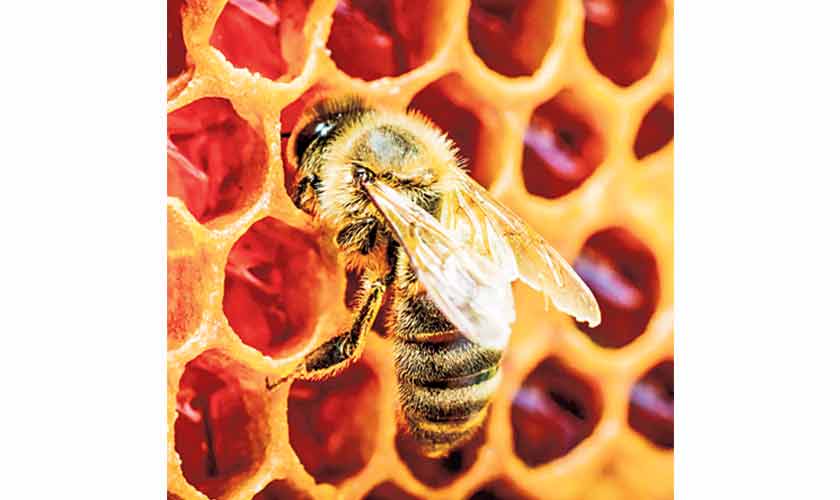
In Pakistan, World Bee Day provides an opportunity to educate the public, highlight the work of local beekeepers and reinforce the need for environmental stewardship. Events such as community workshops, school activities and media campaigns help spread knowledge and inspire people to act responsibly.
Celebrating bees is more than just appreciating honey or flowers; it is about understanding the interconnectedness of life and our responsibility towards the natural world. By planting pollinator-friendly flora, supporting responsible beekeeping, reducing chemical use and spreading awareness, Pakistan can help protect bees and ensure that they continue to support agriculture, biodiversity and ecological balance.
Bees may be small, but their impact on our environment and society is enormous. Recognising their value and taking steps to protect them benefits everyone, securing a healthier, more sustainable future for both people and nature.
The writer is a seasoned journalist and a communications professional. He can be reached at [email protected]