He began his artistic journey at Alhamra with a short acting course, later sharpening his craft in digital web series and short films directed by Sadiq Malik....
US TALK
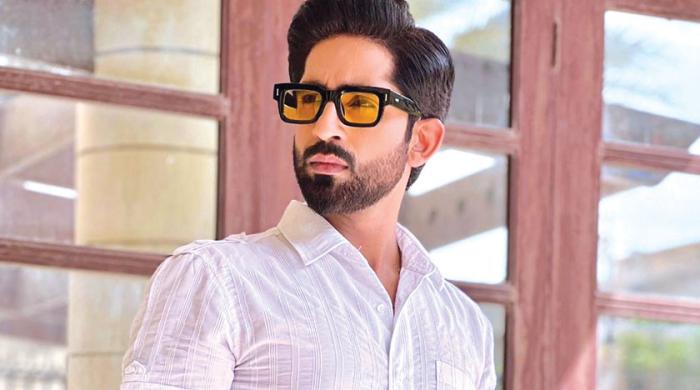
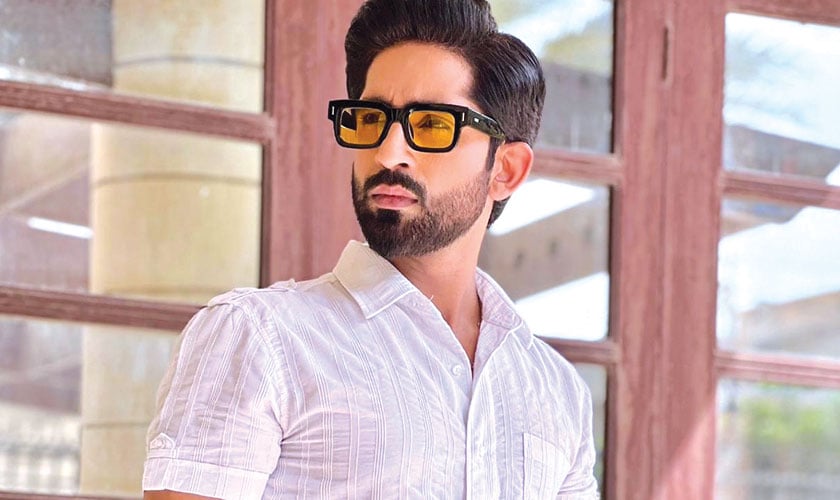
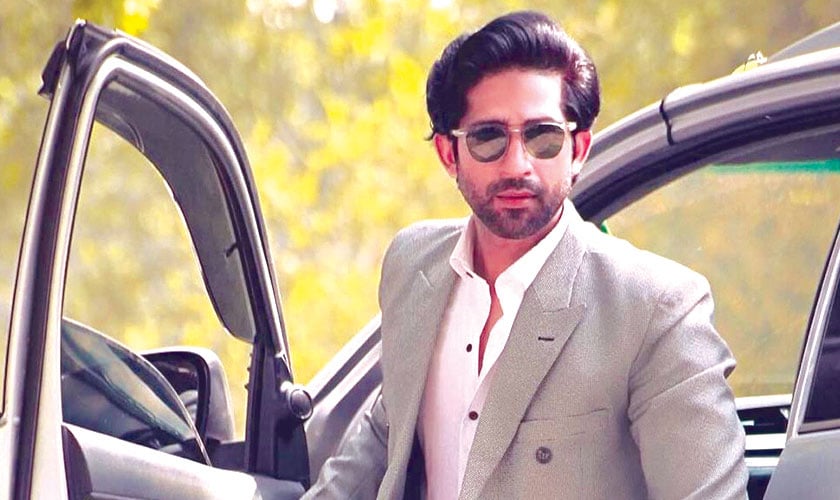
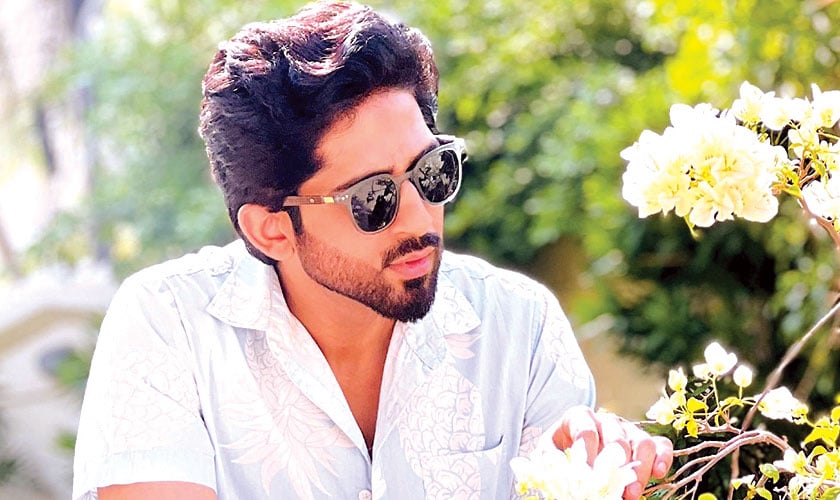
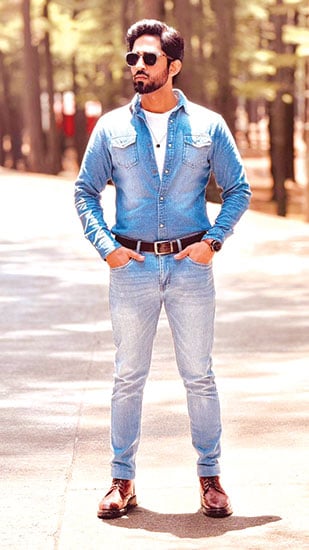
Armed with a graduate degree in computer science and an MPhil in software engineering, emerging actor Mujtaba Sheikh traded a lucrative tech career for the spotlight. He began his artistic journey at Alhamra with a short acting course, later sharpening his craft in digital web series and short films directed by Sadiq Malik.
His transition to television came when theatre classmate Kashif Rafiq offered him a role in a PTV serial. However, his true breakthrough arrived in 2018 when veteran director Kashif Nisar recognised his potential, casting him in a major serial, Inkaar, that brought instant industry recognition and a steady stream of offers.
Mujtaba’s diverse portfolio showcases his range across projects like Dagh-e-Dil, Nijaat, Namak Haram, Oye Motti and Khwabon Mein Mili. Known for fully inhabiting his characters, he seamlessly transformed from the relatable Bhatti in Tanka Laga to the quintessential lover boy Fawad in Kaisa Mera Naseeb. He then pivoted sharply to play the toxic Salman in Manhoos and the stubborn Jalal in Sirf Shabana.
With high anticipation surrounding his upcoming serial Ranjish, Mujtaba has established himself as a versatile actor who delivers with absolute precision.
Us: How did you pivot from software engineering to acting?
Mujtaba Sheikh: It wasn’t an overnight thing. In 2016, I decided to stop “buffering” and actually take the leap. I enrolled in a short acting course at Alhamra Theatre, which really laid the groundwork for me. From there, I cut my teeth on digital media with Sadiq Malik before breaking into the television industry.
Us: Who has been your pillar of support through this transition?
MS: My brother, Umair Shahzad, and Awais Raza have been my absolute rocks. My parents initially had their inhibitions – I mean, I’d spent years grinding for an MPhil, so they naturally wanted me to pursue a stable tech career. But they eventually saw that my heart just wasn’t in the code; it was on the stage.
Us: Fame, money or the glory of success – what motivates you?
MS: Honestly, I’m not out here chasing clout or just trying to secure the bag. My focus is purely on being a quality artist. I believe that if you master your craft and deliver work that resonates, the fame and the fortune will follow automatically as a byproduct. I’m playing the long game.
Us: What was your “I’ve arrived” moment?
MS: Playing Fawad in Kaisa Mera Naseeb. It was a multi-layered, complex character that really let me flex my acting muscles. The audience loved it so much that the writers actually expanded my role and gave me more screen time in the later episodes. That’s when I knew I was on the right track.
Us: How do you deal with imposter syndrome?
MS: Every time I get a script that’s outside my comfort zone, that little voice of doubt creeps in. But I don’t let it paralyse me. I dive deep into the research, study the aesthetics of the character, and learn the variations until I’ve got it down pat. I’m a firm believer that if you’re sincere, nothing is impossible.
Us: Does the nepo baby culture in the industry ever make you want to throw in the towel?
MS: Look, nepotism is a reality in every field, not just ours. A doctor wants their kid to wear the white coat; a bureaucrat wants their child in the office. It’s part of the landscape. But at the end of the day, you can’t fake talent. The audience is the ultimate judge, and no amount of “source” can save you if you can’t act.
Us: When the curtain falls, what’s the one thing that truly lasts in this business?
MS: Glamour is temporary – it fades like a bad tan. But talent stays the course. In this industry, if you’ve got the skills, you’re here to stay. Everything else is just noise.
Us: In 2026, how much does a solid digital footprint actually matter?
MS: Social media is the new CV. The days of carrying a physical portfolio around are over; now, production houses just ask for your Instagram handle. They want to see your growth, your vibe and how you’ve evolved over the years. It’s a direct bridge between the artist and the world. In the careers of new actors, it matters the most for better reach.
Us: With your schedule looking pretty stacked, how do you keep from hitting a total burnout?
MS: I’m a massive fitness freak. For me, the gym is my sanctuary, and a balanced diet is non-negotiable. If you don’t keep your body in “optimum performance mode,” you’ll crash before the director even yells “action.”
My date of birth is
2 February.
The best thing about being a teenager was
The sheer freedom – endless gaming sessions and sports.
The worst thing about being a teenager was
Being constantly micromanaged by elders. The whole “don’t do this, don’t go there” vibe was a total buzzkill.
The artists on my playlist were
A solid mix of Pakistani rock royalty – Junoon and Vital Signs
I always looked up to
I was a hardcore fan of the legends: Sir Qavi Khan, Qazi Wajid and Rahat Kazmi. Those guys are the blueprints for a lasting career.
My favourite subject was
Urdu was my jam; I loved the poetry and the flow.
My least favourite subject was
Chemistry. Let’s just say we had zero chemistry. I couldn’t stand it.
My favourite comfort food was
I try to keep it clean with a balanced, healthy meal, but nothing beats the homecooked vibe.
My favourite film was
3 Idiots. As an engineer, that film hits home every single time!
On set, I disapproved of
Unprofessionalism. I come prepared; I’ve done the homework and the research. When others show up and don’t take the work seriously, it’s a total workflow killer.
The best advice I ever received was
“Never lose your focus.” Whether it’s a line of code or a dramatic monologue, stay locked in.