A few months ago, I met a university graduate in Karachi whose story is painfully familiar....
POLITICS
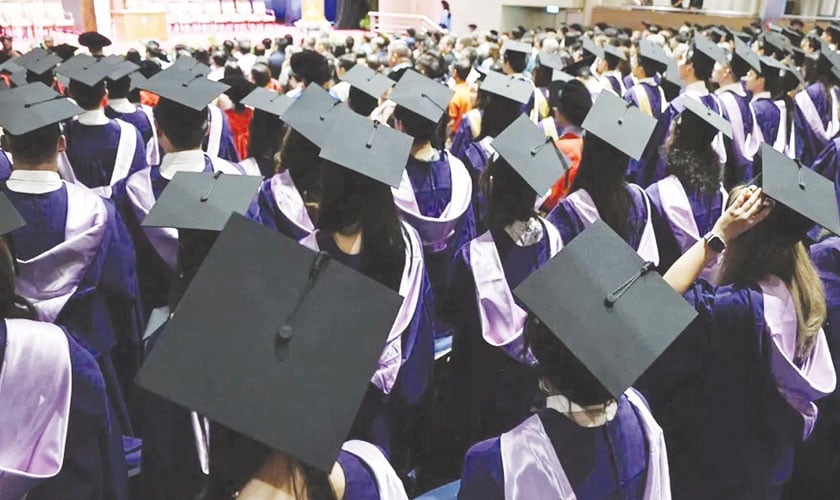
A few months ago, I met a university graduate in Karachi whose story is painfully familiar. He had done everything that modern Pakistani society tells its young people to do. He completed his degree, learned digital skills, followed political developments closely and applied persistently for employment. Years later, he remains unemployed, frustrated and largely invisible to the very system that claims to represent him.
When I asked him how he now viewed politics, he paused for a moment before replying, almost apologetically, “They only remember us when they need numbers.” There was no anger in his voice, no dramatic complaint. It was simply a statement of fact. And it captured, in one sentence, the experience of millions of young Pakistanis who feel politically present yet institutionally absent.
Pakistan’s youth are not disengaged from politics. If anything, they are deeply aware of it. What is disengaged is the political system itself, disconnected from the realities, expectations and aspirations of the largest demographic group in the country. With over 60 per cent of the population under the age of 30, young people should naturally be shaping national priorities, influencing policy and participating meaningfully in decision-making. Instead, they exist mostly on the margins of power.
Young Pakistanis vote. They debate. They organise, campaign and mobilise, particularly online. Yet their participation rarely translates into real influence where decisions are made. Their role often ends at the ballot box, while policymaking remains confined to closed circles dominated by experience, privilege and political inheritance rather than representation.
This condition did not emerge overnight, nor is it accidental. Its roots lie deep within Pakistan’s political history. Repeated disruptions of democratic processes, prolonged periods of authoritarian rule and fragile institutional continuity have produced a governance structure that struggles to evolve. Each transition promises reform and renewal, but the same structural weaknesses persist. Over time, this repetition has conditioned young citizens to expect disappointment rather than delivery.
When a system repeatedly ignores its youth, silence is not apathy; it is exhaustion. Today’s young Pakistanis grow up politically informed but emotionally detached. They understand the language of democracy, including constitutions, elections and representation, but experience little democratic substance in daily life. Representation exists in form, but participation remains symbolic.

Political theorists often describe this as a “representation gap”, where citizens are technically included but practically excluded. For Pakistani youth, this gap defines how politics is perceived: distant, unresponsive and largely self-serving.
Social media has emerged as the primary outlet for this frustration. It is where corruption is questioned, injustices are highlighted and accountability is demanded. In many ways, digital platforms have become an alternative political space, one that allows expression without permission. Yet expression without institutional pathways eventually leads to stagnation. When voices echo online but never reach policy tables, engagement begins to feel performative rather than productive. Digital participation, however vibrant, cannot replace structural reform.
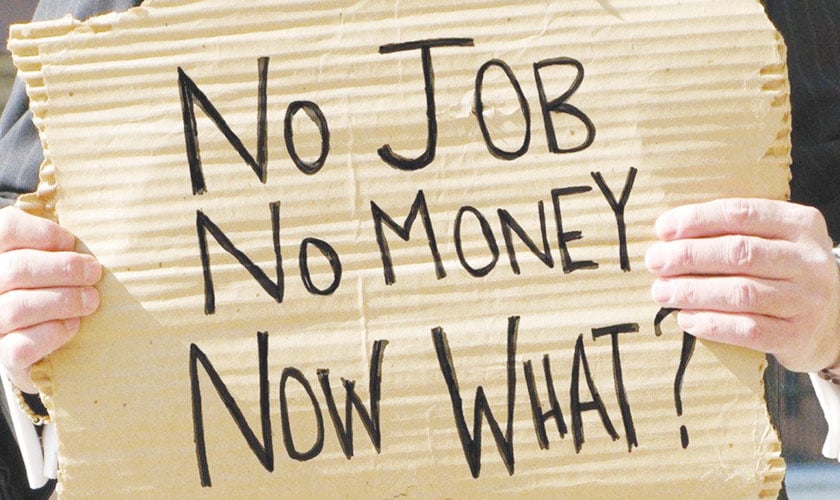
Economic conditions have further deepened this divide. High unemployment, persistent inflation and shrinking opportunities have shifted youth priorities from civic engagement to basic survival. Education no longer guarantees dignity and hard work no longer promises stability. When a political system consistently fails to respond to economic distress, it loses moral authority, especially among those who have invested the most in its promises. A democracy that cannot provide dignity to its youth will eventually lose their trust.

Policy responses aimed at youth inclusion have so far been largely cosmetic. Youth programmes are announced without continuity. Consultations are held without decision-making authority. Advisory councils are formed without real power. These initiatives generate headlines, but not confidence. Pakistani youth are not demanding perfection or instant transformation. They are demanding seriousness, transparency, consistency and follow-through.
What makes the current moment particularly significant is that youth frustration today is informed. Young Pakistanis have unprecedented access to global information, are digitally connected and politically conscious. They compare governance standards, accountability mechanisms and civic freedoms beyond national borders. Their criticism is not rebellion; it is awareness.
History repeatedly shows that societies do not decline when young people question authority; they decline when authority refuses to listen. The real tragedy is that Pakistani youth are not rejecting democracy itself. They are rejecting a hollow version of it, one where participation ends at elections and governance remains inaccessible. They seek inclusion beyond slogans, accountability beyond rhetoric and leadership rooted in principles rather than personalities.
Pakistan now stands at a defining crossroads. It can continue treating youth as a temporary political resource, mobilised during campaigns and forgotten thereafter, or it can recognise them as permanent stakeholders in the nation’s future. Ignoring this generation will not silence it; it will only postpone an inevitable reckoning.
The future of Pakistan will not be decided solely in assemblies, press conferences or drawing rooms. It will be shaped by how sincerely the state responds to the voices waiting outside the system, voices that are patient, informed and increasingly unwilling to remain unheard.