On 28 May 1998, the mountains of Chagai echoed with the sound of “Allahu Akbar,” marking one of the proudest moments in the history of Pakistan....
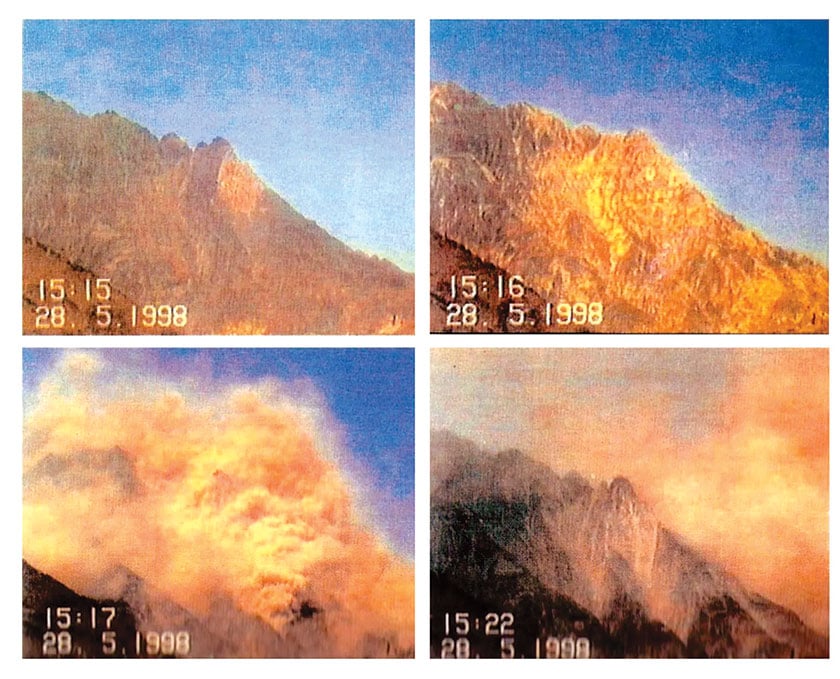
On 28 May 1998, the mountains of Chagai echoed with the sound of “Allahu Akbar,” marking one of the proudest moments in the history of Pakistan. It was a heroic moment and a testimony to the unwavering strength of our people, making ours the first country in the Islamic world and the seventh nation on the globe to earn the title of “nuclear power”. That moment when the nuclear tests were successfully conducted changed the world’s perspective towards Pakistan.
Despite international pressure, Pakistan did what was in the best interest of the security and sovereignty of the country. Now, every year, this day is celebrated as Youm-e-Takbir to commemorate the successful Chagai I and Chagai II series of nuclear tests that were performed in Balochistan. These nuclear tests were done underground to reduce the release of radioactive materials into the atmosphere and prevent radiation exposure among the public. The Ras Koh Mountain in Chagai was chosen by Dr Ishfaq Ahmad, who was the chairman of the Pakistan Atomic Energy Commission, because the granite rock provided the best medium for underground nuclear testing.
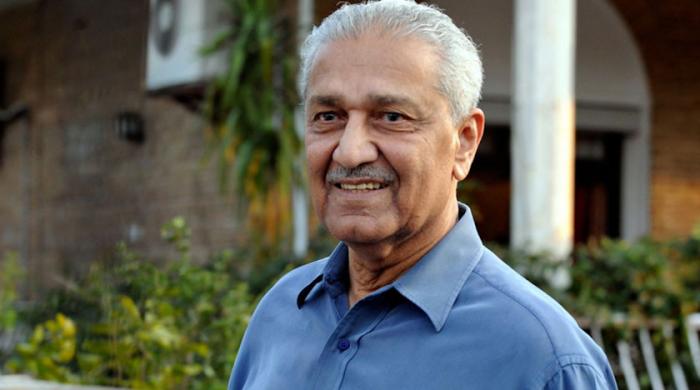
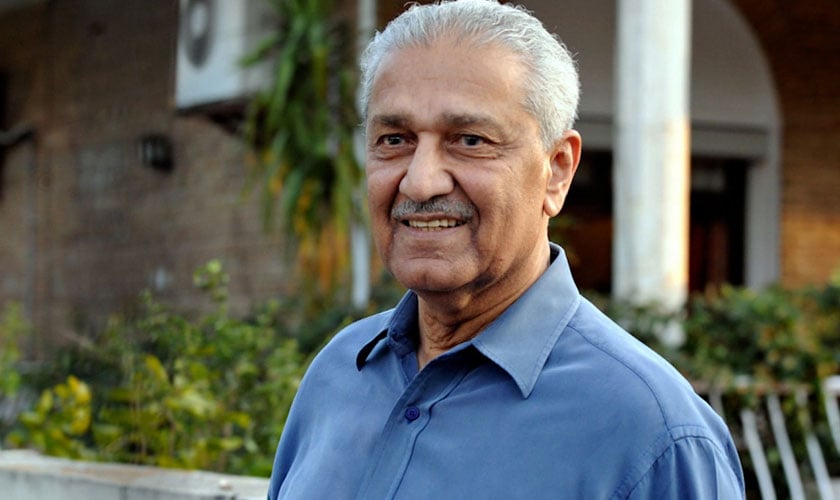
Although the foundation of Pakistan’s nuclear program was laid by Zulfiqar Ali Bhutto in 1974, the nuclear tests were done successfully in 1998 under the leadership of then-Prime Minister Nawaz Sharif who authorised the tests despite international pressure. The tests were led by Dr. Samar Mubarakmand and other scientists. Renowned nuclear physicist Dr Abdul Qadeer Khan, also known as Mohsin-e-Pakistan and considered the "father of Pakistan's atomic weapons program", played a pivotal role in the success of the nuclear tests because of his immense research in uranium enrichment.
Pakistan’s security environment has been deeply shaped by its geography and its long, tense relationship with India since 1947. The two countries have fought multiple wars in the past. That's why Pakistan needed a nuclear program to ensure its safety. The nuclear tests conducted in Chagai were a retaliatory response to India’s earlier nuclear explosions. India conducted its tests on 11 and 13 May 1998 at the Pokhran Test Range in Rajasthan.
Being a nuclear power does not mean the technology is only for making nuclear weapons. Nuclear energy helps make advancements in healthcare research and can also be used to produce carbon-free electricity that does not create greenhouse gases and is therefore ideal for fighting climate change. No doubt Pakistan is playing a leading role in the safe use of nuclear energy for the welfare of humanity. Pakistan currently operates six commercial nuclear power plants at two main sites: Karachi Nuclear Power Complex and Chashma Nuclear Power Plant in Mianwali, Punjab.
Moreover, having the title of a nuclear power is a great responsibility. History shows that whenever nuclear power has been used as a weapon in war or has been involved in industrial negligence, it has caused devastating destruction, claiming millions of lives. Those who survived these catastrophic events suffered from radiation sickness, thermal burns, leukaemia and genetic mutations, leaving an incurable scar on human civilization. The worst nuclear disasters were those of Hiroshima and Nagasaki (1945), caused by war, and the Chernobyl disaster in Ukraine (then Soviet Union), which occurred due to human negligence.
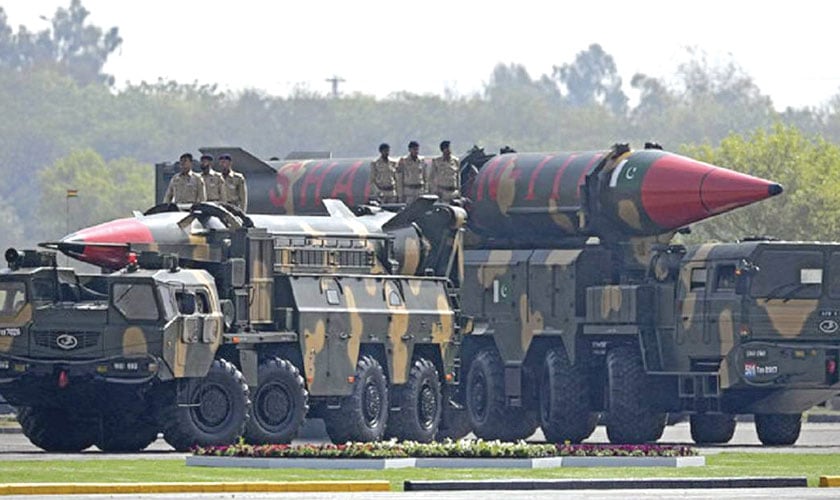
So, on 28th May, we not only celebrate our success as a nuclear power but also celebrate our commitment to always prioritise peace talks despite having every weapon to protect our motherland.
Prime Minister Shehbaz Sharif, addressing the cabinet members on 14 May this year, emphasised that “it is our national narrative that this asset is for defence, not offence. And this is the reason that the world knows Pakistan as a responsible nuclear power.” He further said that “we have to turn it into an economic power with the same commitment and hard work.”
In short, we are immensely grateful for what our scientistic and military have achieved to assure Pakistan’s security and proud of the fact that global peace and regional stability remain our country’s priority.