The Prophet (S.A.W) said, “The Hour (Day of Judgment) will not be established till your wealth increases so much...

BITS ‘N’ PIECES
Narrated Abu Huraira (R.A):
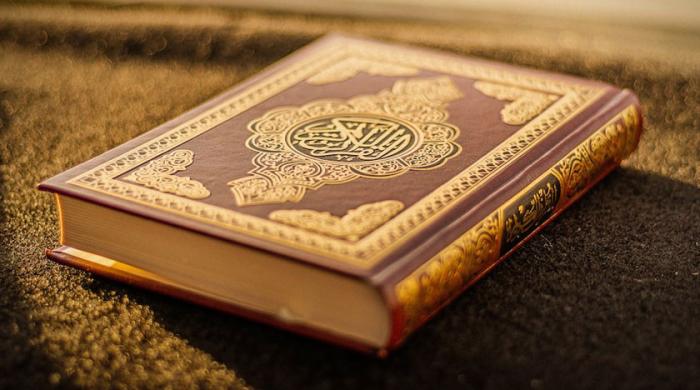
The Prophet (S.A.W) said, “The Hour (Day of Judgment) will not be established till your wealth increases so much so that one will be worried, for no one will accept his Zakat and the person to whom he will give it will reply, ‘I am not in need of it.’”
Sahih Bukhari, Vol. 2, Book 24, Hadith 493
According to World Health Organisation (WHO), 80 percent of Pakistanis don’t have access to safe drinking water.
Water scarcity is a growing global crisis that affects millions of people every day. Although some countries possess adequate water resources, many still face shortages because of poor management, damaged infrastructure, contamination, conflict and the increasing effects of climate change. Water is a finite resource and cannot be replaced, yet it is often wasted or mismanaged. Today, climate change and human activity are making it harder for children and families across the world to access safe drinking water and sanitation facilities.
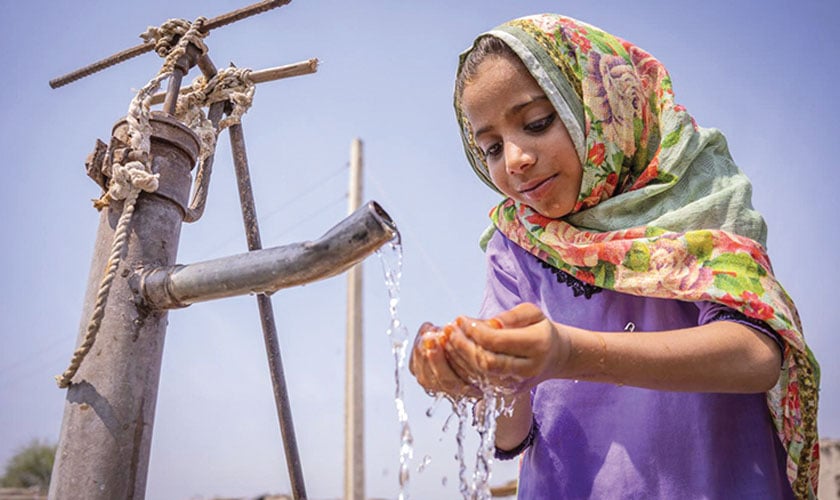
Lack of clean water affects every aspect of life. Families struggle to maintain basic hygiene, schools and hospitals face sanitation problems and diseases such as cholera spread more easily when sewage systems fail. Scarcity also makes water more expensive, placing an extra burden on poor communities.
Women and children suffer the most from water shortages because they are often responsible for collecting water for their households. In many regions, children walk several kilometres daily to fetch water, losing valuable time that could otherwise be spent in school. Girls are particularly affected, as carrying heavy containers over long distances also exposes them to health and safety risks.
Nearly two-thirds of the global population experiences severe water scarcity for at least one month each year, while more than two billion people live in countries with inadequate water supplies. Experts warn that by 2040, one in four children worldwide could be living in areas of extremely high water stress.
Pakistan is among the countries facing serious water scarcity. Rapid population growth, climate change, water pollution and excessive wastage are putting immense pressure on our country’s limited freshwater resources. Urban areas, including major cities, are increasingly experiencing water shortages, especially during the summer months.
Organisations such as UNICEF are working to improve access to safe water through better water management, climate-resilient technologies, rainwater harvesting and awareness campaigns. However, solving this crisis also requires public responsibility.
Urban youth can play an important role in conserving water. Simple habits such as turning off taps while brushing teeth, fixing leaking faucets and using water carefully during washing can save large amounts of water daily. Young people can also spread awareness through schools, universities and social media, encouraging others to value and protect this precious resource. Safeguarding water today is essential for securing the future of coming generations.