Summer vacations still live somewhere deep inside me – warm, golden and fragrant with memory....
HEART TO HEART
Summer vacations still live somewhere deep inside me – warm, golden and fragrant with memory. Even now, I can close my eyes and smell the sweet scent of motiya drifting through the garden at dusk. I can hear the soft clink of teacups, the distant laughter of children running across damp grass and the low murmur of family voices blending into the evening air. Back then, time didn’t feel like something we were losing. It felt like something that belonged to us.
My mother never let summer drift into complete ease. No matter how tempting late mornings felt or how endless the afternoons seemed, Quran lessons and tuition quietly held their place in our routine. At the time, I would sigh at the discipline. Now I understand she was teaching us balance, that joy means little if you never learn responsibility beside it.
But it was the evenings that made everything worth it.
As the sun softened into gold, my mother would sit in the garden with the Quran resting gently in her lap, the pages turning whenever the breeze touched them. My grandmother would arrive slowly, always choosing the same worn wooden chair, as if it remembered her better than we did.
And then, without announcement, teatime would begin.
It was never just tea.

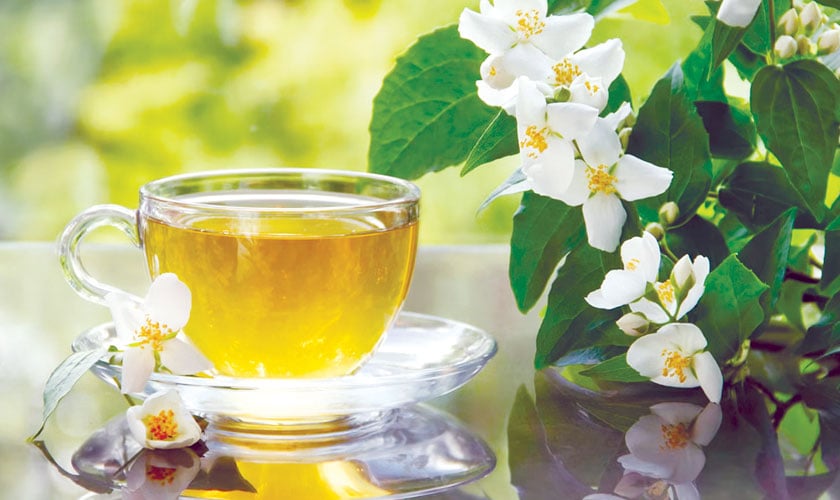
It was comfort poured slowly into delicate cups, as if the world itself had agreed to pause. My mother would bring warm almond tea cake, and the grownups would talk in low voices – about faith, family, people long gone and memories I didn’t yet have the language to understand.
We children stayed close to the roses, chasing butterflies, returning again and again with the same innocent demand: “Ammi … just one more slice.”
Some of my happiest memories live in the afternoons my father took us swimming. The water was always too bright under the sun, and our laughter echoed louder than it should have. We turned everything into competition – who could stay underwater longer, who could jump without fear, who could make the biggest splash and get away with it.
On the drive back, wrapped in tiredness and cold drinks, the world felt safe in a way I didn’t question then.

By the time maghrib arrived, the garden would change its tone. Jasmine would bloom more heavily, as if the air itself had softened. The water pipe would come out, and suddenly we were helping my father wash the car, though most of the water ended up on each other. Laughter filled the space between rose bushes and evening light, until the azan drifted through the neighbourhood and everything slowly settled.
At that time, none of it felt rare.
That is the quiet trick of childhood. It convinces you that everything you love will always return in the same shape. The same garden. The same voices. The same people sitting in the same places, as if nothing could ever change. But years move quietly, even when we are not looking.
Today, life feels faster. Evenings feel shorter. And families, somehow, no longer gather with the same ease around one shared space. The garden still exists in my memory, but it feels slightly farther away each year, like a photograph slowly losing its edges.

And yet, if I close my eyes, I can still see it clearly.
Tea still being poured into familiar cups. Jasmine still heavy in the air. My grandmother still sitting in her wooden chair, waiting for the day to slow down enough to notice her.
Except now, I also see what I couldn’t see then. That nothing was ordinary. Not the silence. Not the laughter. Not even the way evening used to arrive like it had time for us.
Perhaps the real magic was never in summer itself. Perhaps it was in the people who made time feel like home.