One of the biggest misconceptions surrounding vaping is that it is “just water vapour”....

HEALTHWISE
It looks harmless at first glance – sleek devices, sweet flavours like pineapple, berry and mint and a soft cloud that feels more “aesthetic” than dangerous. But behind that image, vaping is far from “just water vapour”. Every puff is actually an aerosol containing nicotine, flavouring chemicals and sometimes traces of heavy metals such as lead and nickel. These substances are not simply exhaled back into the atmosphere; rather harmful compounds enter the mouth, lungs and bloodstream, forming friendships that are far from friendly to the human body.
One of the biggest misconceptions surrounding vaping is that it is “just water vapour”. In reality, this vapour is a chemical mixture formed when e-liquids are heated at high temperatures. This process generates toxic compounds such as formaldehyde, acetaldehyde and acrolein, many of which are known to irritate tissues, damage cells and contribute to long-term health risks.
Nicotine, often present in high concentrations, is not only addictive, it also affects your heart and central nervous system, acutely increasing heart rate and blood pressure, and produces a hypercoagulable state in the blood, meaning the blood becomes more prone to clotting. Over time, this increases the risk of thrombotic events, such as myocardial infarction (heart attack) and stroke, particularly in individuals with other risk factors. Chronic exposure to nicotine is also associated with structural and functional changes in the heart, including arterial stiffness and formation of atherosclerotic plaques – potent contributors to hypertension (high blood pressure) and cardiovascular disease.
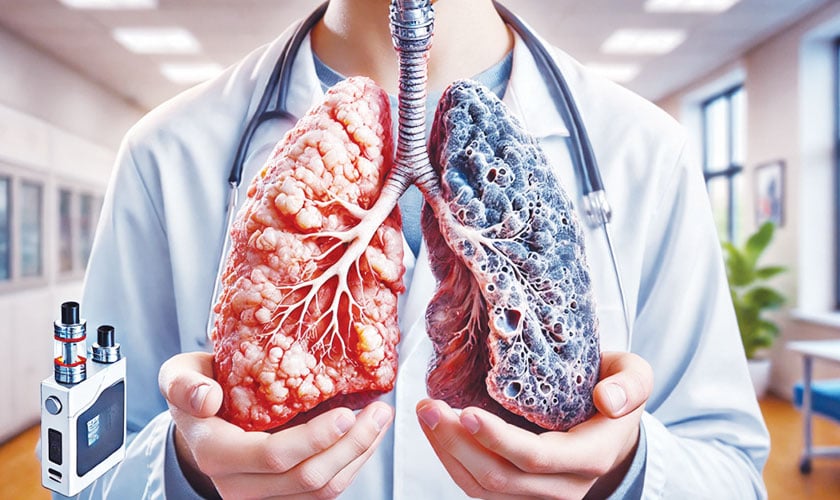
Vaping can also irritate the respiratory system because the inhaled aerosol comes into direct contact with the airways and lung tissue. One of the earliest effects manifests as airway irritation and inflammation caused by chemicals present in the aerosol, leading to symptoms like coughing, throat irritation and increased mucus production. Over time, persistent inflammation contributes to chronic irritation, often seen in obstructive respiratory conditions like bronchitis (inflamed, mucus-filled airways) and emphysema (damaged air sacs). Furthermore, vaping reduces the efficacy of the mucociliary clearance system, which is the lungs’ natural defence mechanism for removing dust, pathogens and foreign debris. As a result, it becomes harder for the respiratory tract to clear harmful particles, increasing susceptibility to respiratory infections and prolonging recovery from common illnesses such as the flu.
In some cases, vaping has also been associated with acute lung injury, including e-cigarette or vaping-associated lung injury (EVALI). This condition has been linked to exposure to certain additives and contaminants in vaping products and can present with symptoms such as shortness of breath, chest pain, cough, fever and, in severe cases, respiratory failure.
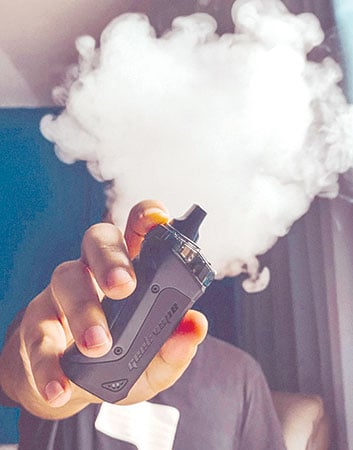
These effects are not just limited to the body’s internal organs – the mouth is one of the first places to exhibit unwanted changes. Vaping reduces salivary flow, leading to a dry mouth, which weakens the body’s initial natural defence against bacteria and creates an environment more inviting to cavities and bad breath (halitosis). As this protective barrier diminishes, bacteria can more freely contribute to gum diseases, leading to symptoms such as redness, swelling and bleeding of the gums. Vaping is also associated with delayed wound healing in the oral cavity due to nicotine’s effects on collagen synthesis and blood clotting mechanisms. Therefore, even after routine dental procedures such as extractions or scaling, recovery may be slower than expected.
Although vaping is marketed as a safer alternative to smoking, the comparison can be misleading. Yes, it may expose an individual to fewer toxic substances than traditional cigarettes, but less harmful does not mean harmless. The biggest concern is not only the immediate effects but also the long-term risk of chronic disease and the rapid development of nicotine dependence.
Vaping is not just a trendy habit or flavoured vapour – it is a nicotine delivery system wrapped in modern design. What feels like a small, harmless puff is actually complex exposure to chemicals that can affect your mouth, heart, lungs and long-term health. The real issue is not just what vaping looks like but what it quietly does inside the body over time.