The Prophet (S.A.W) said, “Whoever takes the money of the people with the intention of repaying it...

BITS ‘N’ PIECES
Narrated by Abu Huraira (R.A)
The Prophet (S.A.W) said, “Whoever takes the money of the people with the intention of repaying it, Allah will repay it on his behalf, and whoever takes it in order to spoil it, then Allah will spoil him.
Sahih Bukhari, Volume 3, Book 41, Number 572
One of history’s earliest rulers may have begun life not as royalty, but as an ordinary tavern keeper.
In ancient Mesopotamia, a woman named Kubaba achieved something extraordinary by rising from common origins to become ruler of the city of Kish. To understand why Kubaba’s story is so remarkable, we first need to understand the Sumerian idea of kingship. In ancient Sumer, kingship was not viewed as something humans created for themselves. The Sumerians believed that kingship was a sacred institution granted by the gods. According to their traditions, after the beginning of civilisation ‘kingship descended from heaven’. Rulers were therefore seen not merely as political leaders but as figures chosen by divine powers to maintain order and stability.
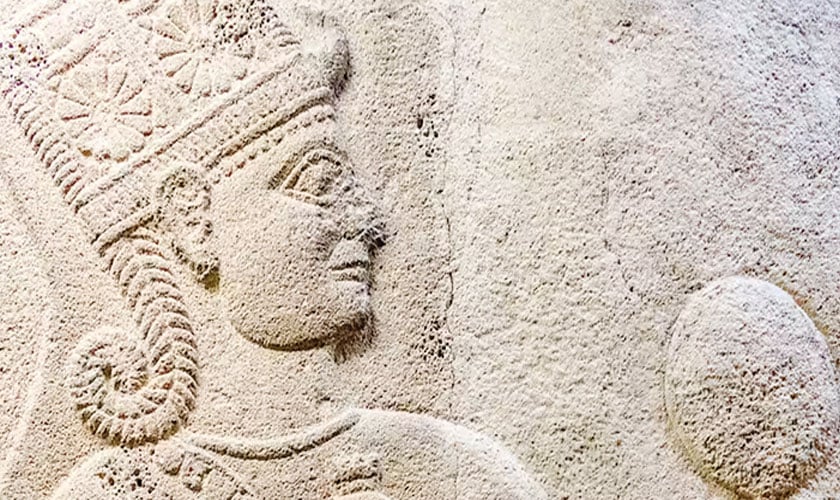
An important feature of Sumerian kingship was that it was thought to move from one city to another. Rather than one dynasty ruling permanently, divine favour could shift. When one city lost power or suffered defeat, kingship could pass elsewhere. This idea appears in the famous Sumerian King List, an ancient text recording rulers and dynasties. The list often describes kingship as being “taken” or transferred between cities.
This is where Kubaba enters the story. She appears in the Sumerian King List as a remarkable exception. The text identifies her not as a queen by birth but as a tavern keeper. In Mesopotamian society, taverns held social and economic importance and tavern keepers could possess influence, but this was still far removed from royal status.
The King List states that Kubaba “took Kish” and ruled for one hundred years, although ancient records often exaggerated reign lengths. The phrase “took Kish” suggests that she gained political control of the city rather than inheriting power through traditional dynastic succession.

Her rise stands out because Sumerian kingship was overwhelmingly male and tied to ideas of divine authority and inherited legitimacy. Kubaba’s appearance in the historical record suggests that unusual political circumstances may have allowed a person of non-royal background to rise to power. Whether through skill, influence or political upheaval, she achieved what few others could.
Kubaba’s story did not disappear after her reign. Later traditions remembered her and over time she even became associated with divine status in some cultures. Her journey from commoner to ruler reminds us that history can sometimes surprise us. Even in ancient societies with strict ideas about power and authority, extraordinary individuals occasionally rewrote the rules.