What sets AI apart from earlier inventions is not just its function, but its ability to learn....
SCI-TECH
Not all revolutions arrive with noise and spectacle. Some slip into our lives so gently that we hardly notice them until everything has changed. Artificial Intelligence, or AI, is one such revolution. It does not belong to a single field or profession, nor does it announce itself loudly. Instead, it moves steadily, reshaping the way we live, think and interact with the world around us.
A few years ago, the idea of machines understanding human language, recognising faces or creating art seemed almost unbelievable. Today, these things are becoming part of everyday life. We unlock our phones with a glance, receive suggestions that feel surprisingly accurate and interact with systems that seem to respond in a human-like way. Yet, despite its growing presence, AI is still something we are learning to understand.
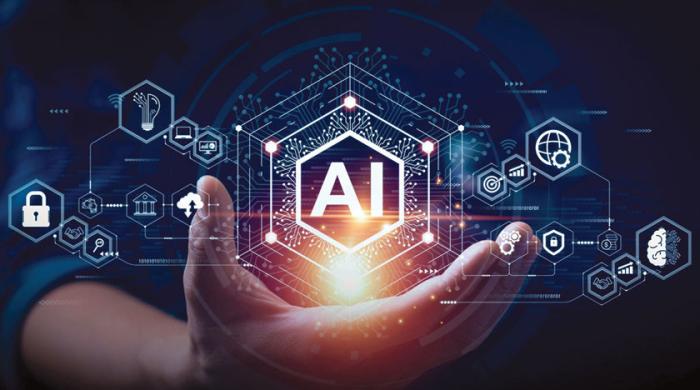
What sets AI apart from earlier inventions is not just its function, but its ability to learn. Traditional machines perform tasks exactly as they are programmed. AI, however, improves through experience. It studies patterns, adjusts its responses and evolves over time. This makes it less predictable, but also more powerful. It is not simply a tool; it is a system that changes with use.
One of the most interesting effects of AI can be seen in the world of creativity. Writing, art and music have always been seen as deeply human expressions. Now, AI is entering these spaces, offering ideas, assisting in creation and sometimes even producing complete works. While some people worry that this may reduce human originality, others see it as a new form of collaboration. Instead of replacing creativity, AI can push it in new directions, helping people explore ideas they might not have considered on their own.
At the same time, this shift brings certain concerns. As machines begin to perform tasks that once required human thinking, questions naturally arise. Are we becoming too dependent on technology? Will important skills be lost over time? These are not simple questions, and they do not have easy answers. However, they remind us that progress always comes with responsibility.
Another important change is how AI influences our daily choices. Much of what we see online – news, videos, recommendations – is guided by intelligent systems. These systems are designed to make life easier, but they also shape our preferences and opinions in subtle ways. This makes it important for individuals to remain aware and thoughtful, rather than relying completely on automated suggestions.
Despite these challenges, the potential of AI is undeniable. It can save time, reduce effort, and make complex tasks more manageable. It also opens doors to innovation in ways we are only beginning to explore. More importantly, it encourages us to rethink what intelligence means and how humans and machines can work together.
In many ways, AI reflects human input. It is created, trained and guided by people. This means its future will depend on the choices we make today. If used wisely, it can support growth and creativity. If used carelessly, it can create new problems.
Artificial Intelligence is not a finished invention; it is still evolving. It is shaping the present while quietly building the future. And perhaps that is what makes it truly remarkable – it is not just changing the world but doing so in a way that invites us to think, adapt and grow along with it.