And he used to prolong the first rak’a of the fajr prayer and shorten the second...

BITS ‘N’ PIECES
Narrated Abdullah bin Abi Qatada (R.A)
My father said, “The Prophet (S.A.W) in zuhr prayers used to recite Al-Fatiha along with two other suras in the first two rakat: a long one in the first rak’a and a shorter (sura) in the second, and at times the verses were audible. In the asr prayer the Prophet used to recite Al-Fatiha and two more suras in the first two rakat and used to prolong the first rak’a. And he used to prolong the first rak’a of the fajr prayer and shorten the second.”
Sahih Bukhari, Volume 1, Book 12, Number 726
Submarines can stay underwater for months without surfacing.
Submarines are among the most fascinating machines ever built, designed to operate beneath the surface of the sea for extended periods. Unlike ordinary ships, which float on water, submarines are capable of diving, navigating and resurfacing using a carefully controlled system of buoyancy. This is achieved through ballast tanks that can be filled with water to make the vessel sink or filled with air to bring it back to the surface.
The earliest concepts of submarines date back to the 17th century, but it was not until the 20th century that they became a significant part of naval power. Modern submarines are highly advanced and fall into two main categories: diesel-electric and nuclear-powered. Diesel-electric submarines must surface or use a snorkel to access oxygen for their engines, whereas nuclear submarines can remain submerged for months, as they are powered by nuclear reactors that do not require air.
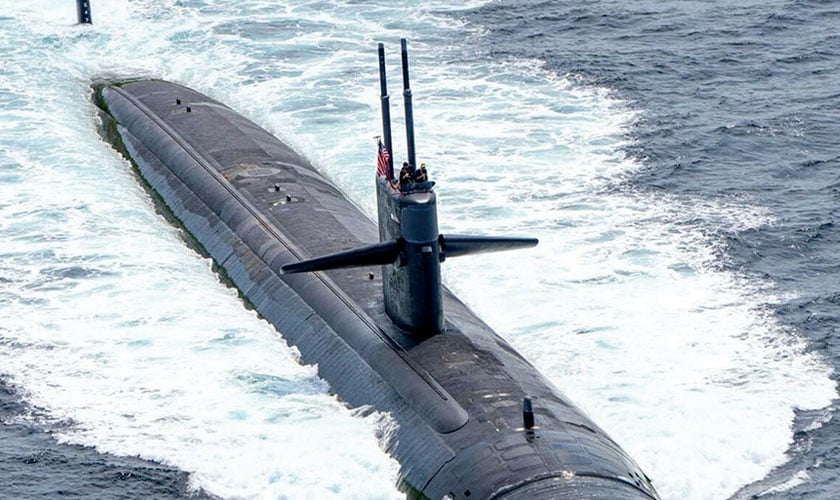
Life inside a submarine is both challenging and highly disciplined. Space is extremely limited, and crew members must share tight quarters while working in shifts around the clock. Fresh air, clean water and temperature are all carefully regulated. Oxygen is generated through chemical processes, and carbon dioxide is removed to maintain a breathable environment. Despite the confined conditions, submariners are trained to adapt and function efficiently in this unique setting.
Submarines serve a variety of purposes, including defence, reconnaissance and scientific research. Military submarines are often equipped with torpedoes and missiles, making them a powerful yet stealthy presence beneath the waves. Their ability to remain undetected gives them a strategic advantage. On the other hand, research submarines explore the deep ocean, helping scientists study marine life, underwater geology and even shipwrecks that lie thousands of metres below the surface.
One of the most remarkable features of submarines is their ability to withstand immense pressure in deep waters. Their hulls are specially designed using strong materials and a cylindrical shape to distribute pressure evenly. This allows them to dive to depths that would crush ordinary vessels.
In essence, submarines represent a blend of engineering brilliance and human endurance. They continue to play a crucial role in both defence and exploration, unlocking the mysteries of the ocean while demonstrating how far human innovation can go beneath the surface.