Allah’s Apostle (S.A.W) said, “There is none amongst the Muslims who plants a tree or sows seeds...

BITS ‘N’ PIECES
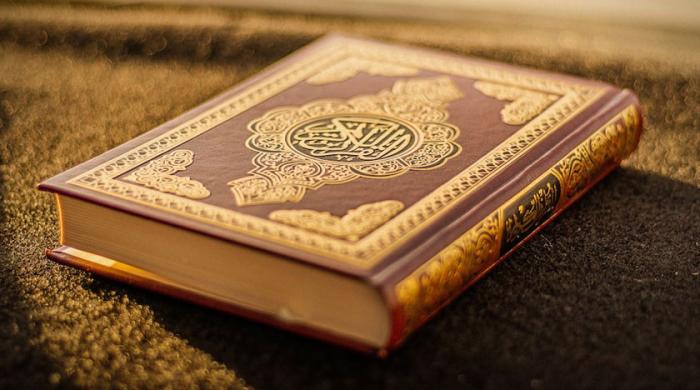
Narrated Anas bin Malik (R.A):
Allah’s Apostle (S.A.W) said, “There is none amongst the Muslims who plants a tree or sows seeds, and then a bird, or a person or an animal eats from it, but is regarded as a charitable gift for him.”
Sahih Bukhari, Volume 3, Book 39, Number 513
Some of the gates of Lahore were demolished by the British partly to weaken the city’s defences and partly to facilitate urban expansion and easier access.
The Walled City of Lahore, often called Androon-e-Shehar, is a living reminder of the city’s rich past. Flourishing under the Mughals, especially during Emperor Akbar’s reign in the late sixteenth century, the city was enclosed by a nine-metre-high brick wall with thirteen grand gates. These gates served as both protection and passage, closing at sunset to guard against intruders while opening by day to welcome traders, travellers and residents.
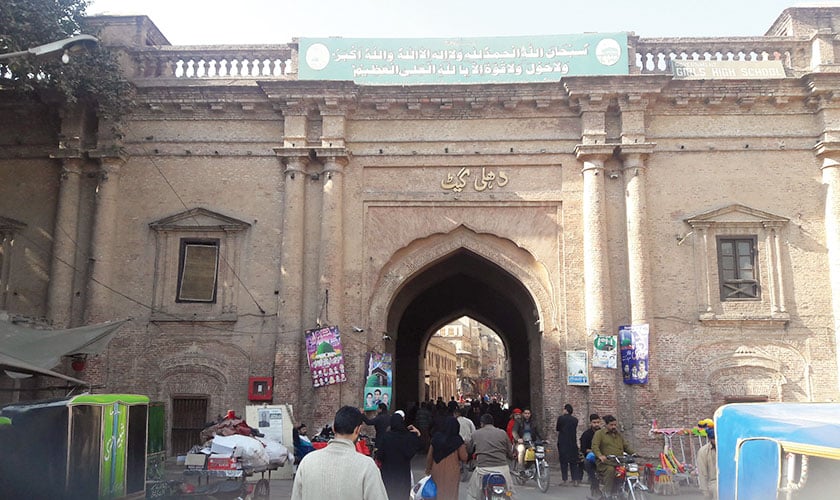
The gates were not merely defensive structures but symbols of Lahore’s architectural and cultural splendour. Built during the Mughal era and later restored under Maharaja Ranjit Singh, they stood as proud markers of the city’s importance. Although most were demolished during British rule, their names and stories still echo through history. The names of the 13 gates are Delhi Gate, Lahori (or Lohari) Gate, Bhatti Gate, Kashmiri Gate, Roshnai Gate, Mochi Gate, Shah-Alam Gate, Akbari Gate, Masti Gate, Yakki (Zakki) Gate, Mori Gate, Texali Gate and Sheranwala (Khiziri) Gate.
Among these, Delhi Gate was once the busiest, opening towards Delhi and leading into a vibrant network of bazaars and landmarks such as the Shahi Hammam and Wazir Khan Mosque. Lahori Gate, one of the oldest, served as a major route for travellers and remains famous for its lively food streets and traditional cuisine. Bhatti Gate is known for its cultural and literary heritage, having been home to scholars and poets, while Kashmiri Gate connects to bustling bazaars and narrow lanes filled with commercial activity.
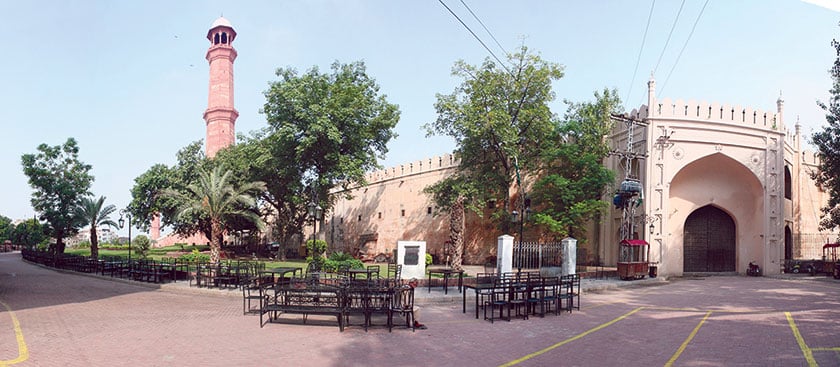
Roshnai Gate, the ‘Gate of Lights’, is perhaps the best preserved. It once linked the Lahore Fort with the city and was illuminated at night for royal processions, giving it its name. Mochi Gate is associated with political gatherings and lively markets, while Shah-Alam Gate, though destroyed during the Partition riots, remains a major commercial hub. Akbari Gate was linked to the famous grain market, and Masti Gate stood close to important Mughal-era structures.
The smaller Mori Gate served as a passage when the main gates were closed, while Texali Gate was named after the nearby royal mint. Yakki Gate carries a legend of a martyr saint, and Sheranwala Gate earned its name from the lions once kept there during Sikh rule.
Together, these gates are far more than entry points. They are enduring symbols of Lahore’s resilience, history and timeless spirit.