The ongoing tensions between Iran and Israel may appear geographically distant from Pakistan...
GEOPOLITICS
The ongoing tensions between Iran and Israel may appear geographically distant from Pakistan, but their consequences are already unfolding within Pakistan’s economic and social fabric. In an interconnected global system, conflict in one region quickly transmits through energy markets, trade routes and financial systems, making this crisis a direct domestic concern rather than a distant geopolitical event.
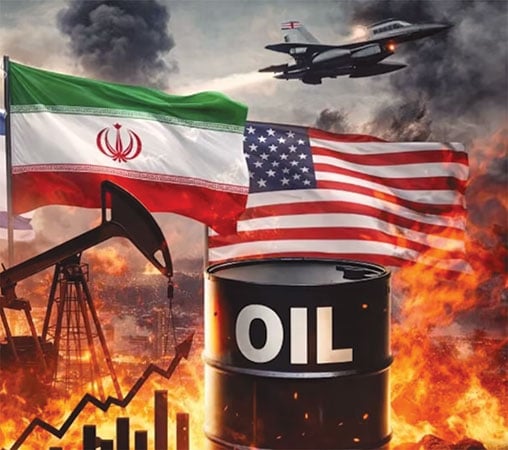
One of the most immediate effects is the surge in global oil prices. The Strait of Hormuz is one of the world’s most critical energy chokepoints, carrying nearly one-fifth of global oil supplies. This makes it extremely vulnerable to geopolitical tensions. According to widely reported data by organisations including Reuters, even the threat of disruption can create volatility in oil markets. For Pakistan, which relies heavily on imported fuel, this translates directly into higher petrol and electricity prices, increasing inflation and placing a disproportionate burden on low-income households.
Beyond price hikes, the risk of fuel shortages presents a more severe challenge. If supply routes are disrupted, Pakistan could face limited access to essential energy resources. This would affect electricity generation, as many power plants depend on imported fuel, potentially leading to prolonged power outages. Such disruptions would not only affect daily life but also slow industrial production and economic growth. Increased import costs would further strain foreign exchange reserves, weaken the national currency and deepen financial instability.
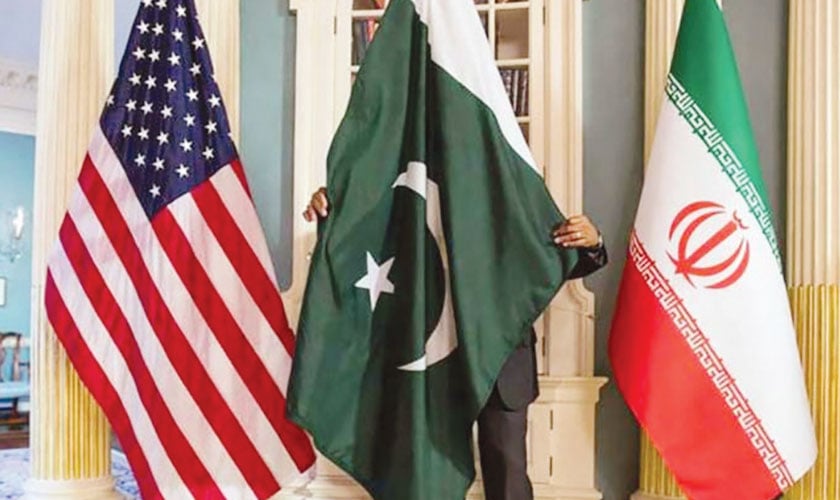
The political implications are equally significant. Economic hardship often fuels public dissatisfaction, increasing pressure on governments to respond effectively. At the same time, Pakistan must navigate a delicate diplomatic landscape, balancing its relationships amid shifting global alliances. The involvement of major powers such as the United States and China adds further complexity, requiring careful foreign policy decisions to safeguard national interests.
Another overlooked dimension is the impact on remittances from Pakistani workers in Gulf countries. These inflows are a critical source of foreign exchange. Regional instability could disrupt labour markets, potentially reducing remittance flows and adding further economic pressure. Simultaneously, the conflict highlights the evolving nature of warfare, where cyberattacks and digital disruptions play a central role. For Pakistan, this raises concerns about vulnerabilities in financial systems, energy infrastructure and communication networks.

Social sectors are also at risk. Rising fuel costs increase transportation expenses, making access to education more difficult for many students. In the case of severe energy shortages, institutions have shifted to online learning, which remains inaccessible to large segments of the population due to digital inequality. Similarly, the healthcare system, already under strain, could face disruptions, as hospitals depend on fuel for generators and supply chains.
In essence, the Iran–Israel conflict demonstrates how modern crises transcend borders. For Pakistan, it is a test of economic resilience, policy planning and strategic foresight. Without proactive measures to strengthen energy security, economic stability and technological capacity, external shocks like this can quickly evolve into internal crises.