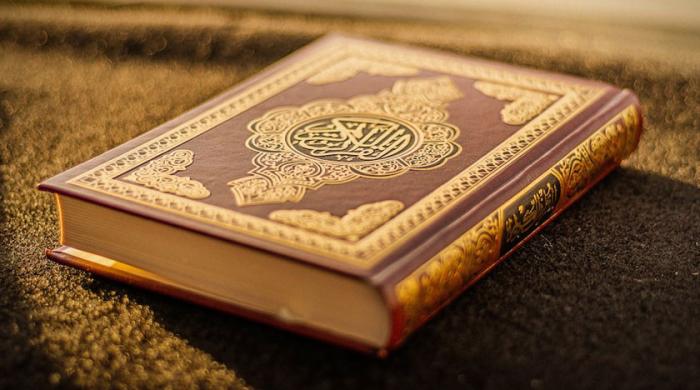
Sahih Bukhari, Volume 3, Book 31, Number 173...

BITS ‘N’ PIECES
Narrated by Aisha (R.A)
Allah’s Apostle (S.A.W) said, “Whoever died and he ought to have fasted (the missed days of Ramadan) then his guardians must fast on his behalf.”
Sahih Bukhari, Volume 3, Book 31, Number 173
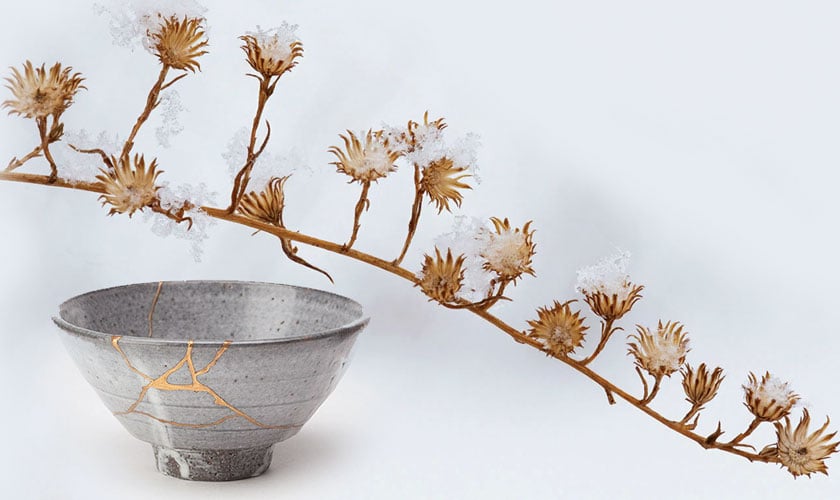
The wabi-sabi Japanese aesthetics centre on the acceptance of imperfection.
Have you ever noticed how a cracked mug, an old wooden desk, or a faded photograph can feel more special than something brand new? That feeling connects to a Japanese philosophy called wabi-sabi.
Where did it come from?
Wabi-sabi grew from Japanese culture over centuries and is closely linked to Zen Buddhism. It became especially visible in the Japanese tea ceremony, where handmade bowls with uneven shapes and small cracks were preferred over perfectly polished ones. The idea was simple: real beauty feels natural, not manufactured. It reminds us that nothing lasts forever, nothing is finished, and nothing is flawless — and that’s okay.
The word itself combines two ideas:
• Wabi originally referred to simplicity and quiet living.
• Sabi relates to the beauty that comes with age, like rust on metal, worn leather, or weathered wood.
Together, they describe an appreciation for things that show time, wear, and authenticity.
What does wabi-sabi look like?
It can be:
• A chipped ceramic cup that you still love using.
• A handwritten notebook filled with messy thoughts.
• An old hoodie that feels more comfortable than any new one.
• Autumn leaves changing color before they fall.
In Japan, there is even an art form called kintsugi, where broken pottery is repaired using lacquer mixed with gold. Instead of hiding cracks, the repair is highlighted. The message? Breaks and repairs are part of the story.
Why does it matter today?
We live in a world that pushes perfect selfies, flawless skin, and carefully filtered lives. Wabi-sabi offers a different mindset. It says: growth is messy. Life changes. Mistakes happen. And that’s not failure — that’s being human!
This philosophy can also reduce pressure. Your room doesn’t have to look like a Pinterest board. Your art doesn’t have to be flawless. Your journey doesn’t have to be straight.
That does not mean wabi-sabi is about giving up on improvement. It is about accepting reality as it is. It teaches you to slow down, notice small details, and appreciate the beauty in things that are natural, worn, and real.
So the next time something cracks, fades, or feels unfinished, pause before throwing it away. It might be carrying its own kind of beauty.