We are already in the second week of Ramazan, and it feels as though our ‘guest’ – the blessed month...

COVER STORY
We are already in the second week of Ramazan, and it feels as though our ‘guest’ – the blessed month - is preparing to depart for another year. So let us strive to gain as many blessings as we can in the brief period we still have, and make our fasts a meaningful time to pause, reflect, and perhaps set goals that extend beyond the month itself. Of course, putting these lessons into practice after Ramazan is easier said than done, but as the saying goes, where there is life, there is hope.
It’s common to feel energetic and motivated in the first few days of fasting. But by the end of the first week, many of us start feeling lethargic. A big reason for this is our eating habits. There’s a tendency to think, “Ramazan comes only once a year, so let’s enjoy every treat,” which often leads to overindulgence. While it’s perfectly fine to savour the special flavours of Ramazan, moderation is essential. Overeating or consuming too many rich, oily foods can make fasting harder, rather than easier. Equally important is not skipping sehri – this is part of the sunnah and provides the energy needed to maintain strength throughout the day. A proper sehri can even help prevent headaches and fatigue.
Some people tend to rush sehri because by the time they wake up, sehri time is almost over and as a result, some gobble up whatever they can while others make do with a glass of milk. If you do that, no wonder you start feeling fatigued even before midday. Here are some practical tips for a balanced, energising sehri to keep you going throughout your fast in fine fettle.
‘It’s the early bird that catches the worm’ is not without reason. Getting up well before fajr allows you to eat slowly, chew properly, and hydrate. Rushing through sehri can lead to indigestion, bloating, and fatigue later. So make sure that you have a balanced meal with protein, fibre, and water-rich foods. Chewing slowly also improves digestion and helps you feel full longer.
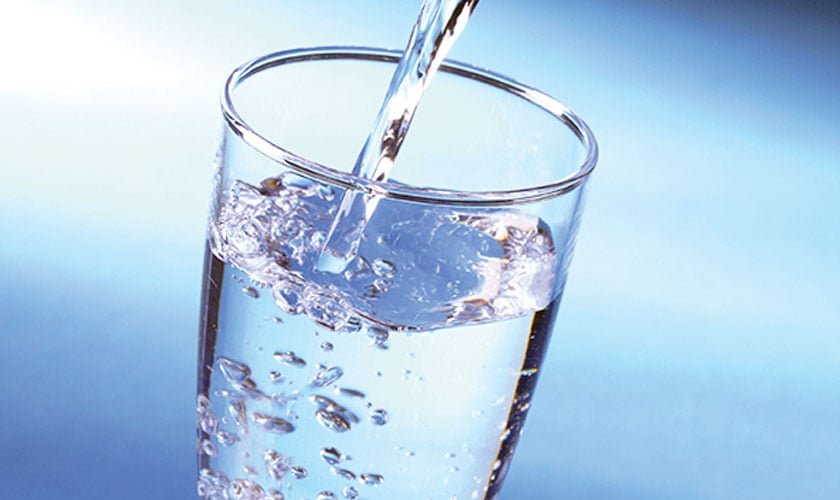
Hydration is crucial, so start drinking the moment you get up for sehri. Avoid sugary drinks or sodas as they give a temporary energy spike but increase thirst. Sip water gradually rather than gulping it at once to ensure your body absorbs it properly.
Yogurt is packed with protein and probiotics for healthy digestion, so try to drink a glass of namkeen (unsweetened) lassi. It is a sure shot way to beat the thirst as it keeps you hydrated for a long time. Nuts are nature’s powerhouse and provide good fats and sustained energy. Mix chopped almonds, walnuts, or pistachios into yogurt, or have a small handful on the side. This combination keeps you full, prevents mid-day energy slumps, and nourishes your brain and muscles.
Eggs, cheese, lentils, or legumes are excellent sources of protein. If whole eggs make you thirsty, opt for an omelette with mostly egg whites, and pair it with unsweetened lassi or milk. Protein helps maintain muscle strength and keeps you full for longer, which is especially useful during long fasts.
If you don’t want to put on weight, go for cereals. Cereals like desi daliya, oats, or whole-grain porridge release energy slowly and prevent sudden hunger pangs. Add honey, dried fruit, or fresh fruit for extra nutrients and taste. Avoid processed cereals high in sugar, as they cause energy crashes later in the day.
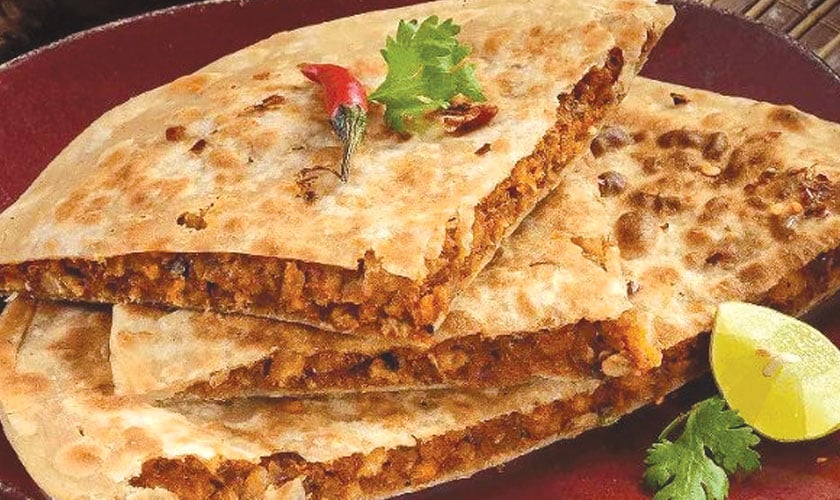
Red meat is rich in iron and protein, but overeating can increase thirst. Balance meat portions with lentils, rice, or vegetables to slow digestion. Lean cuts or meat cooked with vegetables help provide energy without dehydrating the body. Qeema paratha, anyone? It’s probably the tastiest sehri. Go for it once in a while because paratha can make you feel a bit heavy!
Many people take tea the moment they get up for sehri. Some claim that if they don’t drink tea, they get headache during the fast. Well, tea and coffee are diuretics and can dehydrate you, especially when consumed at sehri. Reduce intake gradually or replace with herbal teas or milk. Staying hydrated and cutting caffeine prevents headaches and fatigue later in the day.
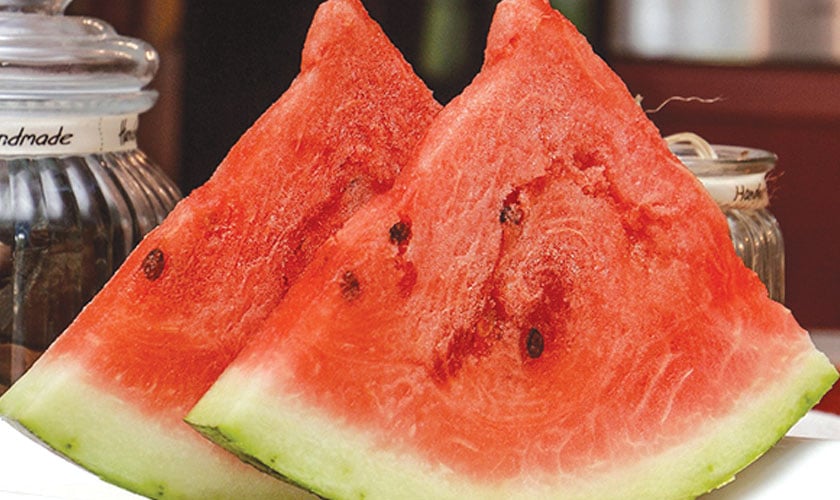
It does not sound exciting at all, but fruit and vegetables should be a part of sehri. Fruits like watermelon, muskmelon, and oranges help maintain hydration naturally. Vegetables such as spinach, tomatoes, and zucchini also provide essential vitamins, fibre, and minerals. Pairing them with protein improves nutrient absorption and boosts energy.

Salty or spicy foods increase thirst and can cause heartburn. Eating sehri at restaurants is a popular fad, but think about the heartburn when planning on going for nehari for sehri! Instead, eat healthy food with herbs like coriander, mint, or turmeric. Mild seasoning helps your body retain water and reduces discomfort while fasting.
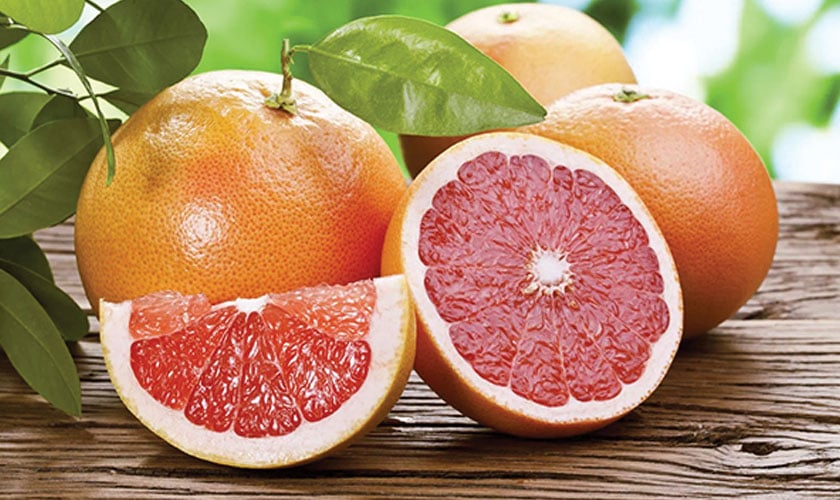
Whole grains, leafy greens, beans, and dried fruits slow digestion, provide sustained energy, and prevent constipation. Fibre keeps you full longer, while iron supports stamina. Pair iron-rich foods with vitamin C (like citrus fruit) for better absorption.
Avoid overeating in one sitting. Divide your sehri into smaller portions: main meal, light snack, and water intake. This prevents bloating and keeps you energised throughout the day. But that is only possible if you get up early for sehri!
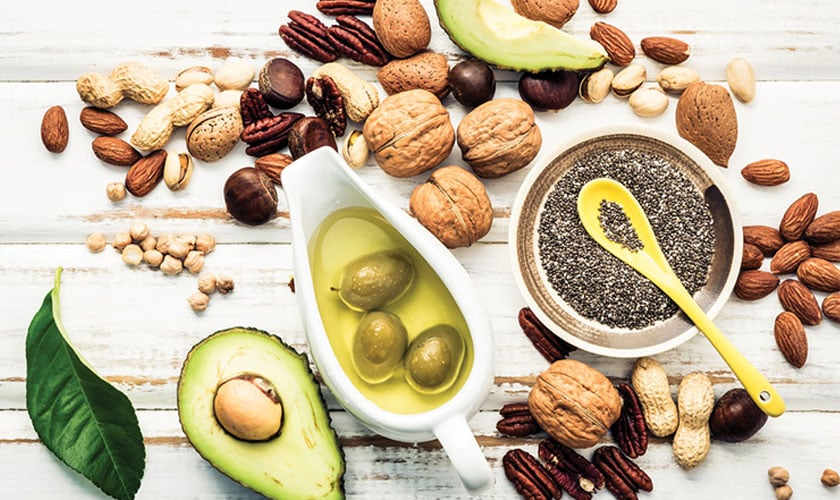
Healthy fats from olive oil, nuts, or seeds release energy gradually. They also help maintain satiety and reduce hunger pangs without dehydrating you like fried foods do.
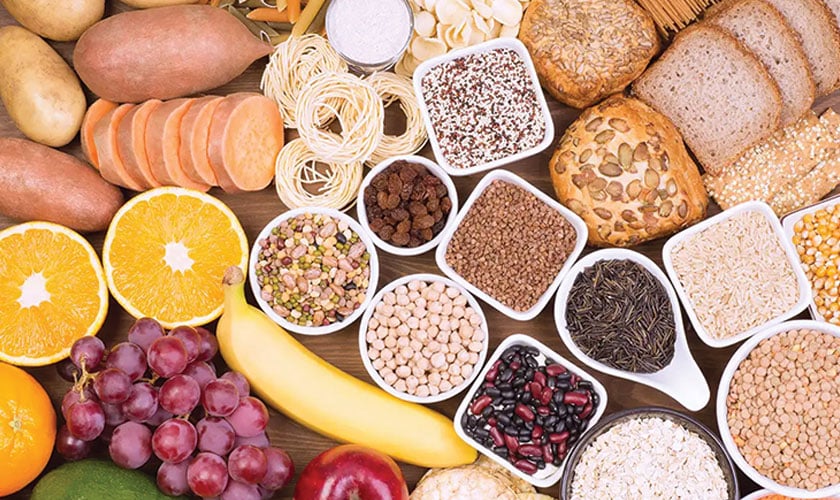
Ensure your meal includes carbohydrates (energy), protein (muscle maintenance), and fats (satiety). This balance sustains blood sugar levels and keeps your energy steady during long fasting hours.
Fasting is both physical and mental. Start the day with a calm mind, avoid rushing, and have a light stretching or breathing routine. Mental preparation helps digestion and improves focus, reducing stress and fatigue during the day.

Many people stop exercising during Ramazan, thinking it would digest their sehri sooner and leave them hungry and fatigued long before iftar time. While fasting, it is natural to feel a bit low on energy, but light physical activity can actually help maintain stamina, improve circulation, and support digestion.
Gentle exercises such as stretching, walking, yoga, or simple bodyweight movements for 15 to 20 minutes a day can keep your muscles active without overtaxing your body. Avoid intense workouts, heavy lifting, or prolonged cardio, especially in the hours leading up to iftar, as these can lead to dehydration and exhaustion. Light exercise also helps regulate blood sugar levels, reduces fatigue, and improves mood, making it easier to stay alert and focused during fasting hours.
Need a quick energy boost, high in essential minerals? Then grab your blender and give this drink a try.

Ingredients
2 cup unsweetened milk
4 large dates, pitted and chopped
2 large frozen bananas
6 walnut halves
6 small ice cubes
Instructions
Add all ingredients to a blender.
Blend until smooth.
Taste and add more dates, if desired.
Blend again.
Do you sometimes oversleep and
wake up with minutes to fajr?
Here is a food that you can prepare in advance and eat in no time. And save
you from hunger pangs as well!
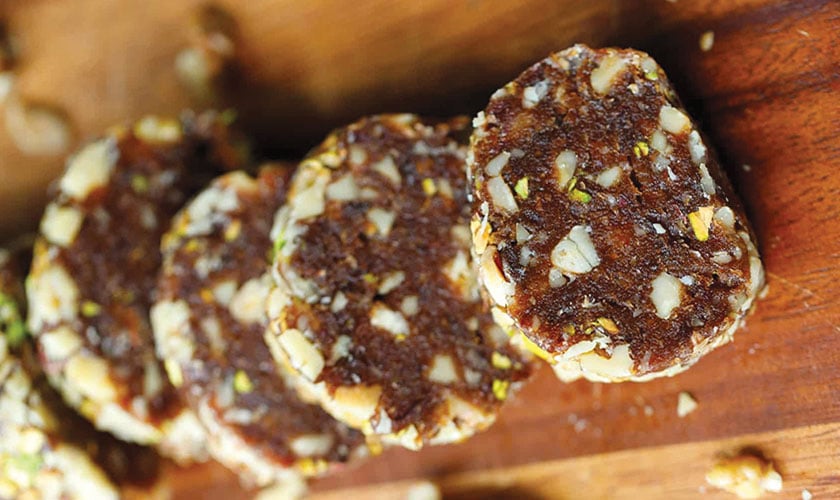
Ingredients
500 g dates
¼ cup almonds, coarsely ground
1 tablespoon desiccated coconut
1 tablespoon sesame
2 teaspoon pistachios ground
½ tablespoon butter
Instructions
Deseed the dates and make a fine paste in grinder.
Roast almonds and sesame on low heat.
In a preheated pan, add butter.
Add date paste and sauté for few minutes, folding with rubber spatula.
Add desiccated coconut and roasted almonds and sesame.
Sauté to mix all ingredients on low heat for about 1 minute.
Now place the hot date paste on plastic wrap to avoid sticking.
Set the date paste with rubber spatula to form a square.
Cool it down and cut into desired shape.
Sprinkle pistachios to make it tempting.
Date rolls are ready!