Pakistan’s economy is once again at a critical crossroads, relying on support from the International Monetary Fund (IMF) to stabilise a deepening economic crisis.
IMF PROGRAMME
Pakistan’s economy is once again at a critical crossroads, relying on support from the International Monetary Fund (IMF) to stabilise a deepening economic crisis.
The country has entered its 25th programme amid ongoing economic challenges. Pakistan has had a long-standing relationship with the IMF since the 1950s. It has entered multiple IMF programmes since its inception. Persistent high inflation, a debt crisis, and falling foreign exchange reserves are among the major reasons Pakistan’s economy relies on IMF programmes.
Despite a long history of borrowing, these programmes provide only temporary relief to an already fragile economy. Pakistan’s long engagement with the IMF is indicative of deep-rooted economic challenges. However, these loans often come at a price, with the burden falling disproportionately on the common man. IMF loans are policy packages rather than just financial assistance. They have political, social and economic costs, mostly due to stringent policy requirements.
Pakistan’s history with the IMF shows a cycle of crises. It is the same cycle that keeps repeating: a nation borrows, experiences a brief period of improvement, then faces another crisis and borrows again. The IMF cycle illustrates a pattern of brief stabilisation followed by recurrent crises, primarily due to incomplete reforms and a weak economic structure.
Long-term structural adjustments, rather than frequent borrowing, are necessary to break this cycle. IMF programmes may treat the symptoms of economic crises, but overcoming the underlying disease requires addressing the root causes, such as a narrow tax base, low export competitiveness and persistent fiscal deficits.
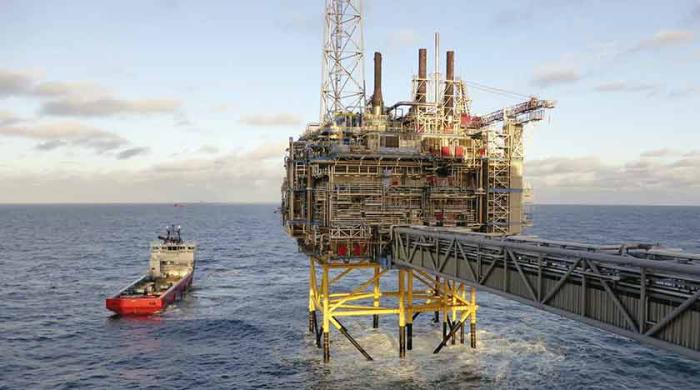
The ongoing conflict in the Middle East has worsened matters by raising global oil prices, which have a significant impact on energy, food prices, and related sectors. Pakistan is highly vulnerable to fluctuations in global oil prices as it is heavily dependent on oil imports. Growing regional tensions have raised energy prices, exacerbating domestic inflation and deepening the current account deficit. As geopolitical tensions stemming from the Middle East crisis threaten to disrupt Pakistan's economic recovery, the country reached an initial deal with the IMF to release roughly $1.2 billion from a $7 billion bailout programme.
Pakistan’s economy is currently under severe strain, as IMF-backed loans come with a difficult trade-off between immediate relief and long-term economic challenges. The short-term trade-off requires painful adjustments, such as reducing subsidies, increasing taxes and cutting public spending, which eventually raise inflation and slow economic growth. On the other hand, long-term gains can only be achieved if structural reforms are fully implemented and policies remain consistent over time.
Looking ahead, Pakistan’s economic future will depend on its ability to implement structural reforms that increase resilience and reduce vulnerability to external shocks rather than relying on frequent IMF bailouts
However, in Pakistan’s case, the country continues to suffer from painful adjustments without gaining long-term benefits. Hence, failure to implement these reforms undermines potential long-term benefits. Despite the deal with the IMF, oil price volatility stemming from the ongoing war in the Middle East poses serious risks to Pakistan’s economic stability, including higher inflation and slower economic growth.
Pakistan’s ongoing crisis reflects deep-rooted issues stemming from chronically low tax collection, persistent fiscal deficits and low exports. IMF-backed programmes provide temporary financial relief at the cost of intensified inflation and public hardship, disproportionately affecting ordinary citizens.
The real solution lies in implementing proper policies to improve tax collection, increase exports and reduce fiscal deficits. As an oil-importing country, Pakistan has found external financing more difficult due to global uncertainty caused by the Middle East war. It has further deepened the economic crisis by slowing economic activity. Export-oriented growth should be prioritised as it would not only help overcome the balance of payments deficit but also accelerate economic growth.
Pakistan’s most significant policy failure lies in its inadequate tax reforms, which have hindered efforts to reduce the fiscal deficit. The country’s tax-to-GDP ratio, at around 9-10 per cent, remains considerably lower than that of neighbouring countries. This is because the agriculture, real estate and retail sectors remain largely untaxed. The agriculture sector, which contributes approximately 22-24 per cent of Pakistan’s GDP, pays almost no income tax. It is the salaried class that automatically pays tax in Pakistan. Serious efforts are crucial to implementing reforms in the energy sector, which is responsible for Pakistan's energy crisis, as the country cannot grow out of debt without fixing this sector.
The energy sector crisis not only undermines exports but also reduces foreign direct investment. Eventually, it widens the fiscal deficit as the government repeatedly has to bail out circular debt. Pakistan’s economic stability depends on long-term structural reforms, disciplined fiscal management and external global developments beyond its control.
Looking ahead, Pakistan’s economic future will depend on its ability to implement structural reforms that increase resilience and reduce vulnerability to external shocks rather than relying on frequent IMF bailouts.
The writer is a lecturer in economics at NUML University, Islamabad. Email: [email protected]