As Pakistan transitions -- indeed, quite decisively -- from fossil-fuel–based power generation to renewable sources such as photovoltaic solar and wind, it faces the complex challenge of integrating these intermittent sources into the national grid.
POWER STORAGE
As Pakistan transitions -- indeed, quite decisively -- from fossil-fuel–based power generation to renewable sources such as photovoltaic solar and wind, it faces the complex challenge of integrating these intermittent sources into the national grid.
This transition demands substantial investment in energy storage technologies and flexible grid management to maintain system stability. The national grid is being expanded and modernised to accommodate this shift, with the introduction of large-scale battery energy storage systems under the Transmission Expansion Plan (TSEP) 2025–35. These efforts align with projected additions of 11,544MW of solar and 5,133MW of wind capacity under low-GDP growth scenarios.

Globally, pumped storage hydropower (PSH) stands out as the most reliable and cost-effective technology for large-scale energy storage. It plays a critical role in balancing grid fluctuations and facilitating the integration of renewable energy with relatively low operational risk. The increasing global emphasis on clean, green, and affordable energy has renewed focus on expanding PSH capacity. By absorbing surplus electricity during periods of high generation and releasing it during peak demand, PSH helps manage grid constraints and enhances overall system efficiency. It is a mature and versatile solution that can operate independently or in conjunction with conventional hydropower plants.
Technically, PSH systems resemble traditional hydropower plants but also incorporate the added capability of water recycling. During off-peak periods, excess electricity is used to pump water from a lower reservoir to an upper reservoir. When demand rises, the stored water is released back through turbines to generate electricity. This cyclical operation makes PSH highly effective for balancing supply and demand while strengthening the grid reliability.
The applications of PSH are wide-ranging. It smooths fluctuations from solar and wind generation, provides rapid ramping and frequency regulation to prevent blackouts, and enables energy arbitrage or economic bridging by storing cheap off-peak power and supplying it during high-demand periods. Innovations such as off-river and seawater-based systems further enhance its sustainability by conserving freshwater resources. At present, global PSH capacity stands at roughly 200 GW, with an additional 600GW under development -- highlighting its growing importance as a ‘water battery’ for modern power systems.
East Asia leads the world in PSH deployment, accounting for nearly half of global installed capacity. China dominates the sector, having added about 7.75GW in 2024 alone, bringing its total capacity to over 200GW. Among its flagship projects is the Fengning Pumped Storage Power Station, currently the world’s largest at 3.6GW, with substantial coal savings and emissions reductions. Japan, an early adopter of the technology, operates more than 18 PSH plants, including the innovative Okinawa Yanbaru seawater facility.
Looking ahead, Pakistan’s updated Indicative Generation Capacity Expansion Plan (IGCEP) 2025–2035 envisages adding about 21,400MW of hydropower capacity by 2035. This ambitious expansion provides a timely opportunity to integrate pumped storage features into new and existing projects from the outset, rather than as costly retrofits later
In South Asia, countries are increasingly recognising the strategic value of PSH. India has around 44.5GW of projects at various stages of development and aims to reach 51GW by 2032. Sri Lanka is developing its first major PSH project -- the 600MW Maha Oya scheme -- while Bhutan continues to expand conventional hydropower alongside emerging PSH collaborations.
Southeast Asia is also accelerating deployment. Vietnam is constructing the 1,200MW Bac Ai project, expected to be the region’s largest, while Indonesia is developing the 1,040MW Upper Cisokan plant with multilateral financing. The Philippines and Thailand are likewise expanding their PSH pipelines to reduce dependence on fossil fuels and meet climate commitments.
In Pakistan, however, PSH remains largely untapped despite the growing penetration of intermittent renewables. Solar and wind power, while environmentally desirable, require firming capacity to ensure reliability. One promising approach is the development of pump-back hydropower plants, which integrate PSH capabilities with existing hydropower infrastructure. Retrofitting current facilities is technically feasible. For instance, the 300MW Balakot Hydropower Project could be adapted for PSH by adding an upper reservoir, especially given the involvement of multilateral financiers who may support such enhancements.
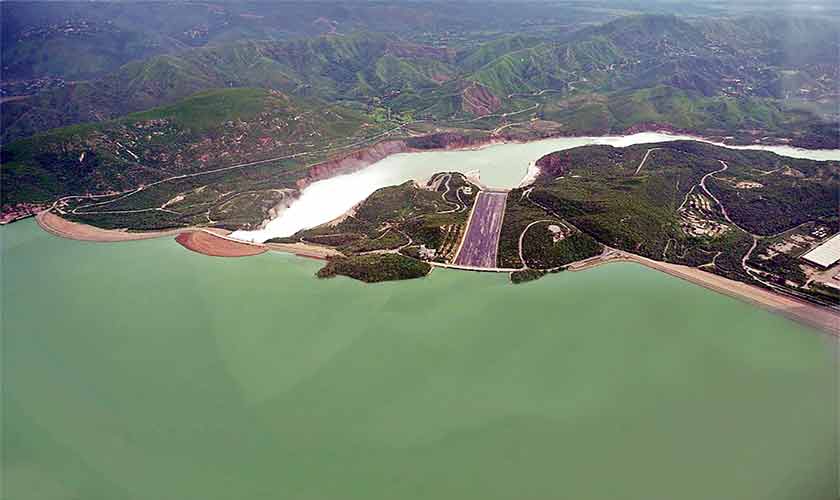
An even more compelling candidate is the Tarbela Dam, one of the country’s largest hydropower assets. Its extensive reservoir system offers a natural advantage for PSH integration, possibly utilising downstream structures such as the Ghazi-Barotha Canal as a lower reservoir. During off-peak hours, surplus renewable energy could be used to pump water back into the main reservoir, thereby enhancing operational flexibility and providing critical support during peak demand. While technically viable, such a conversion would require careful water management to preserve Tarbela’s core functions, including irrigation, flood control and conventional power generation.
The adoption of PSH aligns closely with Pakistan’s broader objectives of reducing dependence on imported fuels, strengthening energy security, and expanding the utilisation of renewable energy. As the energy mix evolves, PSH offers a pragmatic and forward-looking solution to the challenges of intermittency and grid stability.
Looking ahead, Pakistan’s updated Indicative Generation Capacity Expansion Plan (IGCEP) 2025–2035 envisages adding about 21,400MW of hydropower capacity by 2035. This ambitious expansion provides a timely opportunity to integrate pumped storage features into new and existing projects from the outset, rather than as costly retrofits later. By embedding PSH within its long-term hydropower strategy, Pakistan can transform its growing renewable portfolio into a stable, dispatchable, and resilient energy system. In doing so, it would not only secure its domestic energy future but also better align with global decarbonisation goals.
The writer is a retired chairman of the State Engineering Corporation.