

 May 11, 2026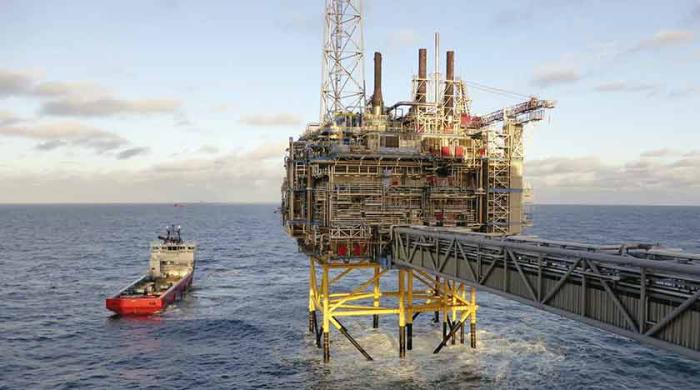
“It was the best of times, it was the worst of times", wrote Charles Dickens, a line that aptly captures Pakistan’s present energy predicament. Recent disruptions in global oil and gas supply...
Economic challenges in Pakistan are often framed through policy choices. Debates focus on the decisions made, the reforms prioritised and how effectively they were implemented. Less attention is...
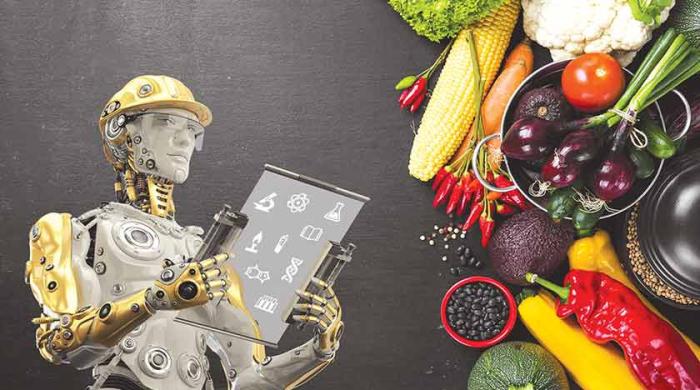
Pakistan’s food safety system stands at a critical inflexion point. Rapid urbanisation, increasingly complex supply chains and persistent challenges such as adulteration and mislabeling have...
Pakistan’s food safety system stands at a critical inflexion point. Rapid urbanisation, increasingly complex supply chains and persistent challenges such as adulteration and mislabeling have...
Pakistan’s economy is once again at a critical crossroads, relying on support from the International Monetary Fund to stabilise a deepening economic crisis.
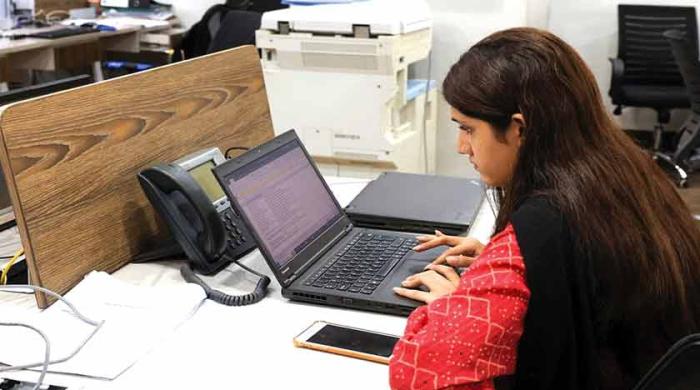
Something quiet is happening in Pakistan. A generation is entering the workforce through a phone, a platform account and an overseas client, often before the local job market offers them a path at...
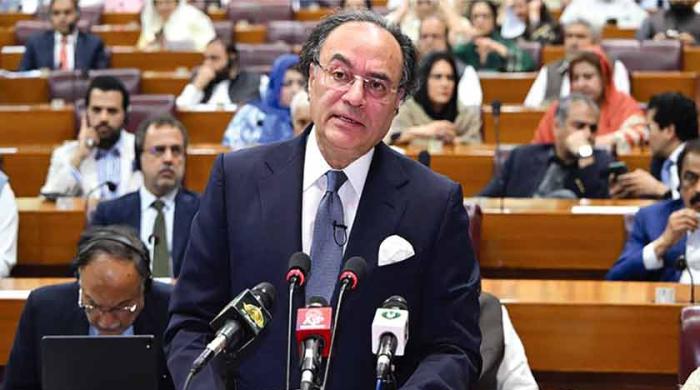
The ongoing conflict in the Persian Gulf has reestablished the importance of the oil and gas sector in the global economy. While fossil fuel investments were once dismissed as 'sunk costs', the...
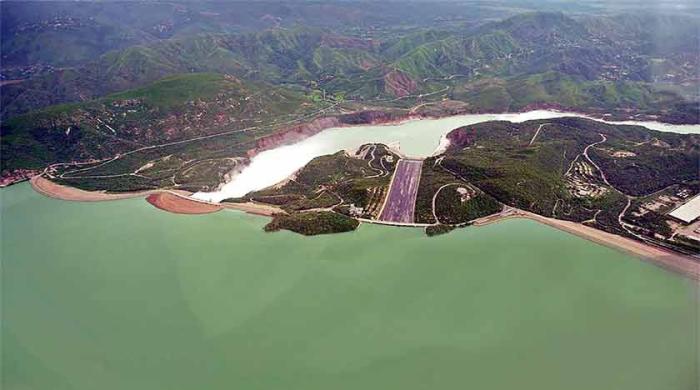
As Pakistan transitions -- indeed, quite decisively -- from fossil-fuel–based power generation to renewable sources such as photovoltaic solar and wind, it faces the complex challenge of...
For decades, the advice from the IMF and World Bank to Pakistan was consistent: open markets and private enterprise. Yet the World Bank has now published a report titled ‘Industrial Policy for...
Every morning that Pakistan's decision-makers delay action, a small business closes, a file gathers dust and a young entrepreneur gives up and books a flight abroad.