Global oil markets are once again entering a period of volatility. Rising geopolitical tensions and supply constraints have pushed oil prices upward, almost 13 per cent in a week. There is a strong possibility that Brent will exceed $100 per barrel.
OIL PRICES
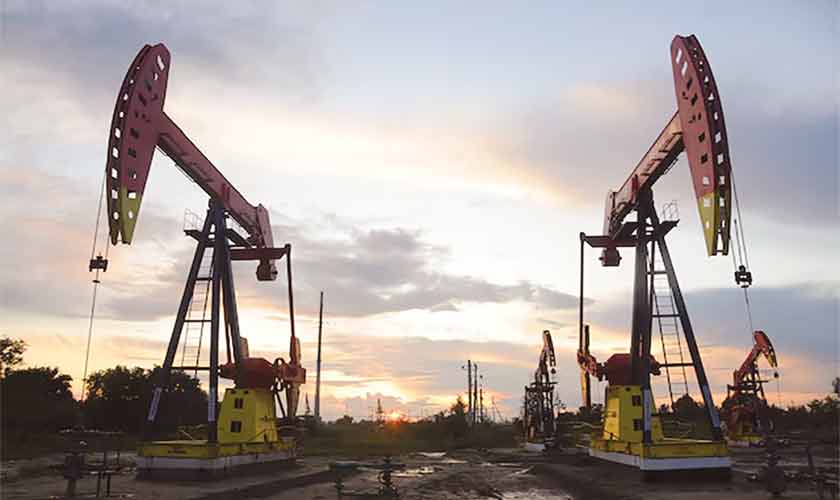
Global oil markets are once again entering a period of volatility. Rising geopolitical tensions and supply constraints have pushed oil prices upward, almost 13 per cent in a week. There is a strong possibility that Brent will exceed $100 per barrel.
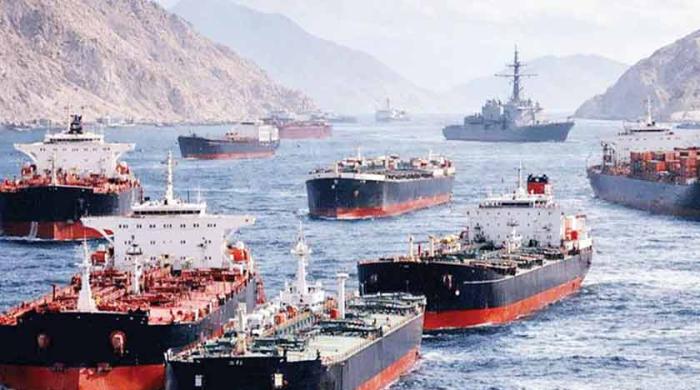
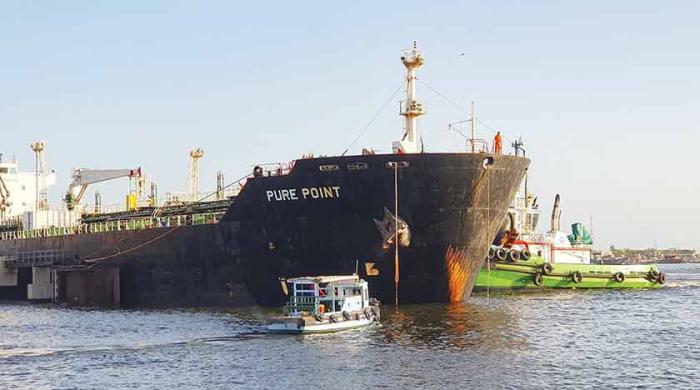
There is significant concern regarding a supply shortage. Pakistan is nearly entirely reliant on the Strait of Hormuz for energy, importing about 70-80 per cent of its crude oil and almost all of its LNG. Currently, a de facto blockade has led to delays in oil shipments to Pakistani ports. Qatar Energy has also declared force majeure on LNG supplies after suspending production at key export facilities, creating challenges for the power sector (RLNG's share in the generation mix for January 2026 is almost 21 per cent).
Pakistan is facing severe economic imbalances, resulting in a high interest payment burden and pressing external debt repayments. The corrective policies under the IMF programme have stabilised the economy, aided by lower oil prices and debt rollovers. The current energy price shock poses a tough macroeconomic challenge for Pakistan, particularly as the economy is already grappling with noticeable structural growth challenges, with GDP growth stagnating at approximately 2-3 per cent.
Pakistan's economy has remained structurally exposed to oil price shocks. Despite some progress in diversifying the energy mix in recent years, the country still relies heavily on imported petroleum for transport, industry and parts of the electricity sector. Pakistan is dependent on imports for almost 80 per cent of its petroleum needs. This dependence means that when global oil prices rise, the effects ripple quickly through Pakistan's external accounts, domestic inflation and overall economic growth.
The immediate impact is reflected in the import bill. The petroleum group is the largest component of the import bill. Oil imports typically account for 20–30 per cent (annual) of total goods imports in US$, depending on price levels and exchange rate. In FY2025, it was almost 27 per cent; Pakistan's petroleum import bill was almost $16 billion. When international prices rise, the cost of these imports increases almost automatically.
The recent rise in Brent crude oil prices suggests Pakistan's trade deficit may widen significantly if this trend continues. This could put pressure on the current account balance, a concern for a country that has historically faced external account vulnerabilities and balance-of-payments crises.
Although Pakistan's reserves are currently stronger, with the State Bank of Pakistan holding about $16.3 billion (total reserves at $21.4 billion as of March 6, 2026), rising Brent prices above $100 per barrel could increase the monthly import bill by $390 million or more (excluding LNG and LPG). This situation raises the demand for foreign currency, risking reserve depletion or necessitating additional borrowing.
The inflationary impact is expected to be felt immediately by households. Transport is the first components of CPI to feel the impact, which make up 6.0 per cent of the overall CPI basket. Fuel prices in Pakistan are adjusted fortnightly, but the government has decided to make weekly adjustments this time to reflect the international market trend. The first such weekly adjustment has been announced (March 7, 2026), an increase of Rs55/liter in petrol and diesel prices.
The rise in fuel prices would have a minimal impact on overall inflation. However, because Pakistan's supply chains depend on road transport, higher fuel costs increase the expenses of moving goods from farms to markets and factories to consumers. This is especially true for food prices, as agricultural production relies on fuel for irrigation and transportation. Since food accounts for about 37 per cent of the consumer price index in Pakistan, these increases will significantly contribute to higher overall inflation.
The recent rise in Brent crude oil prices suggests Pakistan's trade deficit may widen significantly if this trend continues. This could put pressure on the current account balance, a concern for a country that has historically faced external account vulnerabilities and balance-of-payments crises
In the electricity sector, Pakistan has increased its generation capacity through hydropower, coal, RLNG and renewable sources; some power plants still rely on oil-based fuels for generation and backup power. Due to force majeure on LNG supplies from Qatar, the government is planning to compensate for RLNG-based generation with furnace oil-based power plants. It means higher electricity generation costs, which may ultimately be reflected in fuel adjustments to consumers' electricity bills within two months, further adding to inflation.
Currency pressures will also follow. When the demand for dollars rises due to higher import payments, the Pakistani rupee tends to depreciate. Second, when domestic inflation rises faster than global inflation, the real effective exchange rate appreciates, making exports less competitive. These forces push the nominal exchange rate to depreciate. When foreign exchange reserves come under pressure, the immediate impact is a significant rise in interest rates. Lower reserves indicate higher economic risk, leading to increased interest rates on local assets, which can also contribute to cost-push inflation. Unlike demand-driven inflation, interest rates can't control the supply-driven inflation.
Beyond inflation and external balances, higher oil prices will impact economic growth. Increased energy costs raise production expenses for businesses and reduce consumer purchasing power, limiting disposable income for other goods and services. This decrease in spending dampens overall economic activity. Notably, household disposable income for non-essential items has already been declining, as HIES data across years show, due to past energy cost increases; this current shock will further exacerbate the issue.
Pakistan's vulnerability to oil price fluctuations highlights the need for long-term energy and economic reforms. Since 1970, there have been nearly 13 instances when oil prices reached three-year highs, often exceeding $100 per barrel during periods of geopolitical tension. Unfortunately, we have not learned from these experiences.
To reduce energy vulnerability, a mix of policies is needed, such as improving energy efficiency, minimising unnecessary transport fuel use, investing in public transit and building strategic reserves beyond what energy companies hold. Enhancing macroeconomic resilience through better export performance and a sustainable external balance is equally important.
The temporary conservation strategy is expected to be followed by a fuel price hike. The government is considering work-from-home options to reduce petroleum consumption during these challenging times. However, Pakistan needs to adopt a comprehensive approach to permanently reduce its vulnerability to oil shocks.
The government can reduce petrol consumption by regulating free petrol quotas for officials. This includes stopping the purchase of official cars and limiting unnecessary travel. Official vehicles should only be used for official business and not on Sundays, holidays, or outside regular office hours. By leading by example, the government can encourage broader reductions in petroleum use nationwide.
Reducing reliance on imported energy and expanding renewable sources is essential for economic security. Diversifying energy sources is critical, as is investing in grid infrastructure and developing skills to use this mix efficiently, ultimately decreasing dependence on imported fuels for electricity generation.
On the positive side, the 34 GW of installed solar power could be a significant advantage for some consumers. If this capacity is effectively integrated into the grid, it may also alleviate some of the financial burden on other consumers in such difficult times. Some price adjustments can shift consumers' peak load to hours when excessive solar generation is available.
Pakistan should diversify its energy partnerships beyond the Middle East. Improved relations with Russia offer a valuable opportunity. While some progress has been made, more long-term initiatives are needed. Upgrading Pakistani refineries will facilitate the integration of Russian crude oil, boosting the production of refined petroleum products. The proposed LNG project with Russia could enhance regional cooperation and help Pakistan secure better prices and supplies.
Pakistan's ability to withstand the next oil shock depends on how quickly it addresses its structural vulnerabilities. Decisive action is needed now.
The writer is an economist and researcher with expertise in the energy sector.