Every day on Pakistan’s roads, thousands of people set out for work, school, farms and markets. For most, it is routine. For some, it becomes a tragedy. Road accidents are no longer only a traffic issue; they have become a serious public policy and financial protection challenge for the country.
DEVELOPMENT
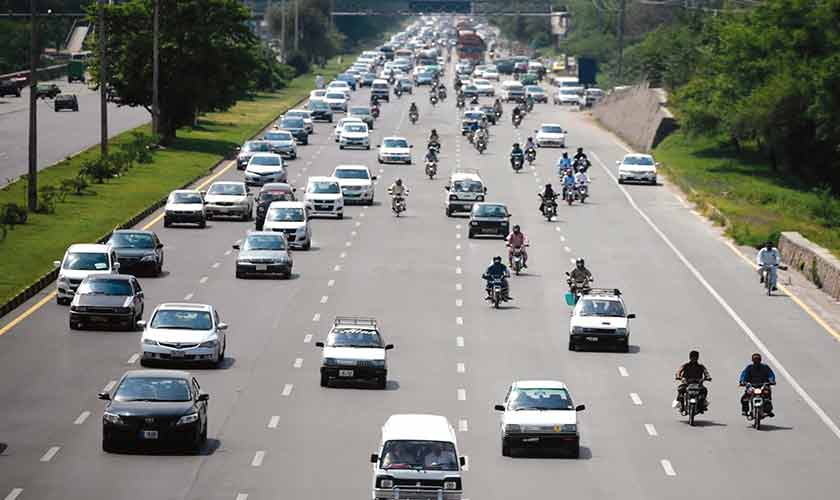
Every day on Pakistan’s roads, thousands of people set out for work, school, farms and markets. For most, it is routine. For some, it becomes a tragedy. Road accidents are no longer only a traffic issue; they have become a serious public policy and financial protection challenge for the country.
A motorcyclist returning home late at night collides with a speeding vehicle. A pedestrian crossing a busy road is struck by a bus. A farmer riding his motorcycle on a rural road is hit by a tractor trolley. In many such cases, the victims survive with severe injuries; others do not survive at all. What follows for affected families is often a second tragedy: financial hardship.
Pakistan’s road safety crisis is both a human and economic challenge. According to international road safety estimates, nearly 28,000 people lose their lives annually in traffic accidents in Pakistan, while tens of thousands suffer permanent injuries. Motorcycles account for a large share of these accidents, particularly in densely populated urban areas and rural transport corridors.
With more than 30 million motorcycles on Pakistan’s roads, the absence of structured accident compensation has long left many victims financially exposed. Yet the financial protection system for accident victims has remained weak.
When accidents occur, victims frequently rely on government hospitals for treatment, and compensation claims often turn into lengthy legal disputes. In many cases, responsible drivers lack the financial capacity to compensate victims. As a result, the burden falls either on already struggling families or indirectly on the public exchequer.
In this context, the recent implementation of mandatory Motor Third-Party Insurance in Sindh represents a significant and welcome policy reform. Under the amended Motor Vehicles law, vehicles registered in Sindh must now carry valid third-party insurance. Registration, transfer and annual token tax processes are being linked to proof of insurance. The law also introduces structured compensation mechanisms for victims of road accidents, including financial support in cases of death or permanent disability.
The policy also introduces a No-Fault Compensation System, under which accident victims or their families can receive financial assistance regardless of who is legally responsible for the accident. Under this system, the heirs of a person who dies in a road accident will receive Rs700,000, while victims suffering permanent disability will be entitled to Rs500,000 in compensation.
While the concept of compulsory motor insurance is not new globally, effective implementation has long been missing in Pakistan. The Insurance Association of Pakistan has been advocating the implementation of mandatory motor third-party insurance for nearly two decades. The Sindh reform marks an important step in that direction.
Across the world, third-party motor insurance is considered a fundamental pillar of road transport regulation. Countries such as India, Bangladesh, Malaysia, the UK and members of the European Union require vehicles to carry compulsory liability insurance. The rationale is straightforward: while accidents may not be entirely preventable, financial protection for victims must be guaranteed.
Pakistan has long needed a comprehensive road-safety and accident-compensation framework. Mandatory motor third-party insurance is one of its most essential components
Insurance systems pool risk across millions of drivers, ensuring that victims receive compensation without prolonged litigation or financial hardship. They also reduce the indirect fiscal burden on governments, which otherwise absorb the healthcare and social costs of road accidents. Sindh’s move, therefore, represents Pakistan’s alignment with international best practices in road safety governance.
The benefits of mandatory motor third-party insurance extend beyond compensation. First, it provides a safety net for victims and their families. Immediate financial assistance can make the difference between recovery and lifelong economic hardship.
Second, it reduces pressure on public finances. Instead of government institutions bearing the cost of treatment and compensation, risk is transferred to structured insurance mechanisms.
Third, it strengthens regulatory discipline in the transport ecosystem. Linking insurance with vehicle registration and token tax compliance encourages formalisation and better enforcement.
Fourth, it contributes to data-driven policymaking. Insurance claims generate valuable insights into accident patterns, helping authorities identify high-risk areas and implement targeted safety measures.
Importantly, the Sindh government has also introduced a digital insurance verification system linked to the insurance repository developed under the SECP's guidance. This step is designed to prevent the use of fake or invalid insurance documents and to ensure transparency in enforcement.
For Pakistan’s insurance industry, this reform also presents an opportunity to expand risk coverage, deepen financial inclusion, and demonstrate the sector’s role in social protection.
However, legislation alone will not deliver results. Effective implementation will be crucial. Public awareness campaigns are necessary so vehicle owners understand both their legal obligations and the protection that insurance provides. Digital verification systems must remain robust to prevent fraud and ensure enforcement. Law-enforcement agencies will also need the capacity to monitor compliance on roads. Most importantly, the reform should not remain limited to a single province.
Road safety challenges are national in nature. As vehicle ownership continues to rise, particularly motorcycles and commercial transport vehicles, the financial and social costs of accidents will also grow. The Sindh initiative offers a practical template that other provinces and federal authorities can build upon.
Federal and provincial governments should now work to harmonise these frameworks nationwide so that accident victims across Pakistan receive consistent financial protection.
Pakistan has long needed a comprehensive road-safety and accident-compensation framework. Mandatory motor third-party insurance is one of its most essential components.
For thousands of families who may one day face the consequences of a road accident, it represents something far more important than regulation. It represents protection, accountability and an important step towards safer and more responsible roads in Pakistan.
The writer is a senior vice chairman of the Insurance Association of Pakistan and the COO of IGI General Insurance.