In an era dominated by digital and electronic media, the launch of new television channels may, at first glance, seem like an exercise in futility. With traditional broadcasting globally under siege by streaming giants and social media, the move seems counterintuitive. Yet, Pakistan is currently charting a distinct course. In the aftermath of recent regional tensions, the state has moved to establish English-language news channels to project its story to a global audience.
TRAVEL
In an era dominated by digital and electronic media, the launch of new television channels may, at first glance, seem like an exercise in futility. With traditional broadcasting globally under siege by streaming giants and social media, the move seems counterintuitive. Yet, Pakistan is currently charting a distinct course. In the aftermath of recent regional tensions, the state has moved to establish English-language news channels to project its story to a global audience.
While two such channels have already debuted, the real challenge lies not in their mere existence but in their ability to break away from the stagnant patterns of the past. Currently, the domestic media landscape is in flux. Existing television channels are steadily losing viewership as audiences migrate toward digital platforms that offer diverse, engaging and meaningful content.
This stands in stark contrast to traditional programming, which remains largely confined to repetitive, inconclusive, and often logic-deficient political debates. To survive and fulfill their strategic purpose, emerging English-language channels must demonstrate a clear departure from these exhausted formats. If approached with foresight, these platforms could serve a purpose far beyond conventional news delivery; they hold the potential to reshape Pakistan’s global image and revitalise the national economy through the lens of its largely untapped tourism sector.
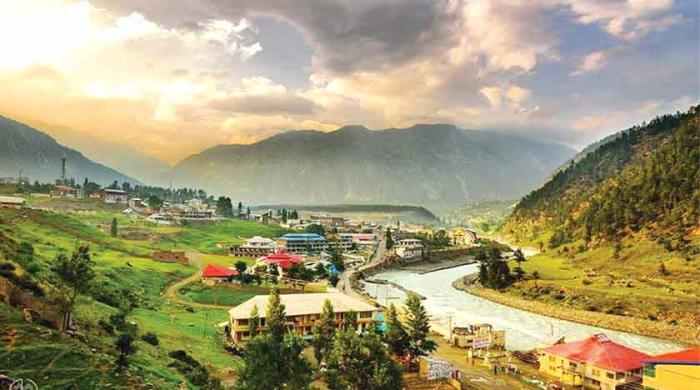
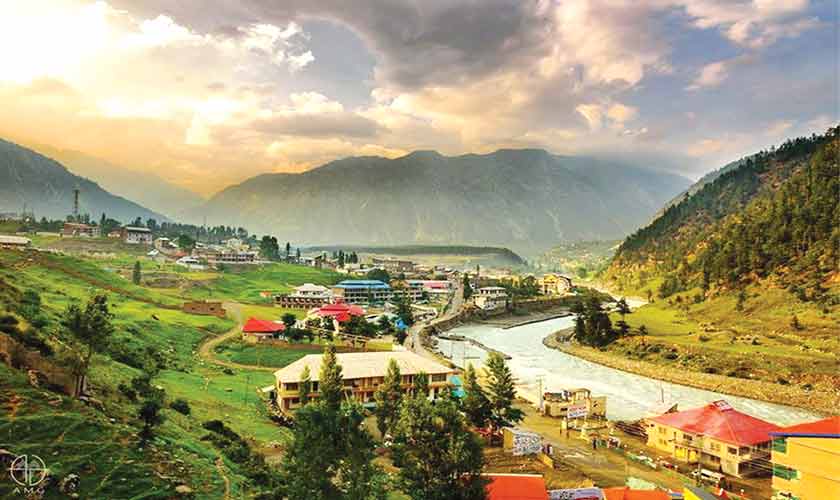
The evidence for this potential is already visible in the digital sphere. Whenever Pakistan’s unparalleled natural beauty and spectacular travel destinations are showcased by independent creators on platforms like YouTube and Instagram, they draw the attention of millions. This increased visibility has allowed global audiences to discover landscapes that had long remained overlooked by mainstream outlets. A growing number of international visitors are now arriving in the country, often inspired by a mention in a ‘top travel destination’ list or a viral vlog highlighting the country’s scenic wonders.
In this context, the role of emerging English-language television channels could prove transformative. By projecting Pakistan’s natural majesty through well-curated coverage, featuring exploratory expeditions and programmes capturing the thrill of its wild frontiers, these platforms could enhance the country’s appeal as a premier travel destination. With professional presentation and consistent storytelling, they could help turn tourism into a cornerstone of economic growth, attracting international visitors by the millions each year.
The problem with Pakistan’s natural beauty is not its absence, but its neglect. For a long time, the names of our national parks remained unfamiliar even to the local population. My own realisation came almost by accident when I encountered a video of a Pakistani leopard near Quetta, which led me to discover the Hazarganji-Chiltan National Park. As a wildlife enthusiast familiar with the world’s most celebrated safaris and conservation areas, it was astonishing to realise how little I knew about my own country's protected landscapes.
Pakistan does not lack destinations; it lacks strategic projection. This is where the mandate of emerging English-language television channels becomes crucial
Upon further exploration, I found that Pakistan is home to more than twenty national parks, many of which rival internationally renowned destinations in ecological richness and scenic grandeur. These sites offer a breathtaking array of diversity: from the alpine glaciers of the north to the pristine sandy beaches of the south. However, even seasoned travelers often remain unaware of these treasures. The gap is not in the geography, but in the exposure.
To understand the scale of what is being missed, one only needs to look at the diversity across the provinces. Few are aware that Gilgit-Baltistan hosts the Central Karakoram National Park, a vast protected area stretching across more than 10,500 square kilometres. It is one of the largest national parks in the world, housing some of the highest peaks on Earth, including K2, and the largest cluster of glaciers outside the polar regions. This ecological wealth continues with Deosai National Park, whose high-altitude plains bloom with wildflowers in summer and provide a sanctuary for the Himalayan brown bear.
Further south, the Khunjerab National Park on the China border blends ecological importance with the history of the ancient Silk Route, while Hingol National Park along the Makran Coastal Highway presents a rare combination of rugged mountains, desert terrain, and a turquoise coastline -- a blend seldom found elsewhere on the planet. From the steep, forested sanctuaries of the Markhor in Chitral Gol to the accessible, lush greenery of the Ayubia and Margalla Hills, the country possesses a wealth of destinations that simply lack a global spotlight.
What emerges from these examples is a clear reality: Pakistan does not lack destinations; it lacks strategic projection. This is where the mandate of emerging English-language television channels becomes crucial. These platforms should develop dedicated programming blocks focused on tourism and nature, moving away from occasional features towards consistent, weekly shows focused on national parks and mountain expeditions. Instead of short, superficial news segments.
Pakistan needs visually powerful, National Geographic-style documentaries that can compete on a global stage, highlighting wildlife, trekking routes, and indigenous cultures. Furthermore, these media platforms should transition from merely showing landscapes to branding ‘experiences’. They should narrate the story of the K2 Base Camp Trek, a desert safari in Cholistan, or a coastal journey along the Makran coast, transforming geography into a tangible experience viewers can envision themselves having.
The success of these channels depends on collaboration. Partnerships between media houses, provincial tourism departments and private tour operators are essential to ensure that coverage translates into real-world travel opportunities.
By leveraging these new channels to showcase the nation’s spectacular natural heritage, the state can do more than just tell its story -- it can invite the world to come and see it. In doing so, it can replace a narrative of volatility with one of breathtaking beauty and immense economic promise, ensuring that these new channels become catalysts for national pride and prosperity.
The writer is a Swat-based contributor. He can be reached at: [email protected]