Pakistan is home to some of the world’s finest natural resources, including an impressive range of stones and gemstones that hold the key to significant economic growth. Despite this wealth, both the stone and gemstone sectors remain underdeveloped and undervalued globally. From marble and granite to travertine and aquamarine, Pakistan has the potential to become a key player in the international trade of these commodities.
STONES & GEMSTONES
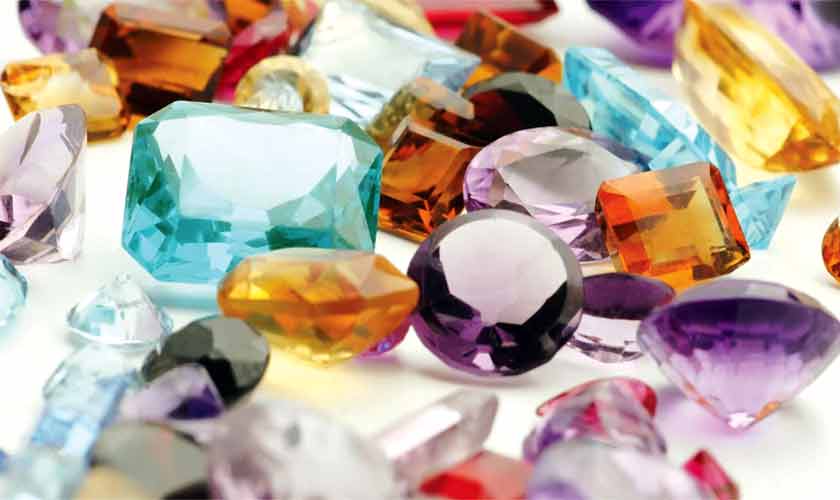
Pakistan is home to some of the world’s finest natural resources, including an impressive range of stones and gemstones that hold the key to significant economic growth. Despite this wealth, both the stone and gemstone sectors remain underdeveloped and undervalued globally. From marble and granite to travertine and aquamarine, Pakistan has the potential to become a key player in the international trade of these commodities.
However, growth in these industries has been constrained by outdated practices, limited modern infrastructure, and insufficient value-added processing. With a focused and concerted effort, Pakistan can transform these sectors into pillars of its economy -- generating jobs, boosting exports, and increasing global recognition.
A recent meeting between SAPM Haroon Akhtar Khan and Salvatore Praino, head of the Italian Trade Agency (ITA), brings fresh hope to Pakistan’s marble sector. During the discussion, both parties explored avenues to enhance the industry through skill development, value addition, and the adoption of advanced technologies. The Italian Trade Agency emphasised the importance of quality improvement and modern processing techniques, while Haroon Akhtar Khan stressed the need for new technology and announced the government’s commitment to developing a comprehensive marble industry policy under the guidance of Prime Minister Shehbaz Sharif.
As part of these efforts, an expert team from Italy will assess Pakistan’s marble industry and provide actionable recommendations to boost its competitiveness. This collaboration aims to strengthen the sector in the long term by improving quality, efficiency, and export capacity.
Pakistan’s stone industry -- particularly its marble, granite, onyx and travertine resources -- represents an untapped treasure trove. While the country’s quarries produce some of the finest-quality stones in the region, most of these resources are exported in raw or semi-processed form, earning far less than their potential value.
Countries such as Italy and Turkiye, which focus on value-added processing, generate billions of dollars from similar resources, while Pakistan has only scratched the surface. Although the Pakistan Stone Development Company (PASDEC) has taken steps to address some challenges, the overall pace of modernisation remains slow. In 2023, Pakistan’s exports of major stone products such as marble, granite and travertine totalled only around $30 million annually -- a fraction of the value generated by leading exporters.
The solution lies in modernising the industry. By investing in advanced machinery, improving processing techniques, and prioritising value-added production, Pakistan can significantly increase earnings from the stone sector. One key area of opportunity is travertine. With its unique patterns and warm tones, this stone could position Pakistan as a global leader. However, outdated cutting methods and inefficient machinery continue to limit its market potential. Small-scale operators still rely on outdated equipment, leading to high waste and low-quality output.
A critical step forward would be to invest in local manufacturing of affordable cutting and polishing machinery. With support from vocational institutes and private-sector partnerships, local workshops could produce equipment that significantly improves efficiency, benefiting small operators nationwide.
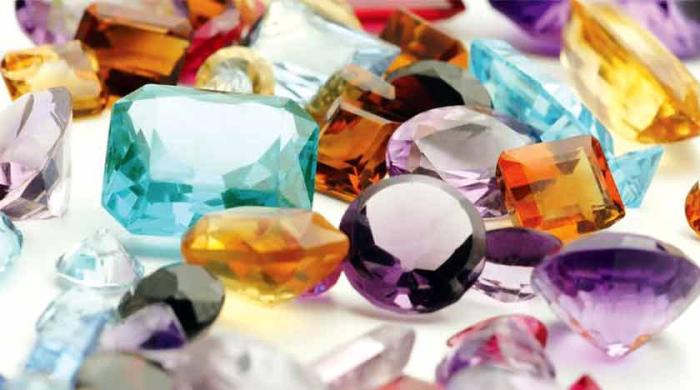
In the gemstone sector, Pakistan possesses another hidden asset: aquamarine deposits, particularly in the mountainous regions of Gilgit-Baltistan. Known for its striking blue-green hues, aquamarine is highly prized internationally. Yet the gemstone industry faces major obstacles, including informal trade practices, smuggling, and a lack of local processing facilities. For example, a 1.42-carat aquamarine stone in Pakistan may sell for as little as Rs10,650, while the same stone can fetch between $675 and $1,500 internationally due to value-added processing abroad.
For the gemstone sector, establishing CFTCs and revitalising the Pakistan Gems and Jewellery Company are critical. The Gilgit-Baltistan government, in partnership with the federal government, should lead these initiatives
Limited access to mining regions and outdated extraction techniques further compound these challenges. To unlock the sector’s full potential, Pakistan must modernise its gemstone operations. Countries such as Brazil, Madagascar, and Mozambique have successfully built robust gemstone industries by focusing on value-added processing and forging partnerships with international experts.
Pakistan can follow a similar path by establishing Common Facility and Training Centres (CFTCs) through joint ventures with countries that have developed gemstone industries. These centres would combine local mining expertise with international knowledge in cutting, polishing, certification and marketing -- allowing Pakistan to shift from exporting raw stones to finished products and capture a larger share of the global market.
In January 2018, in Rome, PASDEC signed a Memorandum of Intent (MoI) with the Marble Association of Italy, backed by both governments. The agreement aimed to establish a technical-scientific centre in Risalpur, with Italy committing to provide advanced machinery, technical expertise, and marketing support for processed stone. The machinery to be supplied by Italy has been finalised, while Pakistan’s contribution -- land, sheds and available machinery at Risalpur -- is already in place. These mutually supported initiatives must now be pursued vigorously to ensure timely execution.
The recent collaboration between Pakistan’s government and the Italian Trade Agency is a promising step forward, showing the importance of modern technology, skills development and international partnerships. Transforming the stone and gemstone sectors requires a coordinated national effort. For the stone industry, investment in modern machinery and improved processing techniques is essential. A Mineral Development Fund could play a pivotal role by providing financial support to small quarry owners and processors, enabling them to acquire modern equipment and improve safety standards. Coordination between federal and provincial governments would further ensure that even small operators have the tools needed to compete globally. Investment in training programmes and vocational institutes would equip workers with skills aligned with international standards, enhancing competitiveness.
For the gemstone sector, establishing CFTCs and revitalising the Pakistan Gems and Jewellery Company are critical. The Gilgit-Baltistan government, in partnership with the federal government, should lead these initiatives. Such centres would not only provide training in cutting and polishing but also introduce transparent gemstone valuation systems -- ensuring fair prices for miners, reducing reliance on middlemen and formalising trade channels. This would help curb smuggling, which is estimated to cost Pakistan up to $5 billion annually.
The experiences of countries such as Turkiye, Brazil, and Madagascar demonstrate that success in the stone and gemstone industries is achievable through focused strategy and sustained investment. Turkiye transformed its marble and travertine sectors through modernisation and value-added production, while Brazil and Madagascar built thriving gemstone industries through processing and international collaboration. These examples show that with the right investments and policy focus, Pakistan can achieve similar success.
Pakistan’s stone and gemstone industries hold immense potential but require long-term commitment to unlock their true value. By modernising extraction and processing methods, prioritising value addition and investing in skills and infrastructure, these sectors can become major drivers of economic growth. Government, industry, and local communities must work together to ensure that the benefits of these valuable resources are fully realised.
The future of Pakistan’s stone and gemstone industries is bright, but decisive action is needed now. With the right focus and sustained support, these sectors can generate employment, boost exports and enhance Pakistan’s global standing.
The writer has been closely associated with the stone sector and regularly writes on economic and industrial reforms.