Pakistan is again facing a sharp increase in unemployment, a trend that threatens the hopes and livelihoods of millions across the country. The most recent labour force survey for 2024–25 reveals that the nation’s unemployment rate has climbed to 7.1 per cent, up from 6.3 per cent in 2020–21.
EMPLOYMENT
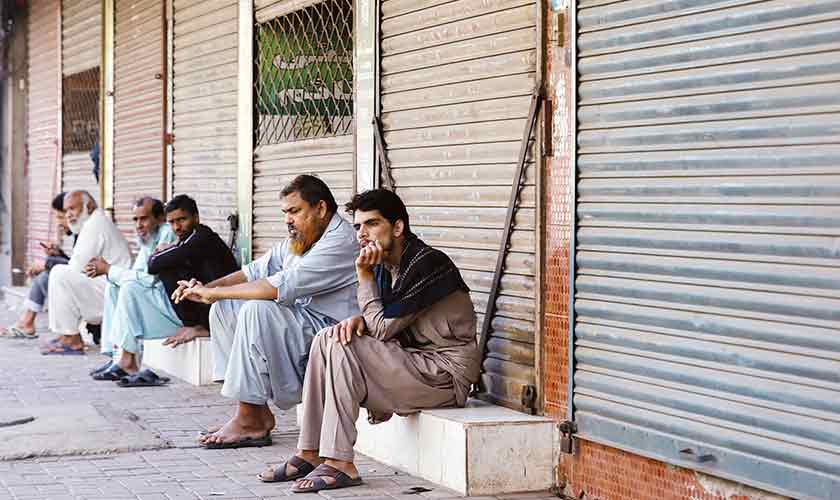
Pakistan is again facing a sharp increase in unemployment, a trend that threatens the hopes and livelihoods of millions across the country. The most recent labour force survey for 2024–25 reveals that the nation’s unemployment rate has climbed to 7.1 per cent, up from 6.3 per cent in 2020–21.
This increase highlights a marked deterioration in the job market over the past few years, leaving an estimated eight million Pakistanis unemployed. While these numbers alone are concerning, they only tell part of the story.
Behind the statistics are real lives disrupted: families losing income, young people unable to begin their careers and communities where informal or unstable work has become the norm. The survey also points to shifts in the structure of employment. While the services sector remains the largest employer, agriculture, historically a backbone of rural livelihoods, continues its long-term decline, affecting millions who rely on it for survival.
The reasons behind this rise in unemployment are complex and rooted in both national and global economic dynamics. One of the key factors is the overall economic slowdown. Although the economy grew by around 2.7 per cent in fiscal year 2025, slightly higher than the previous year, this growth remains well below the level required to generate sufficient jobs for a rapidly expanding working-age population.
The modest growth reflects weak performance in agriculture, a decline in large-scale manufacturing and reduced output in major crops -- all sectors that have traditionally provided bulk employment opportunities. Without strong, sustained growth, the economy cannot keep pace with the number of new jobseekers entering the labour force each year.
The job market has also been affected by the exit of multinational companies from Pakistan. Rising costs, energy shortages, currency depreciation and regulatory challenges have forced many global firms to reduce operations or leave the country entirely. Companies such as Nestle, Unilever, McDonald’s and more recently Procter & Gamble, Microsoft, Shell, TotalEnergies, Telenor, Uber and major pharmaceutical firms like Pfizer, Bayer, Sanofi Aventis and Eli Lilly have scaled down or shut plants and services, resulting in significant job losses. These departures not only reduce direct employment but also disrupt supply chains, distribution networks and small businesses that rely on them, creating a ripple effect that further increases unemployment and undermines confidence among domestic and foreign investors.
Another challenge is the growing mismatch between the skills employers demand and the skills possessed by jobseekers. This problem is particularly acute among young people. Every year, a large number of youth aged 15–35 join the labour force, often without the vocational, technical or industry-specific training required by modern businesses. As a result, many remain unemployed or settle for insecure, low-paid jobs. Others are underemployed, unable to utilise their education or potential fully. This skills gap not only limits economic growth but also frustrates the ambitions of millions of young Pakistanis who are eager to contribute productively to society.
With targeted investment, skills-building initiatives, structural reforms and support for vulnerable groups, Pakistan can rebuild a more inclusive and resilient job market
Structural issues in the economy exacerbate the situation. Decades of reliance on traditional agriculture and low-productivity manufacturing, limited industrial upgrading and failure to expand the formal job market have left many workers stuck in informal and insecure employment. At the same time, global trade shifts, automation and competition from imports and cheaper labour abroad have added pressure to both the manufacturing and services sectors. Many businesses are forced to reduce hiring or lay off workers to remain competitive. Weak governance, regulatory inefficiencies and corruption further discourage investment, preventing businesses from expanding and creating more jobs.
The social consequences of rising unemployment are severe. More people are being pushed into poverty, reversing years of progress in reducing economic hardship. Poverty has increased to around 25 per cent by 2024 and many households now sit just above the poverty line. For these families, a single job loss or wage reduction can push them below the poverty line, creating a cycle of vulnerability that is difficult to escape. This undermines social stability and erodes public confidence in the broader economy.
Women face even greater challenges in the job market. Labour-force participation among women remains extremely low compared to men and employment opportunities for women, especially in stable and formal jobs, are limited. Cultural barriers, skills gaps, lack of childcare, unsafe transport and gender discrimination all restrict women’s ability to enter or remain in paid work. When combined with high youth unemployment, this limits social mobility and restricts the potential contribution of half the population to economic development.
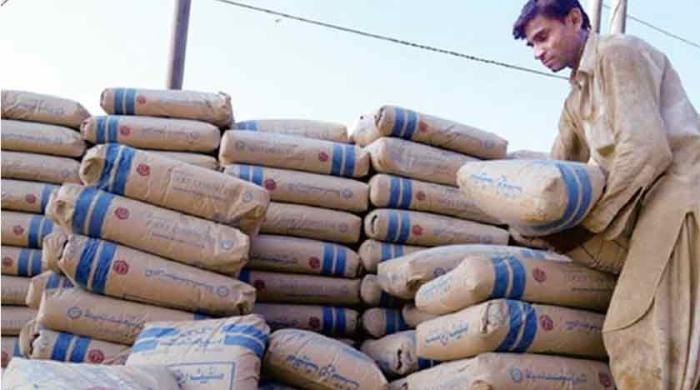
Addressing Pakistan’s unemployment crisis requires a comprehensive approach that combines immediate relief with long-term structural reforms. In the short term, efforts should focus on sectors capable of creating large numbers of jobs quickly. Construction, modernised agriculture, small and medium-sized enterprises and labour-intensive manufacturing can absorb many unemployed workers. Public-private partnerships and targeted investment in infrastructure and export-oriented industries could create jobs, particularly in underserved regions, while stimulating broader economic activity.
Long-term solutions must focus on equipping the workforce with skills needed for a modern economy. Vocational training centres, technical and digital skills programmes, apprenticeships and job-specific courses can prepare young people and women for contemporary industries. Employers also have a role to play by collaborating with educational institutions to design curricula that match labour market needs. Investing in skills can turn potential unemployment into productive employment.
Improving the investment climate is another essential step. Governance reforms, reduced corruption, streamlined regulations and greater transparency can restore investor confidence. With a better business environment, companies are more likely to expand, innovate and hire, generating employment in manufacturing, services, information technology and export-oriented sectors.
Social safety nets and active labour market policies also play an important role. Cash transfers, public works programmes and targeted subsidies can help families survive periods of joblessness. Support for small businesses and startups can encourage entrepreneurship, enabling individuals to build livelihoods while contributing to economic growth.
The rise in unemployment from 6.3 per cent to 7.1 per cent is a clear warning. Without decisive action, more people risk being trapped in cycles of poverty and insecurity. However, with targeted investment, skills-building initiatives, structural reforms and support for vulnerable groups, Pakistan can rebuild a more inclusive and resilient job market. This is not merely an economic challenge but a social one. By focusing on sustainable job creation, Pakistan can restore confidence, reduce poverty and offer its people a more secure future.
The writer is a seasoned journalist and a communications professional. He can be reached at: [email protected]