If you have driven down Constitution Avenue or through the diplomatic enclave in Islamabad lately, you may have noticed a line of unfamiliar flags brightening the roadside. Kyrgyz, Turkmen, Uzbek and Turkish colours now sit beside Pakistan’s own. They are not just decoration but reflect a strategic shift that has been gathering pace quietly but steadily. Pakistan is looking north again, and this time the shift carries real economic weight.
ECONOMIC PIVOT
If you have driven down Constitution Avenue or through the diplomatic enclave in Islamabad lately, you may have noticed a line of unfamiliar flags brightening the roadside. Kyrgyz, Turkmen, Uzbek and Turkish colours now sit beside Pakistan’s own. They are not just decoration but reflect a strategic shift that has been gathering pace quietly but steadily. Pakistan is looking north again, and this time the shift carries real economic weight.
The recent visit of Kyrgyz President Sadyr Zhaparov put a frame around that change. For years, Pakistan’s diplomacy was constrained by the demands of its immediate neighbourhood. Today, its ambitions are shaped by something more practical: the recognition that its ports, geography and market size can support a new economic orientation that links Central Asia to the Arabian Sea. The flags are visible because long-stalled projects are showing signs of life, even if the progress remains uneven.
Pakistan’s energy system is the country’s immediate economic choke point. Expensive LNG imports, recurring shortages and structural inefficiencies leave little room for industrial expansion. This is why the northern turn begins with energy corridors.
CASA 1000 has regained momentum. Islamabad and Bishkek used the recent summit to reaffirm their commitment to a project designed to carry surplus summer hydropower from Kyrgyzstan and Tajikistan. Inside Afghanistan, progress is uneven but not frozen. Afghan authorities say work has resumed on parts of their segment, though the project is still far from full-scale construction. For Pakistan, even partial forward motion matters. Seasonal electricity delivered reliably across the summer months would ease peak load pressure and reduce dependence on costly thermal units. The essential variable now is predictable commissioning.
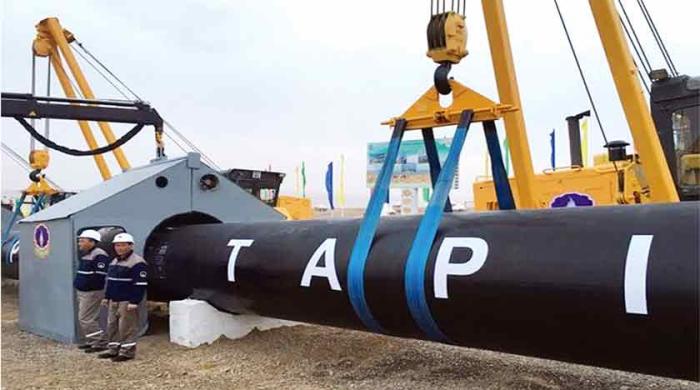
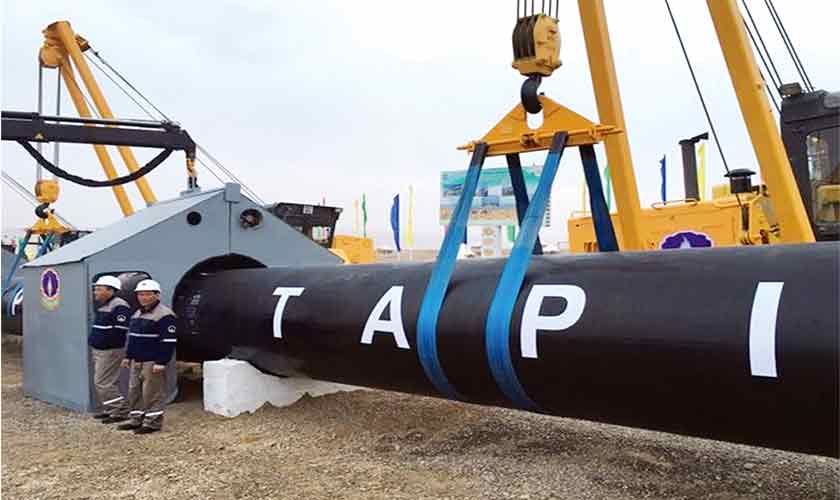
TAPI, the gas pipeline from Turkmenistan to South Asia, remains more complex. Turkmenistan has advanced its domestic work and Afghan officials report preparatory activity, including trenching and material movement in limited zones. But the main transit stretch through Afghanistan is far from complete and still faces financing, political and security headwinds. The project is inching forward. It is not yet advancing fast enough to meet timelines. Still, for Pakistan, TAPI represents a chance to diversify its long-term gas supply and secure a regional source that could stabilise part of its energy mix.
CASA 1000 has regained momentum. Islamabad and Bishkek used the recent summit to reaffirm their commitment to a project designed to carry surplus summer hydropower from Kyrgyzstan and Tajikistan
Energy may anchor the pivot, but trade will determine its scale. Islamabad and Bishkek have set a near-term goal of lifting bilateral trade to $100 million, up from its modest baseline. This requires the long-delayed Transit Trade Agreement as well as basic improvements in customs and border management.
Beyond Central Asia, Pakistan is edging into a broader Eurasian conversation. Recent test cargo shipments to Russia via the International North-South Transport Corridor (INSTC) indicate a strategic opening. If the corridor matures, Pakistan can position itself as a warm-water outlet, connecting Eurasian markets to the Indian Ocean. Karachi and Gwadar offer route efficiencies that can compete with longer maritime alternatives, but only if Pakistan delivers reliability: streamlined logistics, predictable border regimes and stable transit routes. Concepts such as the Mazar-i-Sharif to Peshawar rail link will matter more as regional trade densifies.
But competitors exist. Afghanistan is actively using Iranian routes and the port of Chabahar, especially during periods of Pakistan-Afghanistan border tension. Geography gives Pakistan an advantage, but only credible service delivery can convert that advantage into sustained transit volumes.
The flags in Islamabad signal intent, but execution will depend on a factor no government can ignore: stability in Afghanistan. Every attack along a future energy or trade corridor ripples across CASA 1000, TAPI and any viable north-south transit plan. That vulnerability cannot be wished away. It can only be managed through consistent policy, security cooperation and credible economic incentives for all transit states involved.
Pakistan’s economic reality is straightforward. The country’s industrial centres will rely increasingly on imported electricity from the north and, if TAPI progresses, regional gas from the west. The Pivot North is no longer a diplomatic experiment. It is an economic requirement. If managed well, it can turn Pakistan into a practical connectivity hub for an emerging Eurasian region. If managed poorly, it will leave the country trapped in familiar cycles of high energy costs, supply disruptions and unrealised potential.
The direction is set. What matters now is disciplined delivery.
The writer works at the Sustainable Development Policy Institute (SDPI), Islamabad.