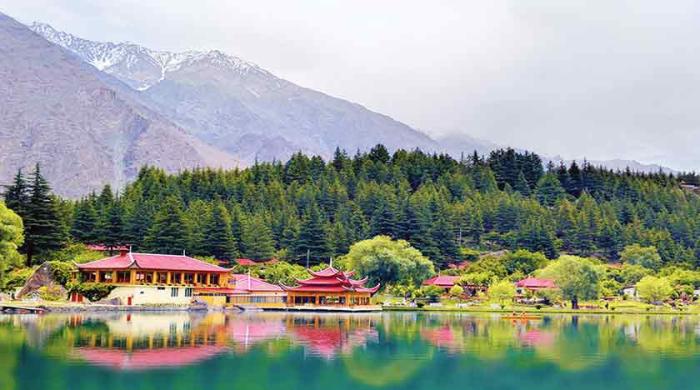
Recently, the Master Plan for promoting tourism in the scenic Swat district was unveiled at a workshop held in the Azure Kalam Valley by the Upper Swat Development Authority, attended by officials from all government departments and aimed at engaging all stakeholders in the region in the development process.
TOURISM SECTOR
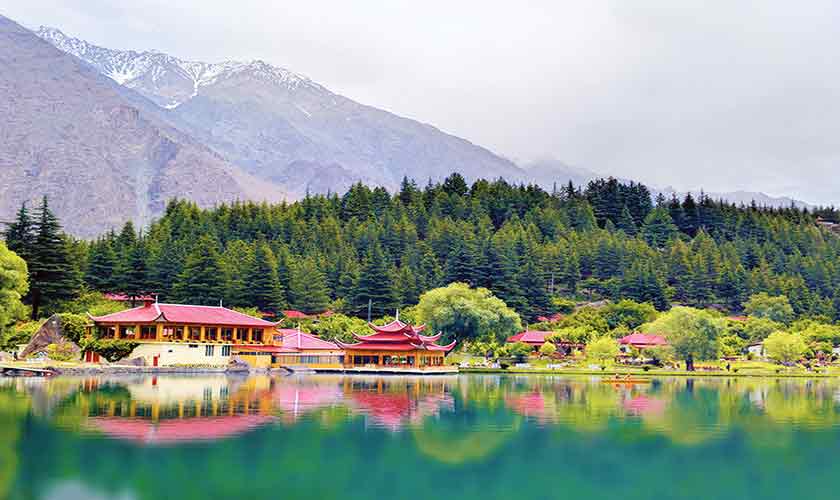
Recently, the Master Plan for promoting tourism in the scenic Swat district was unveiled at a workshop held in the Azure Kalam Valley by the Upper Swat Development Authority, attended by officials from all government departments and aimed at engaging all stakeholders in the region in the development process.
The Vision Workshop discussed Swat’s 2025–45 tourism master strategy to develop the tourism sector in the region. In the workshop, a SWOT Analysis (Strengths, Weaknesses, Opportunities, and Threats) of the region was discussed for policymaking and to better understand the area. After presenting our SWOT Analysis at the workshop, I am eager to prepare a broader SWOT analysis of our entire country for improved national understanding, policymaking and strategic planning.
Tourism is an important part of any country’s development, and Pakistan is fortunate to have many natural and cultural blessings that can bring progress if used wisely. By examining the strengths, weaknesses, opportunities and threats of Pakistan’s tourism sector, we can understand where we currently stand and what steps are needed to move forward.
Pakistan is a country with a rich historical heritage. It is home to some of the world's oldest civilisations, including the Indus Valley Civilisation, which flourished thousands of years ago. These historical treasures provide Pakistan with a unique identity and offer strong foundations for tourism if they are preserved and promoted effectively.
The country’s cultural heritage adds further charm. Every province has its own traditions, languages, clothing, music, and cuisine, creating a colourful and vibrant experience for visitors. The diversity of Punjabi, Sindhi, Pashtun, Balochi, Kashmiri and Gilgiti cultures brings richness to our national character. Folk festivals, traditional crafts, truck art, pottery, embroidery and handmade carpets captivate tourists and offer memorable experiences.
Along with history and culture, Pakistan has remarkable natural beauty. From the hot deserts of Cholistan to the fertile fields of Punjab, and from the deep-blue Arabian Sea to the snow-covered mountains in the north, the variety of landscapes is breathtaking. This natural diversity is unmatched and gives Pakistan a great advantage for tourism development. In addition to natural beauty, Pakistan holds great religious significance. Buddhist heritage sites, Sikh gurdwaras such as Nankana Sahib and Kartarpur, Hindu temples in Sindh and Balochistan, and historic Islamic landmarks and Sufi shrines attract visitors seeking peace and spiritual connection.
The mountains of Pakistan are among the country’s greatest strengths. With five of the world’s 14 highest peaks, including the mighty K2, the northern areas attract climbers, trekkers, and nature lovers from many countries. Hunza, Skardu, Naran, and Chitral offer stunning landscapes, and the Karakoram Highway -- often called the Eighth Wonder of the World -- adds adventure to the journey. These mountains make Pakistan one of the best destinations for adventure seekers. The warm hospitality of the people adds even more beauty to the tourism experience. Visitors often describe Pakistanis as kind, helpful and welcoming.
In the field of adventure tourism, Pakistan has great potential. Besides mountaineering, activities like river rafting, paragliding, trekking, skiing and camping attract adventure lovers. With proper safety measures and training programs, Pakistan can become one of Asia’s top adventure tourism destinations.
Many foreigners still do not know about Pakistan’s landscapes, culture and hospitality. Through social media, travel documentaries, tourism campaigns and collaboration with international influencers, Pakistan can reshape its global image and attract more visitors
The country is also rich in biodiversity. National parks, wildlife reserves and unique ecosystems are home to snow leopards, markhors, dolphins, sea turtles and rare birds.
Despite these strengths, Pakistan faces several weaknesses that need attention. One major challenge is poor infrastructure. Many attractive places are difficult to reach due to broken roads, limited transportation and lack of basic facilities. Without proper infrastructure, international tourists hesitate to visit. Another weakness is the global perception of security. Although security conditions have improved greatly, old impressions still influence how the world sees Pakistan.
For many years, tourism did not receive the focus it needed. Weak policies, insufficient funding and the absence of long-term planning left many beautiful areas underdeveloped. There has also been limited adoption of international tourism standards. Many services, such as hotel management, safety measures, customer service and staff training, do not meet global expectations. This can disappoint foreign visitors accustomed to certain standards. Basic facilities for visitors are also limited. Clean restrooms, proper signage, information centres, trained guides, rest areas and emergency services are essential for a good travel experience, but many places lack these important elements.
On the other hand, Pakistan has many opportunities to improve its tourism sector. One major opportunity is promoting the country’s beauty to the world. Many foreigners still do not know about Pakistan’s landscapes, culture and hospitality. Through social media, travel documentaries, tourism campaigns and collaboration with international influencers, Pakistan can reshape its global image and attract more visitors. Religious tourism is another strong opportunity. With improved facilities, guided tours and safe travel arrangements, Pakistan can welcome millions of Sikh, Buddhist, Hindu, and Muslim pilgrims every year, boosting both the economy and international relations.
Investment in the tourism sector is already growing. Local and international investors are becoming interested in building resorts, hotels, restaurants and recreational facilities. If the government supports the industry with incentives and favourable policies, this investment can greatly strengthen the industry and create jobs. Governance initiatives can also bring positive change. Strong policies, community involvement and cooperation between different departments can help build a sustainable tourism system. Developing infrastructure to reach remote scenic locations is another opportunity. Many of Pakistan’s most beautiful areas remain hidden simply because they cannot be accessed easily. Constructing roads and bridges can open these untouched destinations to tourists.
Digitalisation can modernise the tourism industry. Online bookings, travel apps, digital maps and virtual guides make travelling easier and attract younger travellers who rely on technology. Promoting afforestation and protecting natural landscapes can also boost eco-tourism. Planting trees and restoring forests not only make the environment more beautiful but also help fight climate change and protect wildlife.
However, Pakistan’s tourism sector also faces serious threats. Natural disasters such as floods, earthquakes, landslides, and droughts can damage infrastructure and create risks for tourists. Effective disaster management is essential for protection.
Climate change is another major threat. Rising temperatures, melting glaciers, and unpredictable weather patterns can affect natural sites, especially in the northern areas. Without climate-friendly planning, Pakistan’s natural beauty may face long-term damage. Deforestation is also harming scenic landscapes. Cutting down trees leads to soil erosion, loss of wildlife habitats and a decline in natural beauty, which directly affects tourism.
The writer is a Swat-based contributor. He can be reached at: [email protected]