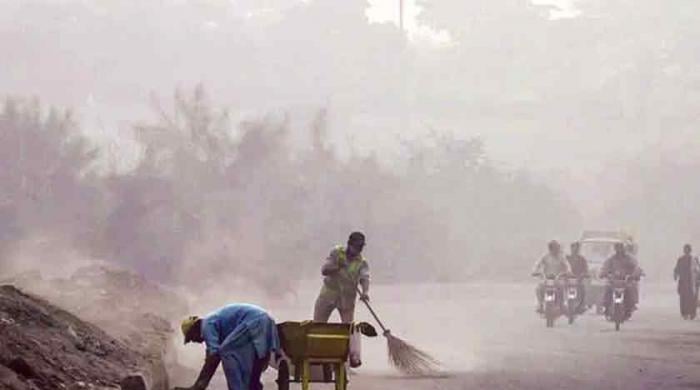
Pakistan is among the most vulnerable to climate change and has endured repeated climate disasters in recent years, from the record-breaking 2022 floods to heatwaves and droughts.
BISP
Pakistan is among the most vulnerable to climate change and has endured repeated climate disasters in recent years, from the record-breaking 2022 floods to heatwaves and droughts.
Each shock pushes already vulnerable families further into poverty. The recent massive floods across Punjab, Khyber Pakhtunkhwa, Gilgit-Baltistan and the riverine belt of Sindh left millions homeless and destroyed vital sectors of livelihood.
The monsoon deluge and riverine flooding inundated large parts of Punjab -- Pakistan’s food basket -- where over 4.7 million people have been affected after India released water from upstream dams, causing rivers to burst their banks. As the period of rescue and relief is completed, surveys for damages and losses are in progress, however affected people have not yet received any emergency cash in the period of relief as given to the victim families of 2022 floods, but they have desperately returned their devastated homes and still looking to government and international community for resilient recovery, rehabilitation and reconstruction initiatives in post-flood period.
Post-disaster humanitarian actions require a collective, responsible response from all stakeholders, including federal and provincial governments, when hard-hit communities face post-disaster challenges. Only recently, the PML-N’s Punjab government and the PPP engaged in a war of words over the mode of flood relief.
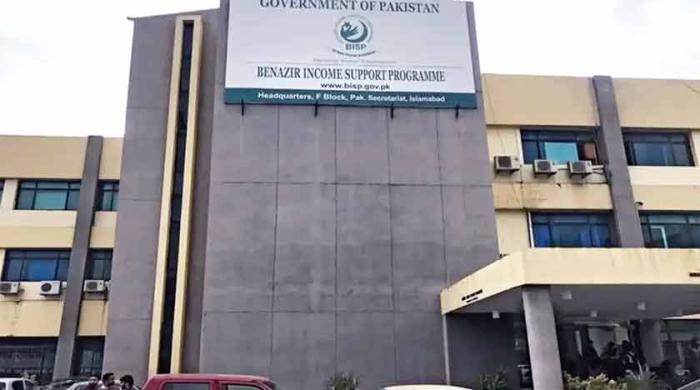
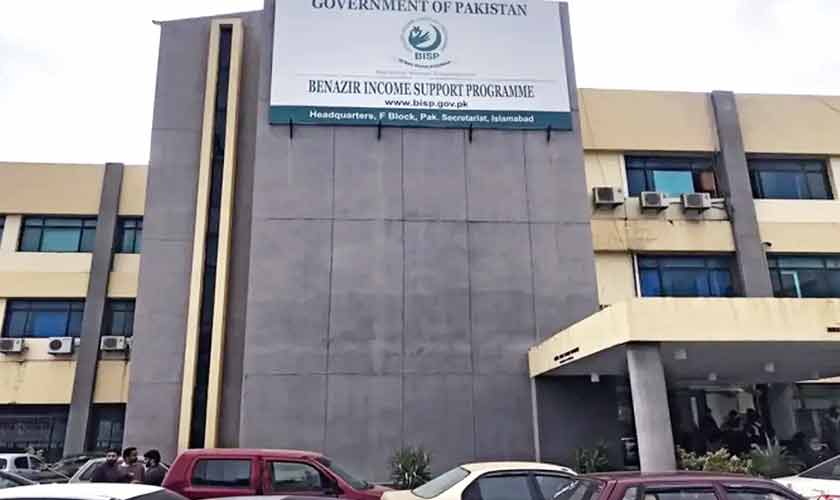
PPP Chairman Bilawal Bhutto-Zardari asserted that the Benazir Income Support Programme (BISP) was the “sole method” of providing relief to those affected by the floods in the country. However, Punjab Chief Minister Maryam Nawaz disapproved of the BISP emergency cash assistance to flood victims during relief and raised concerns about the transparency and data of the well-functioning BISP safety net program.
The political battle between the Punjab government and the PPP over the use of BISP for flood victims created cracks within the two coalition partners at the centre. Unfortunately, this political fight also damaged the credibility of the well-reputed and well-governed BISP programme and raised critical questions about the approaches and attitudes of political parties towards social protection schemes designed for the vulnerable and disaster-hit population. This shows how political parties use such schemes in poverty-disaster-hit areas not as humanitarian or poverty-reduction methods but as political tools to gain electoral gains in the future.
Pakistan is a lower-middle-income state with a per capita GDP of $1,505, and a quarter of the population still lives below the poverty line, and these people are disproportionately located in rural areas. The rising fuel and food prices, Covid-19 pandemic worsened the situation for poor and vulnerable households, the floods in 2022 further pushed millions of people below the poverty line. The 2025 floods severely impacted the lives and livelihoods of people. The respective governments have assisted the victims of shocks with BISP’s social safety nets programmes.
The federal and provincial governments, with continued assistance from the World Bank, have begun institutionalising social protection initiatives in Pakistan to protect people from shocks
The federal and provincial governments, with continued assistance from the World Bank, have begun institutionalising social protection initiatives in Pakistan to protect people from shocks. After the assassination of Benazir Bhutto, an icon of democracy and women's empowerment in Pakistan, the then coalition government of the PPP and PML-N established the Benazir Income Support Program (BISP), a social protection initiative in her honour to protect the vulnerable population, particularly women, from the shocks of poverty and disasters.
BISP is the country’s flagship social safety net, supporting the poorest families with unconditional and conditional cash transfers that encourage families to invest in their children's human capital, and has become a leading institution for delivering the government’s pro-poor social policy initiatives across the country. It covers between 26 per cent and 30 per cent of the population in each province.
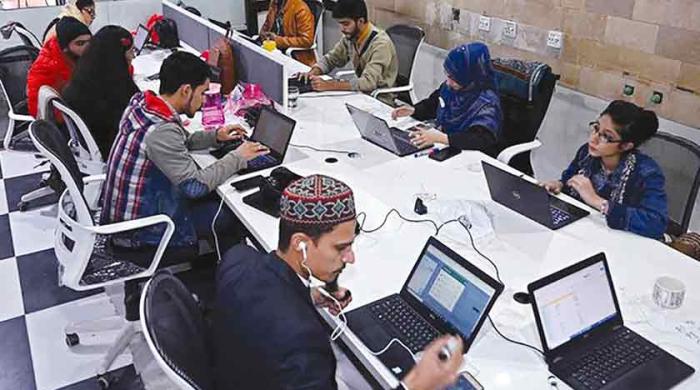
With data and technology, BISP has continually improved its delivery systems to be more accessible and responsive to the needs of its target population, and relies on the National Socio-Economic Registry (NSER) to identify and enrol eligible families, using a biometric verification system when making payments. Beneficiaries receive their payments after biometric verification via their thumbprint at ATMs or point-of-sale agents.
The programme has significantly strengthened women's empowerment and their participation in electoral processes and has been successful in mitigating the negative impact of poverty on households as well as protecting them against shocks. Its Conditional Cash Transfer programmes have a positive impact on human development, including school enrollment for poor children and improvements in health and nutrition. During the devastating floods of 2022, BISP disbursed Rs70 billion in emergency cash assistance, providing Rs25,000 each to 2.8 million affected families.
Over the past 15 years, the respective governments, with the financial and technical assistance of the World Bank and Global Development partners, have made significant investments in its social protection systems and built strong legal and institutional arrangements. Pakistan’s social protection system expands to provinces and provincial governments are in the process of establishing social protection programmes and delivery systems.
Federal and provincial governments need to align social protection programmes as core components of policies and development agendas and adapt an integrated approach towards social protection programmes, with effective partnership and collaboration.
The provinces need to benefit from the effective data and delivery chain system of BISP, avoid duplicating services and avoid politicising pro-poor social policies for political gains. Aligning social protection programs with political gains may affect the resilient recovery, rehabilitation and reconstruction phase and hinder the pace of sustainable development.
The writer is a governance and social policies expert based in Islamabad. He can be reached at: [email protected]