Print Story
X




The reduction in fuel prices has done something more profound than altering bank accounts
| B |
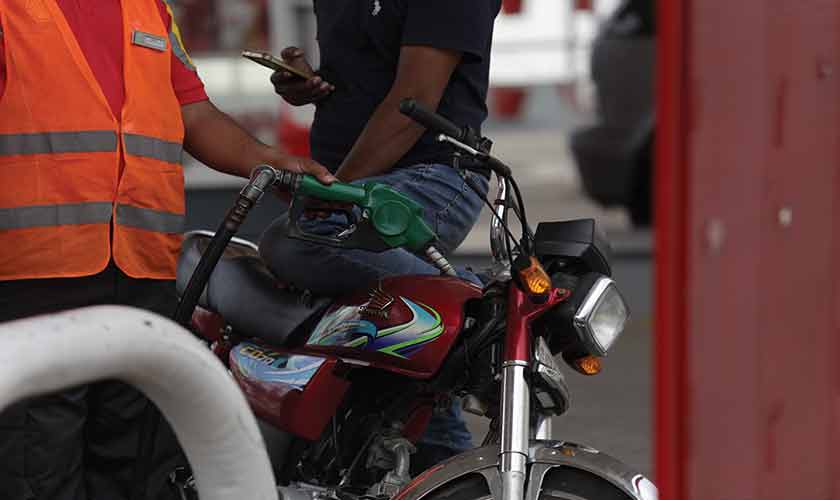
y 6:30 am, the Ferozepur Road artery is already pulsing with the jittery energy of a working-class morning. Sajjad checks the fuel gauge of his red Honda CD-70. For the last two months, turning that ignition key felt like a financial extraction. When petrol was scraping a dizzying Rs 373 per litre, every kick-start was a calculation between a kilo of flour or five kilometres of tarmac.
But overnight the government slashed the petrol price, bringing it down to just Rs 299.
Sajjad pulls into a local pump and hands three blue, thousand-rupee notes to the attendant. Usually, the nozzle would click shut with agonising speed, barely wetting the bottom of the tank. Today, the digits on the display roll past three litres with room to spare.
“Tanki full?” the attendant grins, his own uniform smelling of petroleum and shared validation. “Full,” Sajjad says, grinning. As he rides towards the industrial estate of Kot Lakhpat, the extra cash remaining in his pocket transforms from an abstract economic policy into something tangible: tonight, there will be fresh seasonal mangoes for his children, bought straight off the wooden carts without the usual haggling.
By mid-morning, Bashir Ahmad sits cross-legged in his wholesale plastic-ware shop in Shah Alam Market, watching a loader stack heavy crates onto a Suzuki pickup. For months, the price of high-speed diesel — which peaked brutally above Rs 378 — had acted like an invisible tax on every plastic bucket moving out of his shop. Distributors were angry; retail shopkeepers from Ichhra were buying only what they could sell in 48 hours. The city’s commercial circulation had slowed to a cautious crawl.
“They’re taking Rs 67 off the diesel price today,” Ahmad remarks to his neighbour, pouring tea from a tarnished thermos. “The transport union already sent a message. Freight from the Karachi port is adjusting.” The reduction feels like a sudden thinning of Lahori blood, allowing it to pump faster through the city’s trade arteries.
A few kilometres away, the mid-day heat hums over the university campuses and tech hubs of Johar Town. In a small, air-conditioned software house, 23-year-old Ammar stares at his banking app. He is three months into his first job as a junior developer. Living in Garhi Shahu has meant a daily, gruelling 30-kilometre round trip.
His entry-level salary, once a proud figure on paper, was being systematically devoured by the pump. Commuting swallowed nearly a third of his paycheck; the rest went to his mother for house expenses. For months, ‘going out’ meant standing by a tea stall, nursing a single paper cup of chai. Today, however, after looking at the notification of the price drop, he opens a WhatsApp group chat with his university friends. “Coffee tonight? My treat for the first round.” The price drop has effectively given him a raise, a quiet buffer that shifts his early twenties out of pure survival mode and back into the realm of shared laughter and friendships that don’t have to be rationed by the kilometre.
Further south, in the quiet afternoon residential blocks of Model Town, for Ayesha, a home-maker and mother of two, the monthly household allowance provided by her husband had become a source of great stress. In a sprawling city like Lahore, where schools, grocery stores and extended family are separated by vast roads, driving is a logistical necessity. Yet, for the past year, her allowance was vanishing directly into her Alto’s fuel tank, leaving almost nothing for small personal joys. She had begun grouping her errands with military precision, feeling a spike of guilt every time a school pick-up involved an unexpected detour.
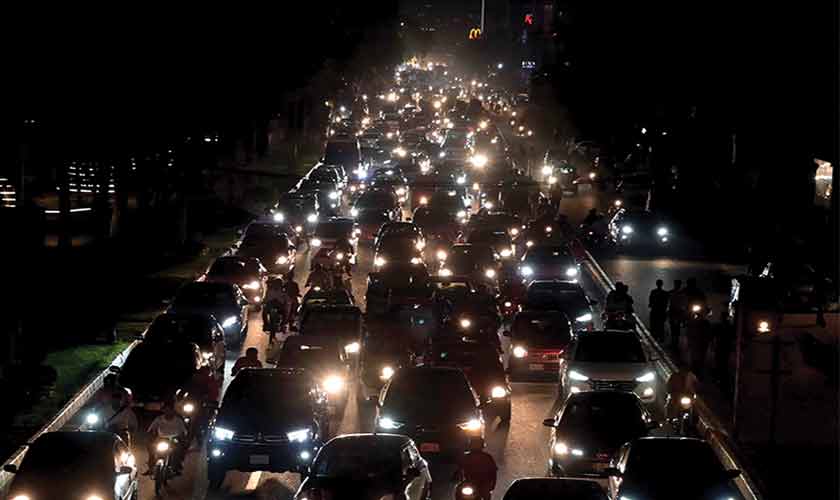
From the narrow, historical alleys of the Walled City to the commercial hubs of Shah Alam, and out to the quiet suburban blocks of the elite, a collective sigh of relief has rippled through the evening traffic.
Today, as she drives towards the market, the pump receipt on her passenger seat shows a saving of nearly three thousand rupees on a full tank. It represents a restored boundary of personal autonomy. She stops by a local boutique, picking up a brightly coloured unstitched suit just because she likes the pattern.
| A |
As afternoon transitions into the golden haze of dusk, the city’s focus sharpens on its most tender vulnerabilities. Near the crowded pharmacy counters outside Mayo Hospital, Ali, a schoolteacher, stands holding a prescription slip for his aging father. His father requires a steady regimen of imported blood thinners.
For the past six months, just getting his father to the specialist in a hired ride cost a small fortune. Ali had been forced to borrow money twice just to clear the hospital’s consultation fees. Today, the money he didn’t spend at a petrol station on his way here is exactly the amount needed to cover his father’s premium neurological supplements.
On the other side of the city, in DHA Phase 5, in a sunlit kitchen overlooking a small lawn, Zainab is cross-checking her digital ledger. Her boutique baking business depends on three delivery riders who crisscross Lahore from morning till night, carrying artisanal cakes to corporate offices in Gulberg. Under the old fuel regime, her delivery margins had been completely erased. She had faced the classic upper-middle-class dilemma: raise prices and risk losing a client base that was already cutting back, or absorb the loss and watch her small business wither.
She looks out the window as her lead rider pulls into the driveway, removing his helmet. “The pump near the bypass was a sight to see, baji,” he says, handing her the receipt. “And the total was almost seven hundred rupees less than last week.” The Rs 74 reduction acts like a stabilising fluid for businesses like hers.
The same evening, Nasir, a rickshaw driver, parks his vehicle near the metro station staircase. For months, his life was a zero-sum game played out in litres and loose change. Passengers would scream when he asked for an extra fifty rupees to cover the cost of petrol. He would return home with empty pockets and a bitter taste in his mouth.
He pulls out a cloth to wipe down his dashboard. Today, his regular passengers seemed less combative. Because his own fuel costs have dropped significantly, he hasn’t had to fight over every fare.
The reduction in fuel prices has done something more profound than altering bank accounts. From the narrow, historical alleys of the Walled City to the commercial hubs of Shah Alam and out to the quiet suburban blocks of the elite, a collective sigh of relief has rippled through the evening traffic. As the stars disappear behind the city’s perpetual haze, Lahore moves a little more smoothly, carried forward by a sudden, unexpected surplus of fuel and hope.
Nadia Ahmed Uqaili is a content strategist with over five years of global agency experience. She also writes short fiction on Substack. She can be reached at [email protected]