Print Story
X




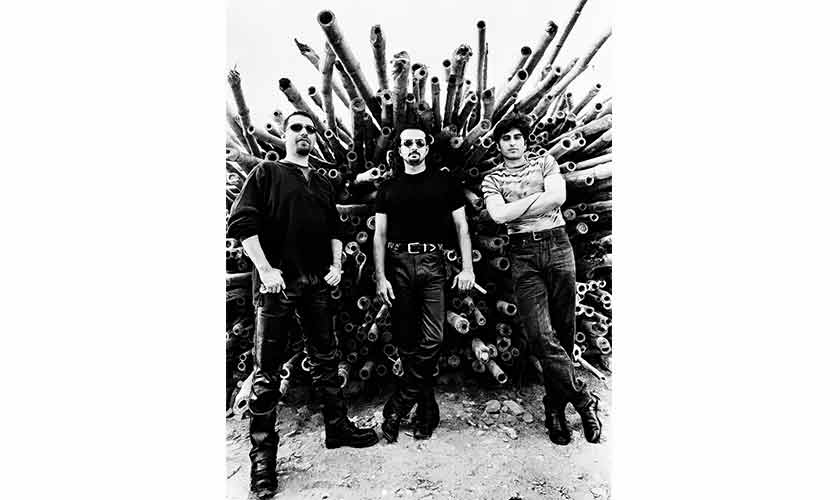
From chart-topping hits to bands that transformed the country’s music scene, Pakistan’s pop boom of the 80s and 90s created artists whose music continues to find new listeners decade after decade. Think you know your music history? Let’s find out.
1. Which song helped establish Vital Signs as Pakistan’s biggest pop band and became an enduring national favourite?
a) ‘Aitebar’
b) ‘Dil Dil Pakistan’
c) ‘Tum Mil Gaye’
d) ‘Sanwali Saloni’

3. Which two singers formed the core lineup of Awaz before embarking on successful solo careers?
a) Haroon Rashid and Faakhir Mehmood
b) Ali Azmat and Salman Ahmad
c) Faisal Kapadia and Bilal Maqsood
d) Ali Haider and Sajjad Ali
5. Sajjad Ali’s beloved song ‘Babia’ is best remembered for celebrating what?
a) A journey through Pakistan’s
northern areas
b) The innocence and joy of
childhood
c) A political movement
d) The life of a travelling musician

2. Junoon is widely credited with pioneering which musical style in Pakistan?
a) Classical fusion
b) Electronic dance pop
c) Jazz fusion
d) Sufi rock

4. Nazia Hassan first achieved international fame after singing which hit song for a Bollywood film?
a) ‘Boom Boom’
b) ‘Disco Deewane’
c) ‘Aap Jaisa Koi’
d) ‘Dum Dum Dee Dee’

6. Ali Haider became one of Pakistan’s biggest pop stars during the ’90s with which memorable hit?
a) ‘Sayonee’
b) ‘Chandni Raatain’
c) ‘Garaj Baras’
d) ‘Purani Jeans’
Answers
1. The correct answer is b.
Few songs in Pakistan’s musical history have left as lasting an impact as ‘Dil Dil Pakistan’. Released by Vital Signs in the late ’80s, it quickly turned the group into a household name and helped define a new chapter in the country’s musical landscape. At a time when original pop was still carving out space for itself, the song’s infectious melody and patriotic sentiment struck a chord with audiences of all ages. Its popularity carried over to the band’s debut album, Vital Signs 1, inspiring a generation of young musicians to create original music. More than three decades later, ‘Dil Dil Pakistan’ remains an enduring symbol of an era that changed the direction of Pakistan’s pop industry.
2. The correct answer is d.
Junoon broke new ground by combining rock music with South Asian traditions and drawing inspiration from Sufi mystics while incorporating the classic and eastern poetry of Shah Hussain, Allama Iqbal and Bulleh Shah, giving birth to what became known as Sufi rock. Led by Salman Ahmad alongside the individualistic Ali Azmat and the groovy Brian O’Connell, the band created an unmistakable sound that resonated with listeners across borders. Songs such as ‘Sayonee’, ‘Saeein’, ‘Ghoom Tana’, ‘Lal Meri Pat’ and ‘Saqi Nama’ remain iconic examples of Sufi rock and staples of Pakistani rock playlists decades after their release. Through its juxtaposition of spiritual themes and contemporary rock, Junoon demonstrated that both could exist side by side. In doing so, the band earned international acclaim and left behind a legacy that continues to influence musicians across the region.
3. The correct answer is a.
Awaz emerged as one of the defining pop acts of the early ’90s, with Haroon Rashid and Faakhir Mehmood co-fronting the group while iconic guitarist Asad Ahmed helped shape its signature sound through memorable riffs. Their polished production, catchy hooks and stylish music videos made them favourites among a generation growing up with an expanding television music scene. Although the band eventually parted ways, both Haroon and Faakhir went on to enjoy successful solo careers. Their best-known songs, including ‘Mr. Fraudiye’, ‘Janeman’, ‘Ay Jawan’, ‘Watan Kahani’ and ‘Diya’, combined memorable melodies with themes of patriotism, social commentary, heartbreak and youthful optimism, capturing the spirit of Pakistani pop during the decade. Asad Ahmed was also part of the early years of Coke Studio, a member of Karavan before the band disbanded and later pursued a solo career.
4. The correct answer is c.
Nazia Hassan announced herself to the world with ‘Aap Jaisa Koi’, recorded for the ’80s Bollywood film Qurbani. The song became an instant sensation and introduced audiences across South Asia to a fresh new pop voice at a very young age. Working alongside her brother Zohaib Hassan and UK producer Biddu, she followed this success with albums including Disco Deewane, Boom Boom, Young Tarang, Hotline and Camera Camera, along with several futuristic music videos.
Disco Deewane, in particular, charted internationally and became one of the best-selling Asian pop albums of its era. Nazia’s influence extended far beyond record sales, opening new doors for female performers and reshaping expectations of how far Pakistani artists could reach. Without Nazia and Zoheb Hassan’s entry into the filmy pop and electro-pop scene, there would have been no Vital Signs or Junoon, a claim both bands agree with.
Even though she passed away too soon, she inspired a generation of artists, including many who have recorded their own versions of her songs, such as Zoe Viccaji and, most prominently, Meesha Shafi in season 1 of Velo Sound Station.
5. The correct answer is b.
For many listeners, ‘Babia’ evokes memories of childhood with its playful lyrics and unmistakable melody. The song celebrates innocence, imagination and carefree moments, qualities that have made it accessible and popular across generations. Sajjad Ali’s career, however, has never been defined by a single hit. He has consistently experimented with different styles, mixing elements of pop, classical music and folk traditions into a sound that is distinctly his own. Songs such as ‘Chief Saab’, ‘Paniyon Mein’, ‘Sohni Lag Di’, ‘Cinderella’, ‘Har Zulm’, ‘Rang Laaga’ (with Sanam Marvi) and ‘Teri Yaad’ showcase that versatility and explain why he is still regarded as one of Pakistan’s most enduring singer-songwriters and remains popular with diverse audiences.
6. The correct answer is d.
Few songs capture ’90s nostalgia quite like ‘Purani Jeans’, Ali Haider’s signature hit. Built around memories of friendship and simpler days, the song became an anthem for countless young listeners and remains instantly recognisable today. He followed it with memorable songs such as ‘Zalim Nazron Se’, ‘Qarar’, ‘Baarish’ and ‘Sandesa’, building a catalogue entrenched in melody, romance and relatable storytelling. Together, those songs secured Ali Haider’s place as one of the defining voices of Pakistan’s pop boom.