Print Story
X




Pakistani cinema is no longer sitting quietly on the sidelines of the global entertainment industry. Between recent film festival hits and local directors landing major international gigs, the last few months have proved an important truth: Pakistani stories are no longer contained by borders. The real challenge is not getting noticed, but keeping this momentum going both at home and abroad.
| F |
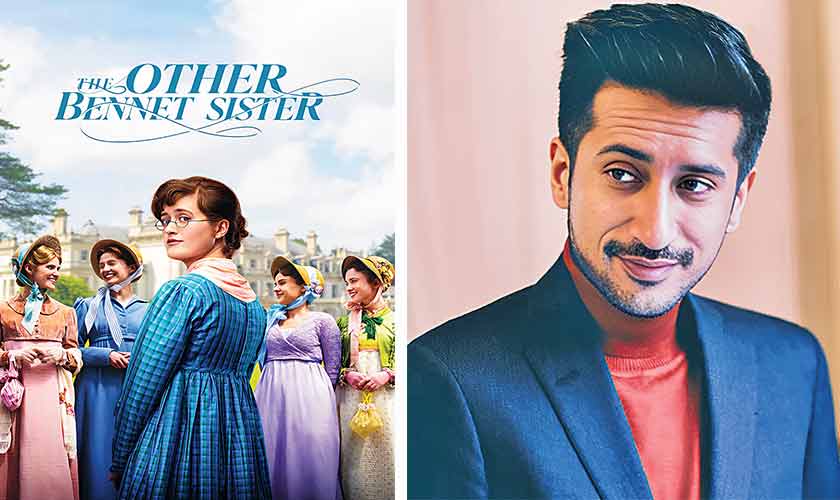
or years, Asim has been rewriting the rules of what Pakistani storytelling can be. He gave us Cake, one of our most emotionally moving family dramas and then pushed television into darker, bolder territory, first with Churails and later (and in a much different style) with Barzakh. His work is hard to define, moving between deeply personal moments and dreamlike surrealism with total ease. But his latest project is perhaps his biggest surprise yet, placing him right at the centre of a deeply beloved British literary world.
It was a happy revelation when it was announced that he co-directed the 10-part BBC and BritBox series, The Other Bennet Sister alongside Jennifer Sheridan. It was already on my watch list and I had been waiting for the entire season to finish before binging all of the episodes together. The series adapts Janice Hadlow’s bestselling novel, which shines a spotlight on Mary Bennet, the often-forgotten middle sister from Pride and Prejudice.
The story follows Mary as she steps out of the shadows of Meryton and travels to London and the Lake District in search of independence, purpose and love. Ella Bruccoleri leads a star-studded cast featuring Ruth Jones, Richard E. Grant, Indira Varma, Dónal Finn and Richard Coyle.
What makes Asim’s involvement so compelling is just how naturally his storytelling instincts click with Austen’s world. His previous work has always been brilliant at digging beneath the surface of polite society to explore the things we usually hide: family tension, longing and emotional repression. As it turns out, those are the very qualities that make Jane Austen’s stories so classic and resonant.
The response has been strikingly strong. Critics have praised the show’s warmth, emotional intelligence and Ella Bruccoleri’s beautifully nuanced performance. It is currently sitting at 96 percent on Rotten Tomatoes, a film review aggregator, with several reviewers calling it one of the freshest takes on Jane Austen in years.
For Pakistani audiences, this is significant because it redefines what representation looks like. This isn’t about just checking a box or being included as a novelty. It is about actively helping to shape how these stories are told.
Asim’s involvement also highlights a much bigger shift happening across the industry. Global streaming platforms are finally looking beyond the usual Western talent pools. Instead of hiring directors with standard, predictable resumes, they are actively searching for filmmakers who bring a distinct vision to the table.
That is exactly why this matters. Every time a creator breaks through like this, it helps dismantle those outdated assumptions about what Pakistani storytellers can achieve and how far their creative authority can reach.