Print Story
X




The three Kalash valleys have been added to the UNESCO World Heritage Tentative List.
| T |
he remote Kalash valleys in Khyber Pakhtunkhwa have been added to the UNESCO World Heritage Tentative List, marking a significant milestone in Pakistan’s cultural and heritage conservation efforts and bringing international recognition to one of the world’s oldest living indigenous communities.
With the inclusion of the Kalasha Cultural Landscape, the number of Pakistani sites on UNESCO’s Tentative List has increased to 29. Officials describe the development as “historic.” It is for the first time that an entire community from Pakistan and its traditions, beliefs and social system have been recognised in this manner.
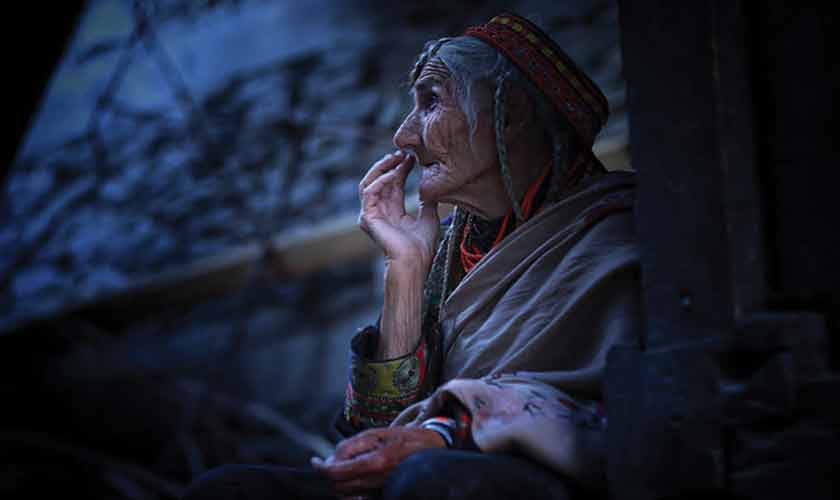
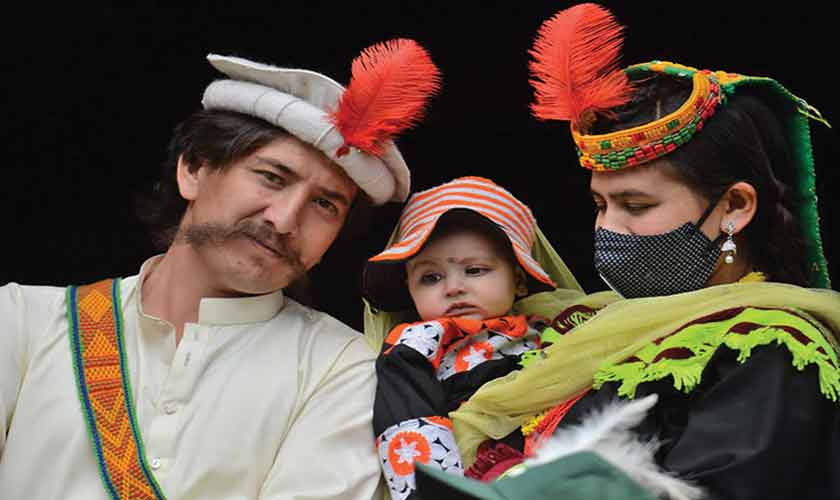
Nestled in the rugged Hindu Kush mountain range of Chitral district, the three Kalash valleys, Bumburet, Rumbur and Birir are home to the Kalasha people, a small indigenous community - less than ten thousand people - known for its distinct culture, ancient traditions, colourful festivals and unique polytheistic belief system.
Geographical isolation has played a key role in preserving the Kalash identity for centuries. Surrounded by towering mountains and difficult terrain, the valleys have remained relatively protected from outside influences, allowing the community to maintain its traditional way of life.
The UNESCO nomination describes the Kalash Cultural Landscape as an “exceptionally well-preserved and continuously inhabited high mountain cultural environment” where daily life, religious practices, agriculture and community governance continue to operate according to centuries-old traditions.

Unlike archaeological sites frozen in history, the Kalash valleys represent a living and evolving cultural system where traditions are still actively practiced. The nomination highlights the close relationship between the Kalash people and their natural environment, saying the landscape has evolved through a deeply rooted connection between the community, its belief system, settlement patterns and surrounding ecology.
The cultural landscape includes more than 140 documented ceremonial sites, ritual platforms, ancestral graveyards with distinctive wooden carvings and traditional settlements. These sites continue to hold social and spiritual significance within the collective memory of the community.
Dr Abdul Samad, the director general of Archaeology and Museums in Khyber Pakhtunkhwa, says the inclusion is a “landmark achievement” for the province and the country.
“This is one of the major achievements of the Directorate General of Archaeology and Museums, Government of Khyber Pakhtunkhwa,” he told The News on Sunday. “It accords international recognition to the unique living heritage of the Kalash community and brings global visibility to Khyber Pakhtunkhwa and Pakistan.”
Dr Samad said the recognition was expected to create new opportunities for local communities through responsible cultural tourism and sustainable economic activities.
“We expect major benefits for local communities through responsible cultural tourism, employment opportunities, local handicrafts, hospitality and international attention,” he said. “Heritage tourism can become a strong source of sustainable economic growth for the region.”
The UNESCO recognition could significantly increase international interest in the Kalash valleys, which are already among Pakistan’s most unique tourist destinations due to their rich traditions, festivals, architecture and scenic beauty.
Every year, thousands of domestic and foreign tourists visit the valleys to witness traditional Kalash festivals such as Chilam Joshi, Uchau and Choimus. Community members continue to wear traditional attire, practice ancient rituals and celebrate seasonal festivals that reflect their spiritual and cultural identity.
Their rich heritage aside, the Kalasha people face numerous challenges, including climate change, increasing modernisation, migration and pressure from unplanned development.
Dr Samad warned that these threats could gradually erode traditional lifestyles and cultural practices if adequate conservation measures were not implemented.
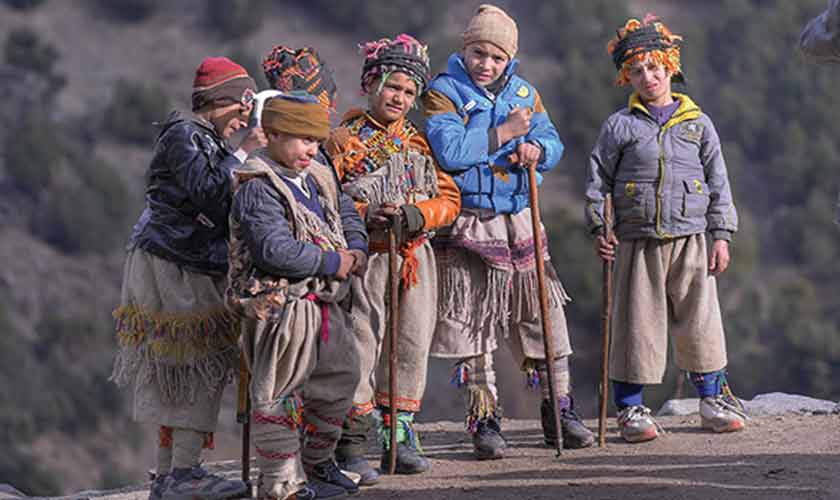
“The major challenges include climate change, modernisation pressures, unplanned development and the gradual loss of traditional practices,” he said. “UNESCO recognition will help strengthen conservation efforts, international collaboration and long-term protection of this unique cultural landscape.”
He said the inclusion in the Tentative List is only the beginning of a long and technical process required for full World Heritage status.
“The next step is the preparation of a comprehensive UNESCO nomination dossier, including conservation plans, mapping, documentation and community engagement,” he said. “This is a highly technical process. It may take several years, but we are committed to achieving full World Heritage status.”
Dr Samad credited the achievement to years of coordinated efforts involving provincial authorities, local communities, federal institutions and international partners.
“This milestone reflects years of dedicated work by the Directorate General of Archaeology and Museums, Government of KP, along with support from local communities, federal institutions and international partners,” he said. “It is a proud moment for the KP and Pakistan.”
For members of the Kalash community, the recognition carries emotional and cultural significance beyond international prestige.
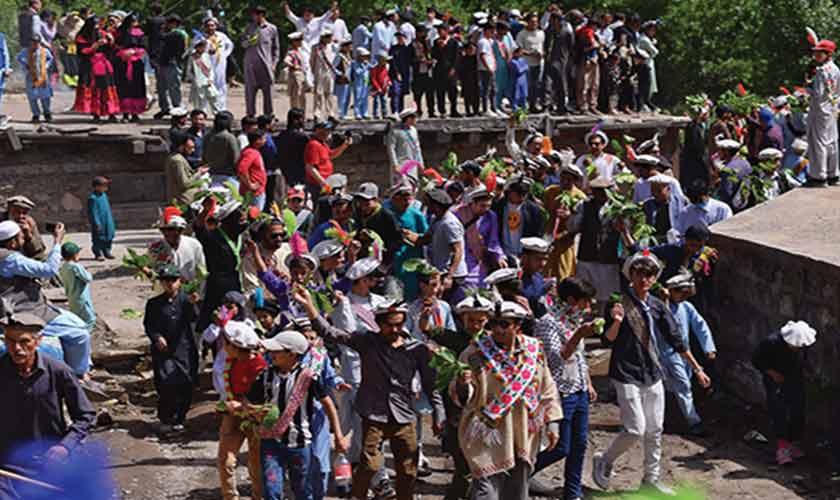
Muhammad Kashif, a resident of the picturesque Bumburet Valley, described the development as a moment of immense pride and happiness for the community.
Speaking to TNS, he said the UNESCO recognition would improve the international image of the Kalash valleys and attract greater tourism to the region.
“This recognition will increase the global visibility of the Kalash valleys and help promote tourism,” he said. “It might create development opportunities and improve the local economy.”
He also expressed hope that the recognition would contribute to the preservation of the Kalash community’s centuries-old traditions and cultural heritage.
Zareen Khan, a member of the Kalash community, has been associated with the Khyber Pakhtunkhwa Culture and Tourism Authority for the past 16 years. He described UNESCO’s inclusion of the Kalash Valleys on its Tentative List as a long-awaited milestone for the community.
“This recognition is something we have hoped for, for many years,” he said, adding that the Kalash people had long sought an international platform to help preserve their culture, traditions and way of life.
According to Zareen Khan, forced conversions and outside cultural influences have posed serious challenges to the community over the years. He noted that the growing influence of external groups had contributed to a gradual decline in the Kalash population and cultural identity.
He said the UNESCO recognition had brought immense joy to the community and expressed gratitude to the provincial government and the Department of Archaeology for their efforts to secure the status.
Zareen Khan said the move would help protect the Kalash Valleys as a cultural heritage area, enabling local residents to live according to their traditions with reduced outside interference. He added that the recognition would strengthen efforts to safeguard Kalash customs, religious practices and cultural identity for future generations.
He also said the community hoped to practice its faith and cultural traditions freely and peacefully in its ancestral valleys while gaining greater recognition of its distinct identity.
The writer is a multimedia producer. He tweets @daudpasaney