Print Story
X




What a princess who refused to leave during the Partition, a famous eye surgeon and several hockey legends have in common
| T |
here was a time when Gojra was known as one of the top three sites in the subcontinent for eye surgery. The town attracted patients from as far as Iran and Afghanistan.
Gojra was where legendary Dr Harbhajan Singh restored eyesight of thousands of people. He was known for his humane and God-fearing nature. His patients included the singer KL Saigol who visited Gojra in the 1940s.
In 1947, when Pakistan emerged on the world map, Gojra witnessed the exodus of its non-Muslim population to India.
Gojra also prides itself over a galaxy of hockey star – more than 120 national/ international players - including; Manzoor-ul Hasan, Rashid-ul Hasan and Tahir Zaman.
Until 1947, Gojra had a sizeable Hindu and Sikh population. Many of the villages surrounding it still carry their names. With the outbreak of Youtube v-logs, many people have been trying to tell what it was like before the Partition.
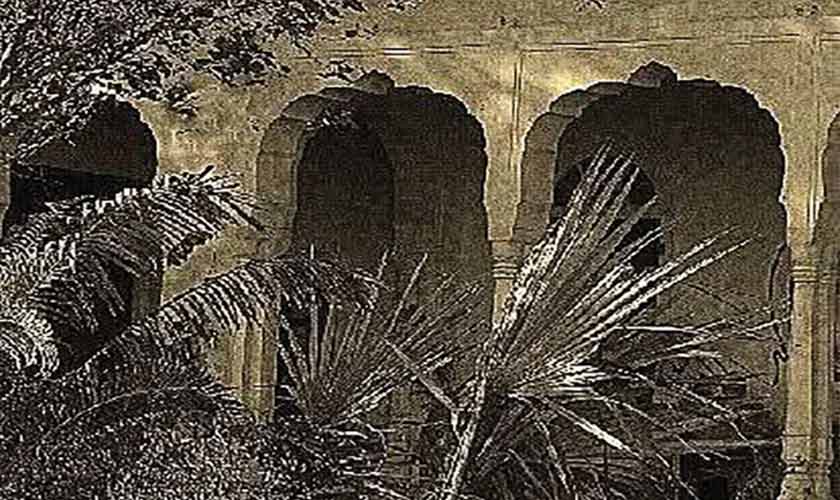
One of the stories is about a princess who once lived in the city with great style. She was Maharani Bhupinder Kaur. Her husband Sardar Hrarcharan Singh was an officer in the Air Force. The couple lived in a palatial haveli in the Pakka Dera area of Gojra.
Many people in Gojra believe that the Maharani belonged to Patiala. They are mistaken. She was indeed a daughter of the Maharaja of Jhind. In the end, she was brutally killed and her haveli was set on fire. She had not wanted to leave Gojra and had hoped that better sense would prevail.
Barrister Fraz Wahla, a former Punjab chapter vice president of Pakistan Peoples Party’s Youth Wing, currently based in Birmingham, says his family moved to the haveli in 1947 when they migrated from Gurdaspur.
He says the haveli was allotted to his family by the government. He says the ruins of the haveli stood as late as 1980s. His father MS Wahla, he says, was the PPP Gojra president and took part in the Movement for the Restoration of Democracy in the ’80s.
MS Wahla was arrested and jailed during the Zia regime. Fraz Wahla says in 1981 his father and mother, Umme Saleet Dhillon, a poetess and short story writer, were arrested. “I was three years old then. We spent the night in a lock-up. The next day we were released.”
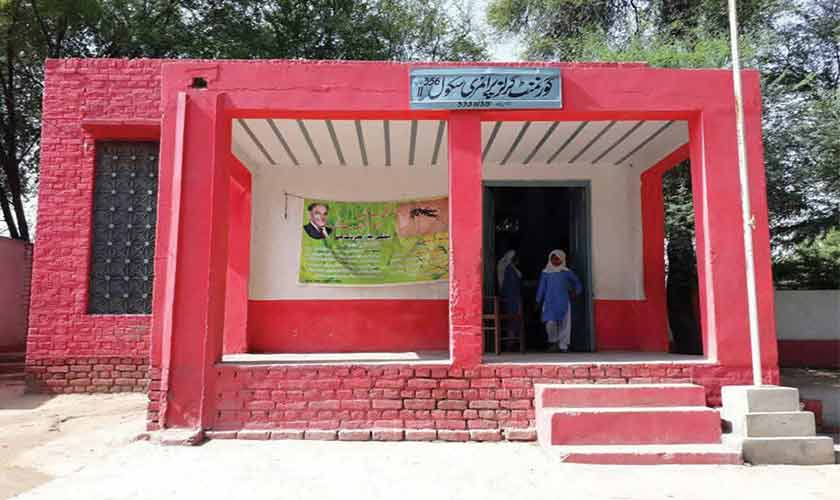
He believes he was the youngest prisoner among the MRD lot. He says MS Wahla was aware of the haveli’s past and tried to maintain it. When the structure collapsed, he helped set up a girls school in the memory of the slain princess.
“My father donated the land and requested the government to build a school there. It was a humble tribute to the princess who had loved the area and refused to leave the city amid riots.”
MS Wahlah paid the salaries of the teachers for a few years. Later, the government took over and turned it into a primary school.
“A few years ago, Ranpreet Singh Bal, a Sikh man related to the slain princess, visited Gojra from Canada. He was hosted by the Wahla family,” says Fraz. “He told me that the princess’s father had visited Pakistan and met the-then inspector general of Punjab Police to trace the murderers. The effort went in vain.”
Lawyer Bashir Ahmad says that Wahla family’s dedication to the memory of the slain princess speaks of their spirit of generosity and humanity. “Hundreds of girls now go to school where a grand haveli once stood.”
Fraz Wahla says they plan to erect a memorial sculpture at the school.
Altaf Hussain Asad is a freelance journalist. He can be reached at altafhussainasad @gmail.com