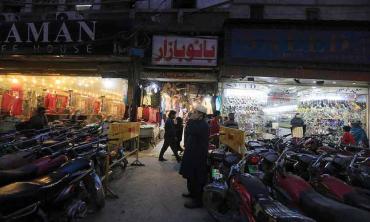
Print Story
X




As Basant is revived amidst strict safety precautions, it is hoped that Lahore can reclaim this cultural treasure — provided we return to the ‘daylight’ discipline and traditional materials that once made it a peaceful, communal joy
| A |
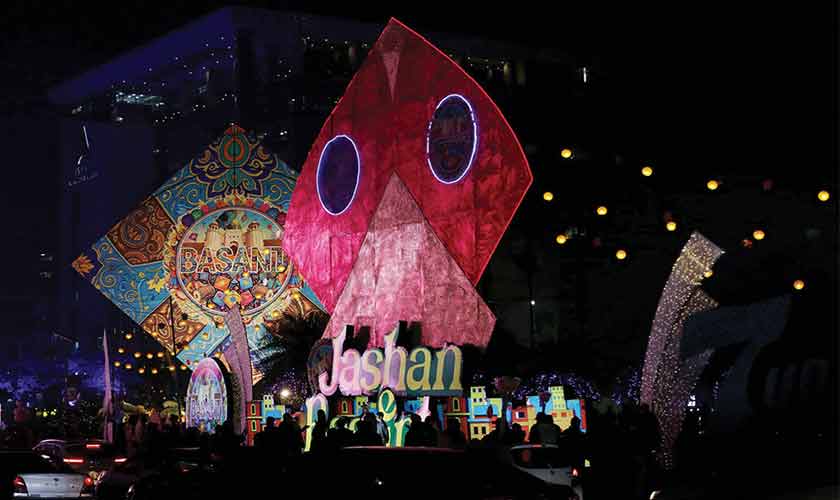
s the nation celebrates the return of Basant, the joy is mixed with apprehensions.
First, it must be clearly understood that Basant is celebrated on the first day of spring, and not night, which it was wrongly turned into, before being officially banned. The first night of spring is still quite chilly, whereas Basant signifies the flight of cold — no wonder, they say, “Basant, paala ulant!” (With Basant, the chill departs.)
Basant is a vibrant tapestry of mustard-yellow dresses, festive music and kite-filled skies. However, this joy was often marred by tragedy. Fatal accidents — ranging from flyers falling off unprotected rooftops to the lethal, glass-coated twine (dor) slitting the throats of unsuspecting motorcyclists — forced authorities to ban one of the Punjab’s most beloved festivals.
The late Pran Nevile, a legendary chronicler of Lahore, once took me to a rooftop on Nisbet Road where an expert flyer had lost his life by overstepping a peripheral wall. My own brother, Commander Imtiaz Anwar, suffered a fractured fibula after attempting a shortcut between rooftops rather than using a ladder. It was a huge price for a moment’s haste, highlighting the inherent risks of the sport in a crowded city.
Old Lahore was a different world. It was a city of trees where entangled kites became treasures for neighbourhood children. Built on a man-made mound of ancient debris, Lahore was once a pedestrian haven. The arrival of modern transport and roads outside the Walled City led to a significant loss of flora and fauna, changing the very backdrop of the festival.
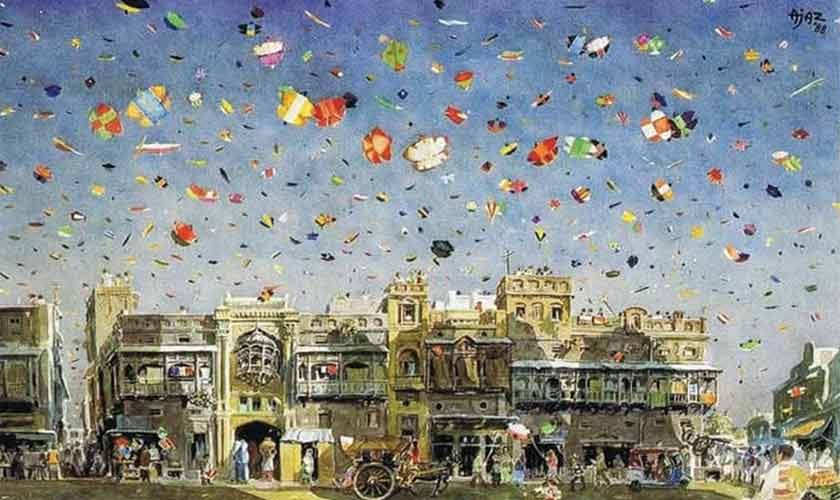
Rooftops have always been the heart of Lahori life — used for flying pigeons, drying laundry or flying kites. Interestingly, there was a code of honour: flyers and pigeon enthusiasts kept their eyes fixed on the sky, never ‘ogling’ their neighbours. The barsati (rooftop shelter) served as the perfect sanctuary for these hobbies.
Kite-flying likely originated in China, but it was the Arabs who, after learning paper-making techniques from Chinese prisoners, revolutionised the art of the book. In the Subcontinent, Mughal and Pahari miniature paintings frequently depict the sport, and while Kankawe flying was a staple of Lucknow culture, Lahore eventually became the undisputed hub of Basant.
| W |
hen we exhibited our paintings at the India International Centre in Delhi, we decorated the gallery with dozens of Lahori kites. The Indians were captivated by the designs — the Patang, Teera, Koop and Machhar. It was a clear testament to Lahore’s creative dominance in the craft.
The ‘original’ Basant used cotton twine coated with wheat glue and finely ground glass. It was sharp enough to cut a rival’s line but safe enough to be snapped by hand. The downfall began with the introduction of nylon and metal wires, reinforced with deadly chemicals.
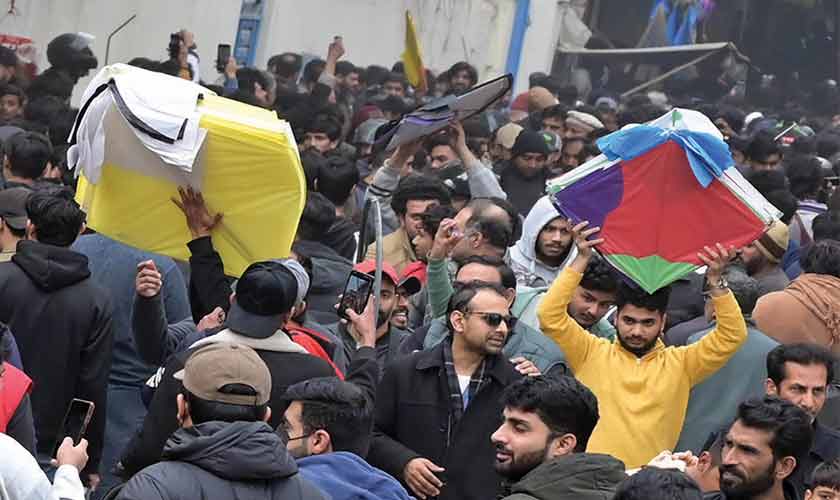
The commercialisation of the festival further eroded its spirit. Corporate interests began renting high-rise roofs in the Walled City for Night Basant, replacing the sun with blinding searchlights. This was a far cry from the Basant of my youth on Nicholson Road, where we watched millions of VIBGYOR-coloured kites dancing near the minarets of the Badshahi Masjid in clean, unpolluted air.
In those days, once the festival ended, the kites vanished. It was a season, not a permanent hazard. Now that Basant is being revived with strict safety precautions, one hopes that we can reclaim this cultural treasure — provided we return to the daylight discipline and traditional materials that once made it a peaceful, communal joy.
The column is dedicated to Masud Hayat, a kite flying enthusiast
Dr Ajaz Anwar is a painter, a founding member of Lahore Conservation Society and Punjab Artists Association and a former director of NCA Art Gallery. He can be reached at [email protected]