Print Story
X

| F |
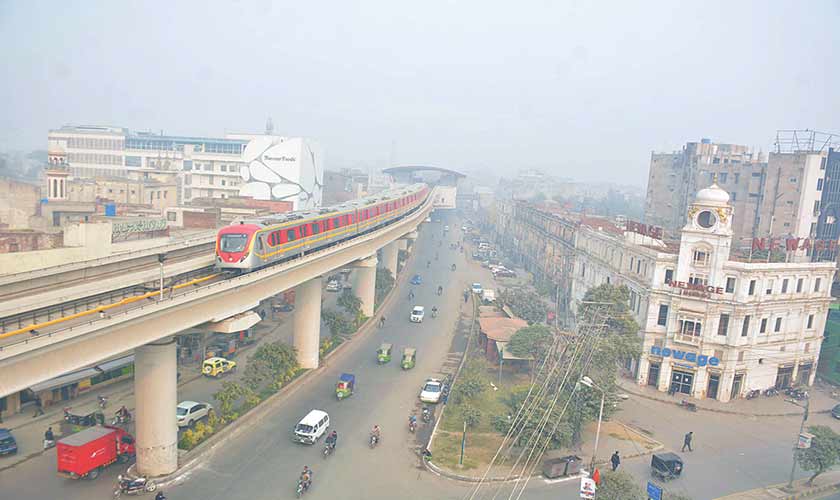
irst impressions of Lahore can be deceiving. For someone arriving from Karachi in winter, the biting cold and impenetrable fog might seem hostile, even frightening. The city swallows visitors in its grey embrace, revealing nothing of the warmth that lies underneath. Breath escapes in clouds of vapour. Visibility drops to mere feet. Many leave with poor impressions.
Lahore doesn’t reveal itself easily. It demands patience, curiosity and a willingness to look beyond the surface. Those who dismiss it too quickly, put off perhaps by the fierce pride Lahoris take in their city, miss the point.
This is not just any city. Lahore was the seat of government for the entire subcontinent for nearly a thousand years. Mughals, Sikhs and the British Raj all ruled from here, each leaving their mark on its architecture and character. The Badshahi Masjid, the Lahore Fort, Shalimar Gardens, entire books could be and have been written on their histories.
The city’s oldest structures are ten times older than anything standing in Karachi. It houses South Asia’s oldest continuously operating business — a bakery that has served customers for generations in Anarkali, its ovens never cooling since the days of empire. Once someone begins exploring Pakistan’s history and archaeology, Lahore transforms from an ordinary metropolis into sacred ground.
Love for Lahore, for the unfamiliar, rarely strikes at first sight. It’s learned, cultivated through discovery. The city rewards those who take the time to understand it. Banter is an art form here, a measure of character the way professional success might be elsewhere. Conversations carry rhythm and wit; strangers become friends over wordplay.
The city pulses with colour: lush greenery against vibrant rickshaws painted in greens, oranges and blues; the faded grandeur of Mughal-era walls alongside modern glass towers; and unforgettably pink juice bars blooming in commercial areas.
In the shadow of the Badshahi Masjid, old Lahore comes to life at night. The Old City’s narrow lanes twist past havelis crumbling under their own weight, their carved wooden balconies hinting at former glory. This is where understanding transforms into love.
Whatever one loves, one misses when it’s gone.
Lahore’s challenges, however, complicate this affection. Smog has become a public health crisis, forcing children to breathe poison daily. Each winter brings air quality levels that rank among the worst on Earth, turning the romantic fog of memory into something toxic and cruel. Trees fall at alarming rates, erasing the greenery that once defined the city, sacrificed for widening roads and new housing schemes. Young hands that should hold books instead work looms and wash dishes. A triumphalist government can’t or won’t accept that these challenges even exist.
These realities make loving Lahore painful. The city is so beautiful that it deserves better. Its political importance, as the heart of the Punjab and, therefore, the heart of Pakistan, means its pains ripple outwards, affecting millions. What happens in Lahore shapes the nation. The city needs advocates, people committed to solving problems that can be solved.
Missing Lahore means more than nostalgia. It means yearning to see a great city rise to meet its potential, to watch its children breathe clean air and attend functioning schools, to witness its communities thrive as they were meant to.
Lahore has survived a thousand years of challenges. Invasions, partitions, floods, and political upheaval. With dedication and care, it can overcome these as well.
Umer Zaib Khan, an investigative journalist, is a former staff member