Print Story
X




Financial Renaissance: Franchise valuations triple as global investors chase the PSL dream New Titans: OZ Group and FKS Group secure debut slots for PSL-11
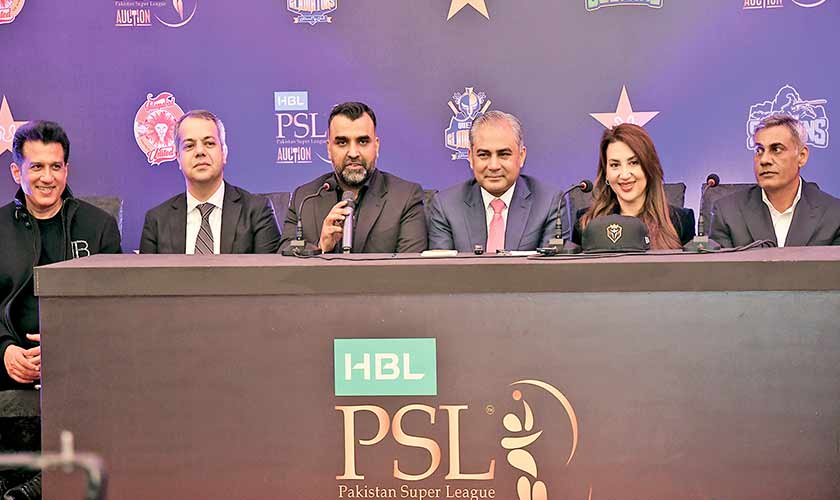
The Pakistan Super League crossed a historic threshold on Thursday as Sialkot and Hyderabad were formally inducted as franchises, completing the league’s long-anticipated expansion to eight teams and redefining the commercial, cultural, and strategic landscape of Pakistan cricket.
What unfolded at the HBL PSL Teams Auction in Islamabad was not merely an expansion exercise, but a statement of intent. Franchise valuations surged to unprecedented heights, foreign investment flowed in with renewed confidence, and the PSL announced itself as a mature, globally attractive sporting property rather than a developing league still seeking validation.
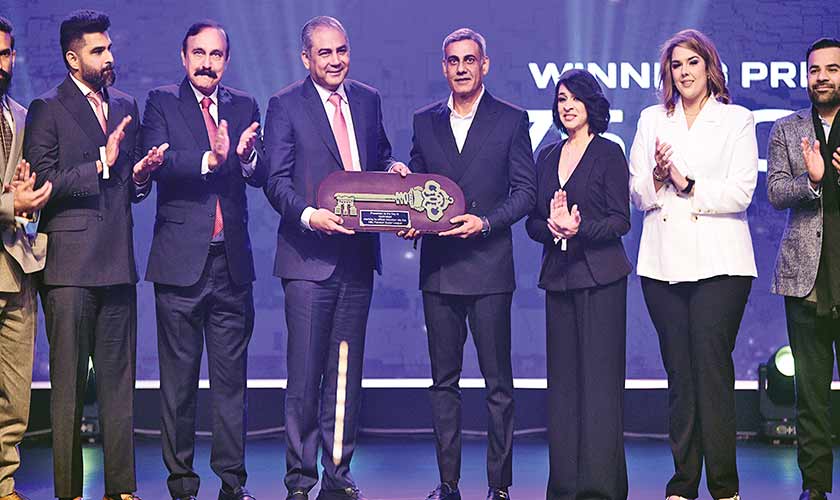
With PSL 11 scheduled from March 26 to May 3, the inclusion of Sialkot and Hyderabad signals a new competitive cycle, one driven as much by vision and sustainability as by star power and spectacle.
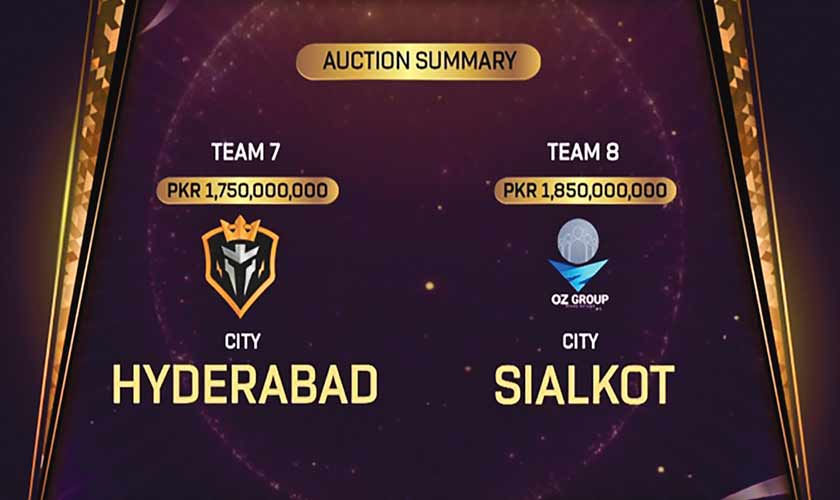
The financial numbers emerging from the auction stunned even seasoned observers. Sialkot was acquired by OZ Group for Rs1.85 billion per year, the highest annual franchise fee in PSL history. Hyderabad followed closely, secured by FKS Group for Rs1.75 billion per year, making it the league’s second-most expensive franchise.
To put the transformation into perspective, Hyderabad’s valuation alone is nearly three times higher than Lahore Qalandars’ annual fee of Rs670 million, previously the benchmark among active franchises. Combined, the two new franchises now command annual values comparable to three established PSL teams put together.
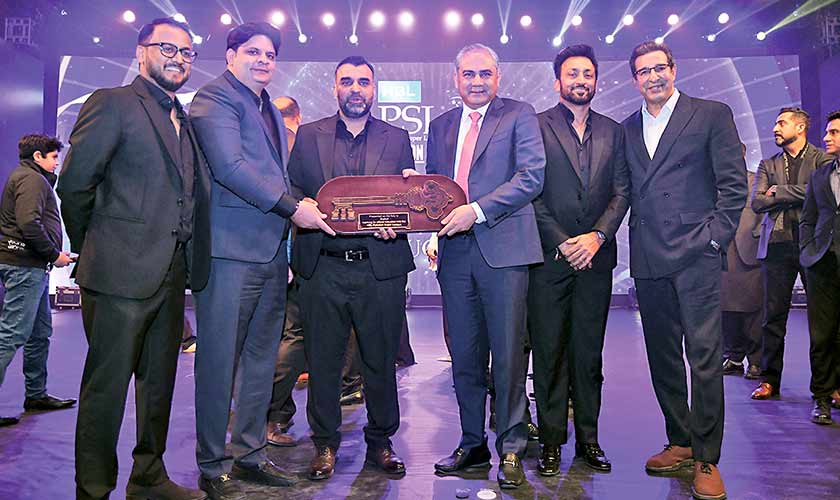
The PSL, once cautious and conservative in its early years, has entered a phase where market confidence, broadcast strength, sponsorship depth, and diaspora engagement converge into tangible financial muscle.
PCB Chairman Mohsin Naqvi, addressing the media alongside the new owners, described the auction as “extremely competitive,” revealing that five US-based companies were among the bidders. Special measures, he emphasized, were implemented to ensure complete transparency. “This is not just a success for the PSL,” Naqvi said. “It is a moment of pride for the PCB and for Pakistan.”
More importantly, he framed the expansion as a long-term structural investment rather than a short-term commercial win. Infrastructure development in both Sialkot and Hyderabad, Naqvi confirmed, is already part of the league’s future planning, ensuring that expansion is matched with ecosystem growth.
The choice of cities is as symbolic as it is strategic. Sialkot, long synonymous with cricket manufacturing excellence and sporting heritage, represents industrial strength and sporting authenticity. Its inclusion restores a city that has shaped global cricket from behind the scenes to the game’s most visible platform.
Hyderabad, meanwhile, brings geographic balance and emotional resonance. A city historically rich yet underrepresented at the elite level, its induction bridges Pakistan’s cricketing heartland with its diaspora-driven future.
The ownership narratives reinforce the broader message of commitment over speculation. FKS Group President Fawad Sarwar, a US-based businessman with roots in Hyderabad, called the acquisition the fulfilment of a lifelong dream. His vision extends beyond winning matches, framing the franchise as a conduit for Pakistan–US sporting and commercial collaboration.
Similarly, Hamza Majeed, Chairman of OZ Group, underlined Sialkot’s deep connection to cricket and expressed confidence that the franchise would compete with ambition from its very first season. Their profiles were deliberately understated during the auction, a refreshing shift away from personality-driven ownership toward institution-first thinking.
The auction’s significance resonated beyond cricket. US Chargé d’Affaires Natalie Baker, present at the event, welcomed American investment in Pakistan cricket and described the convergence of Pakistan, the United States, and Australia through the PSL as a “positive signal.”
Her remarks highlighted a subtle but important reality: the PSL is increasingly functioning as a soft-power platform, attracting capital, confidence, and cooperation at a time when Pakistan seeks economic and diplomatic rebalancing.
Lahore Qalandars owner Atif Rana credited the PSL’s sustained rise to PCB Chairman Mohsin Naqvi and PSL CEO Salman Naseer, pointing to recent investments in stadium upgrades, infrastructure modernization, and grassroots cricket as the real drivers of long-term value.
It is this alignment, governance stability, infrastructure focus, and commercial clarity, that has transformed the PSL from a survival project into a growth engine.
Beyond numbers and names, the expansion to eight teams restores competitive symmetry, deepens the talent pool, and creates more opportunities for domestic players. It also strengthens broadcast inventory, enhances regional fan engagement, and opens doors for future expansion, with Naqvi already hinting at further growth.
The PSL is no longer asking whether it belongs among the world’s leading leagues. It is now shaping the terms of its presence. And with Sialkot and Hyderabad stepping onto the stage, the league’s next chapter promises not just more cricket, but more meaning.