Print Story
X




As Pakistan Idol moves into the top 12, Episodes 27 and 28 became a mirror for the season so far, reminding us of the performances and voices that have lingered long after the applause faded.

| E |
pisodes 27 and 28 of Pakistan Idol did not advance the competition.
They did something quieter and in many ways, more revealing. Designed as recap episodes of the Gala Rounds, they offered no new performances and no fresh critiques. Everything we saw had already happened. Every note had been hit and sung. Every judgement delivered. What these episodes provi-ded instead was memory.
A carefully arranged reminder of how far the contestants have come and who they have become along the way.
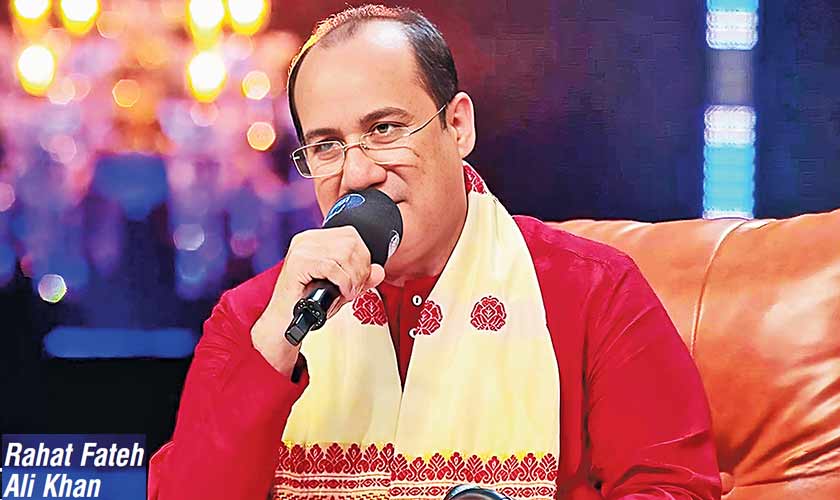
Episode 27 revisited the male contestants. Episode 28 turned its attention to the women. Seen together, they functioned less like con-ventional television episodes and more like a mirror held up to the season so far. This was not about discovery or surprise. It was about recog-nition.
About allowing viewers to sit with performances
that had already made an impression and to reassess favourites now that the noise of competition had softened.
In that sense, the recap format was not filler but framing. By stripping away urgency, these episodes allowed patterns to surface. Strengths became clearer. Limitations more apparent. Reputations felt heavier. The question was no longer who impressed in the moment but who lingered in memory.
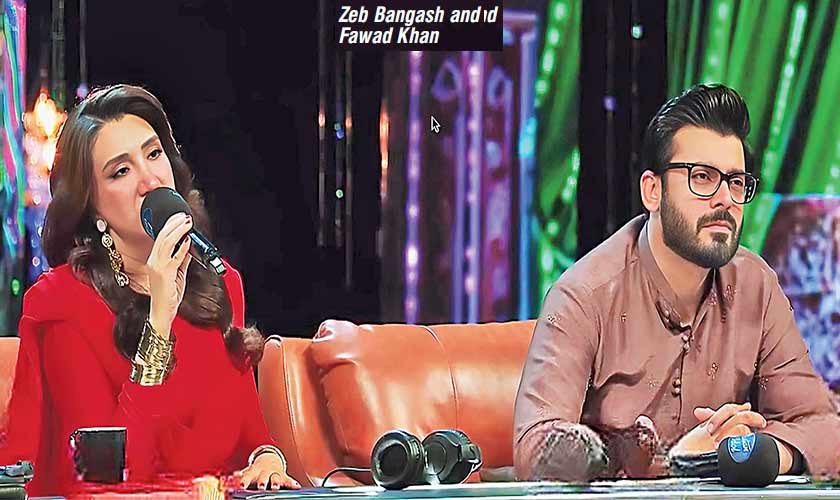
Across both episodes, the judges’ commentary rem-ained exactly as it had been delivered earlier in the season, but heard again it carried new weight.
Technique was assumed. Vocal ability was no longer remarkable. What emerged instead was a season incr-easingly shaped by sustain-ability. Emotional range. Adaptability.
The ability to grow without becoming trapped inside a successful formula. The recap did not change the narrative. It clarified it.
Episode 27
Episode 27 gathered the male contestants into a single retrospective arc, allowing viewers to revisit performances without the pressure of elimination or immediate judgement. Seen this way, the episode played like a collective character study.
Not who these contes-tants are trying to be, but who they have consistently shown themselves to be.
The opening male medley took on a different resonance in recap form. What once read as spectacle now felt like a marker of the competition’s shift away from purely vocal assess-ment. Judges’ repeated emphasis on camaraderie, presence and chemistry echoed more clearly this time. It underscored how stage intelligence has be-come inseparable from musical credibility.
Zain Baloch’s perfor-mance, revisited here, stood out as a moment of arrival. Even without the immediacy of live reaction, the sense of conviction remained intact. Minor technical slips, already acknowledged by the judges, faded further into insignificance.
The comparison to Jawad Ahmed’s vocal colour, felt less like a passing re-mark and more like context. What endured was the feeling that this was Zain stepping into ownership ra-ther than seeking validation.
Mehtab Ali’s golden mic moment, when replayed, revealed why it resonated so strongly. His performance was never about precision alone. It was about joy. Movement. Ease. Judges’ repeated references to happ-iness landed with greater clarity in hindsight. Mehtab’s comfort on stage is not accidental. It is cultivated and it translates into conn-ection rather than spectacle.
Waqar Hussain’s recap performances highlighted his defining trait: restless-ness. Moving away from a ghazal leaning sensibility into pop, he disrupted expectations without losing coherence. In retrospect, the judges’ praise for his experi-mentation reads as an endor-sement of artistic courage. Waqar’s arc is not about reinvention but about refusal to stagnate.
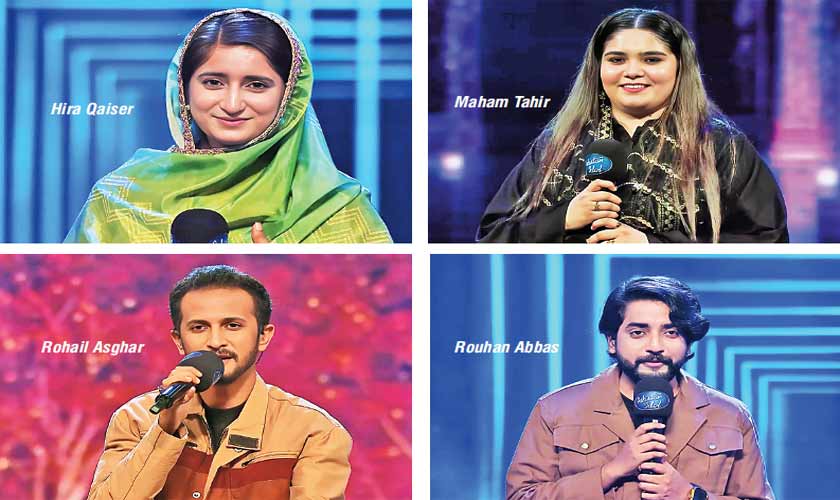
Rohail Asghar’s repea-ted return to melancholy felt more pointed in recap form. Without the momentum of week to week progression, the emotional intensity that once felt immersive now risked feeling fixed.
The judges’ divided res-ponse when replayed, clari-fied this concern. This was never about talent but about expansion.
Rohail’s challenge rem-ains how to grow without abandoning the emotional sincerity that defines him.
Aryan Naveed’s perfor-mance, upon further revi-sion, revealed its structural intelligence.
Judges’ comments about his physicality and musical architecture gained clarity without the distraction of novelty.
His ability to build ten-sion, work with instru-mentation and maintain control felt deliberate rather than instinctive. The Michael Jackson inspired flourish landed again as charm, not excess.
Nabeel Abbas’s stand-out moment retained its authority on repeat viewing. Opening with Bulleh Shah’s words, he reworked fami-liarity into something self assured. Judges’ praise for his tonal shifts and inter-pretative confidence felt even more justified in hindsight. This was not a performance buoyed by reaction but one that holds its own when revisited.
Rouhan Abbas’s folk rooted set benefited greatly from the recap format. The metaphor of carving a tunnel rather than walking a straight road echoed with renewed meaning.
His refusal to choose the obvious path felt intentional, grounded and personal. Without the pressure of comparison, his individuality stood taller.
The wildcard return of Muhammad Minam, felt less like an interruption and more like a punctuation mark. His balance of softness and melancholy resonated again, reminding viewers why emotional intelligence still carries weight in a competition increasingly shaped by strategy.
By the end of Episode 27, the recap achieved some-thing subtle. It shifted focus from momentum to memory.
These performances no longer needed to impress. They needed to last.
Episode 28
Episode 28 applied the same reflective lens to the female contestants.
It revisited performances already marked by restraint and emotional control. With-out the urgency of comp-etition, the episode became an exercise in atmosphere.
The opening medley, imagined as a journey thr-ough time and altitude, felt less theatrical on repeat and more thematic. It reinforced the idea that this round was never about volume. It was about temperament.
Merub Javilin’s perfor-mance, revealed its quiet complexity. The balance between festive rhythm and introspective melody held steady. Judges’ comments about the difficulty of the genre, particularly the flute driven outro, resonated more clearly without dis-traction. Merub’s strength lies in her refusal to over-state emotion.
Hira Qaiser’s perfor-mance benefited from repetition. What initially read as effortlessness now felt like discipline. Judges’ use of words like truth and ease made more sense in hind-sight. Her authority does not come from force but rather from consistency.
Maham Tahir’s expre-ssive joy translated seam-lessly into memory. Judges’ observations about her emotional agility felt earned. The way her personality enhances rather than over-whelms her singing remained her defining quality.
Rawish Rubab’s perfor-mance emerged as one of the most evocative when revisited. The description of her voice as a time machine gained depth on repeat viewing. Her ability to evoke an era without imitation is what allows her work to linger.
Tarab Nafees’s near flawless performance held its precision. Judges’ refer-ences to classical control and PTV era restraint under-scored her stylistic clarity. Her singing does not chase attention. It invites it.
Samya Gohar’s perfor-mance remained the epi-sode’s quiet centre. The comparisons to Nayyara Noor and Naheed Akhtar did not feel inflated when heard again. Judges’ declaration of her front-runner status land-ed with calm certainty rather than spectacle.
Romaisa Tariq’s elimi-nation, when revisited felt gentler, but no less instru-ctive. In a round defined by nuance, focus mattered. Her exit reminded viewers that timing and not talent, often decides outcomes.
Faryal Amber’s closing performance retained its bal-ance of delicacy and control. Judges’ comments about her melodic clarity resonated as markers of potential rather than promise.
Final reflections
Episodes 27 and 28 did not change Pakistan Idol. They reminded us what it already is. By revisiting performances without adding new material, the show allowed viewers to reconnect with their favourites and reassess the season’s emo-tional landscape.
These episodes were not about forward motion. They were about pause. About remembering why certain voices stayed with us. As the competition continues, Pak-istan Idol is no longer asking who impressed once. It is asking who must stay.