Print Story
X




Episodes 19 and 20 of Pakistan Idol unfolded like a carefully composed raag, each note deliberate and each pause laden with profound meaning.
| E |
pisodes 19 and 20 of Pakistan Idol moved with the assurance of something deeply rooted yet vibrantly alive, a stage where history and contemporary imagination coexisted without friction. These instalments were never merely about competition. They were a celebration of lineage, a homage to the voices that shaped Pakistan’s musical consciousness and a canvas for the resilience, versatility and quiet brilliance of this season’s performers. By blending classical tribute with modern interpretation and performances infused with raw honesty, the show created a seamless bridge between eras, reaffirming its role not simply as a television programme, but as a vital cultural heartbeat.
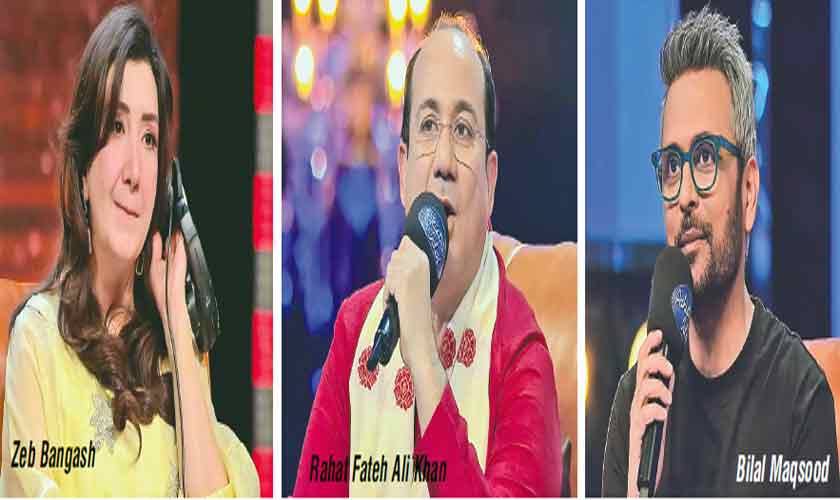
Episode 19 opened with quiet reflection. The host and judges invited viewers to linger on the enduring words of lyricists whose poetry whispers across generations even today. Nasir Kazmi, Ahmad Faraz, Qateel Shifai, Suroor Barabankvi and Masroor Anwar were invoked with reverence, their verses rising like faint, persistent echoes. Personal favourites such as Anwar Maqsood, Shoaib Mansoor, Khawaja Pervaiz and Jigar Moradabadi were recalled, emphasising the alchemy of poetry and music in shaping artistic journeys. The judges spoke with gentle authority about the lasting power of words, revealing how each couplet continues to seed inspiration in contemporary compositions. The performances that followed translated this reverence into sound, an intersection where technique met vulnerability and discipline converged with soul.
Rouhan Abbas opened the night with a compelling classical rendition of ‘Sanwal Mor Muharan’, paying tribute to his uncle Ustaad Shaukat Manzoor while performing a composition by Ustaad Salamat Ali Khan. His delivery carried both command and intimacy as he navigated the intricacies of the raag with notable assurance. Rahat described the performance as “blessed by God,” Bilal applauded the lingering soulfulness in each note, Fawad hailed it as Rouhan’s finest work so far and Zeb highlighted the concluding alaap that perfectly blended technical precision and emotional resonance.
Waqar Hussain followed with ‘Kabhi Kabhi Mein Sochta Hoon’ by Mehdi Hassan, which he reimagined through the lenses of funk, rock and pop. He navigated the space between tradition and experimentation with remarkable poise. The judges universally admired the balance of emotion and structure. Fawad underscored his innate control, Zeb commended the dynamic energy and Bilal noted the thoughtful architecture beneath the performance. It was innovation anchored firmly in respect, a dialogue with history rather than a departure from it.
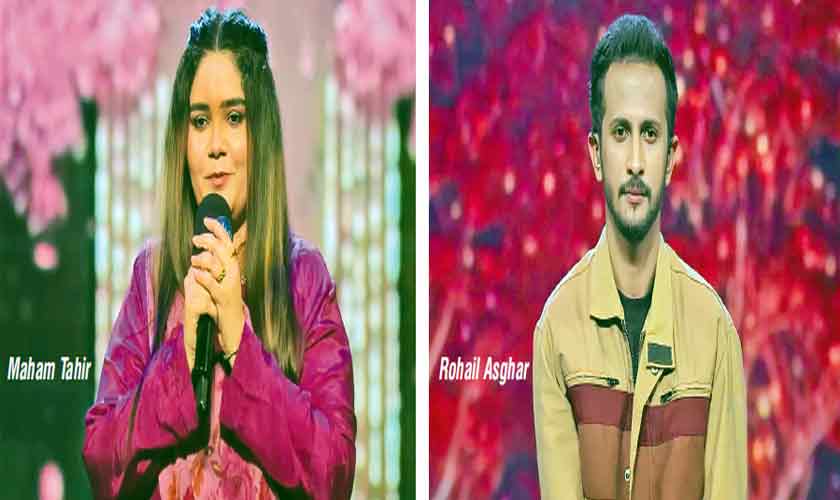
Closing the night, Maham Tahir performed Reshma’s ‘Kithe Nain Na Jodi’. Her delivery was authentic, deeply moving and powerfully evoked the tactile sense of longing embedded in the original composition. Standing ovations punctuated the moment, recognising not only her technical command but also the quiet, authoritative presence she brought to the stage. In her performance, the episode’s theme of honouring heritage while embracing individuality took shape in clear and resonant form.
Episode 20 carried forward the conversation between past and present. The judges reflected on the rising stakes and the narrowing margins separating the contestants, while Fawad urged each performer to remain anchored in their unique artistic voice and to trust the inherent texture and colour of their sound.
Rawish Rubab set the tone with Mehnaz Begum’s ‘Nigahein Mila Kar Badal Jane Walay’. Her phrasing revealed a delicate understanding of nuance, with each note glinting with subtle charm. The house band, led by Shuja Haider, layered the performance with rich textures that lifted the vocals. Fawad acknowledged the tonal richness and Zeb celebrated the effortless charm, while the audience was left immersed in a moment that felt simultaneously intimate and expansive.
Mehtab Ali performed Ustaad Nusrat Fateh Ali Khan’s ‘Ye Jo Halka Halka Suroor Hai’, finding a careful balance between reverence for the original and a personal interpretation. His rendition exuded confidence and restraint, serving as a meditation on individuality within the bounds of tradition. Rahat suggested refining his breath control for future performances, while Fawad and Zeb highly lauded the sincerity and contemplative quality that set his performace apart.
Hira Qaiser offered a nuanced rendition of ‘Tere Bina Rogi Hoye’, a composition by Ustaad Nusrat Fateh Ali Khan and Madam Noor Jehan, demons-trating versatility and rhythmic acuity. Her dedication to balancing motherhood with the rigours of rehearsals was evident in her polished delivery. Fawad encouraged her to internalise the beat more deeply, while Bilal recognised her significant growth, describing each note as a testament to discipline and emerging artistry.
The night concluded with Rohail Asghar’s interpretation of Reshma’s iconic song ‘Chori Chori’, an introspective shift from his usual style. The judges recognised both the technical precision and emotional weight of his performance, offering guidance to further refine its impact. His shift in approach perfectly echoed the season’s underlying narrative of adaptability, exploration and the courage required to inhabit new creative spaces.
Across Episodes 19 and 20, Pakistan Idol achieved a delicate equilibrium. It celebrated the rich heritage of poetry, classical music and iconic voices while powerfully showcasing the resilience and inventiveness of its current contestants. Each performance underscored that these artists were more than competitors; they were inheritors and carriers of a living, breathing musical tradition.
With the episodes finished, suspense hung heavy in the air as the judges prepared to announce the bottom three the following week. The performers had deli-vered compelling and memorable work, yet it would be the audi-ence’s votes that would ultim-ately determine who advances to the next round.
These episodes reaffirmed Pakistan Idol is far more than a stage for talent. It is a continuum of sound, a dedicated space where the echoes of legends resonate alongside the vibrant voices of tomorrow and a plat-form where emerging artists step forward carrying the weight, beauty and limitless possibility of a shared musical heritage.