Print Story
X




In Neelofar, a visually aesthetic experience unfolds that often mistakes mood for meaning and nostalgia for emotional depth. Ambition is abundant but execution is uneven, resulting in a narrative that feels trapped by its own artistic aspirations.
| N |
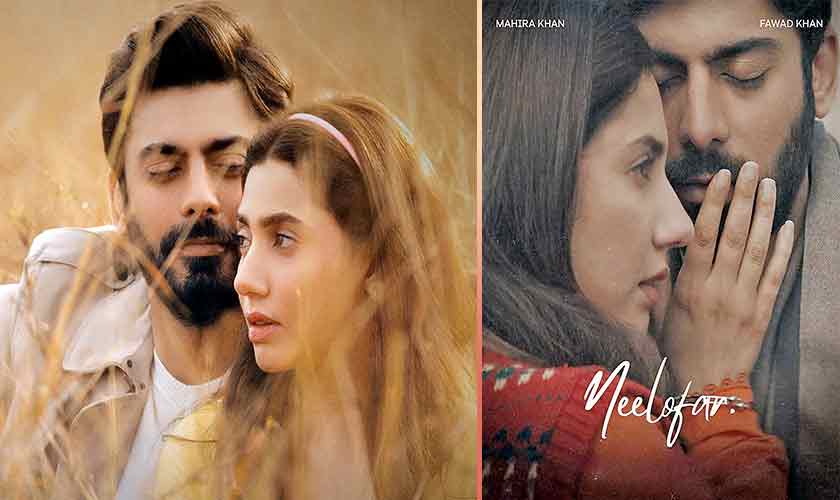
eelofar arrives with one primary headline: the reunion of Fawad Khan and Mahira Khan. For some, this collab-orative star power alone may be enough to fill theatres. Beyond that, the film struggles to justify itself as a coherent story.
The film is visually striking, shaped by soft and intentionally designed palette. Nothing feels manic or rushed. Its deliberate pacing uses aesthetic restraint to turn minor gestures and quiet pauses into emotional beats. This same restraint also exposes the script’s weaknesses. When the narrative drifts, the stillness feels like stalling. When secondary characters slip into cari-catures, the visual delicacy magnifies their loudness. The story attempts to be both intimate and expansive but lacks the narrative strength to sustain either. The overall effect is that the central characters feel like strangers, to each other and to us, even as they inhabit a beautifully constructed world.
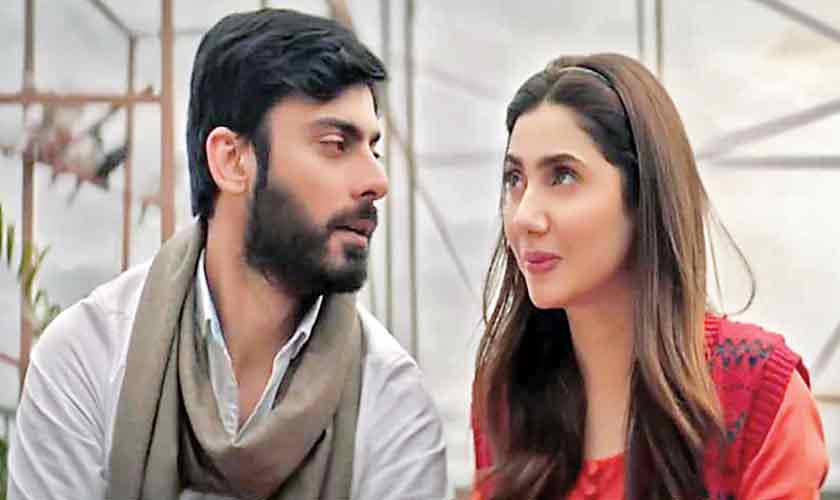
The premise is simple: Mansoor Ali Khan, a celebrated Urdu novelist played by Fawad Khan, returns to Lahore for a book tour and encounters Neelofar, a visually impaired woman portrayed by Mahira Khan. Their relationship grows incrementally thro-ugh conversations over chai, shared silences and the winter-lit cityscapes.
In theory, this should be a tender, intimate romance. In practice it leans towards politeness rather than genuine spark. The script prefers poetically structured dialogue over conflict or emotional complexity. Scenes that should generate tension or passion slip into repetition and stillness.
Fawad and Mahira’s reunion is a clear highlight. The actors visibly enjoy each other’s presence and this be-comes the film’s main appeal.
For Neelofar to succeed as a complete whole, the screenplay needed to be just as effective. It is not. Nostalgia is powerful but here it becomes a crutch, masking a lack of narrative ambition.
It is impossible to discuss Neelofar without addressing how disability functions within the plot. The film avoids sensationalism but still leans on a familiar trope that uses blindness to amplify purity, tragedy and wisdom. Mahira Khan’s Neelofar is written as intuitive and perceptive but rarely given space for inner conflict beyond Mansoor’s arc.
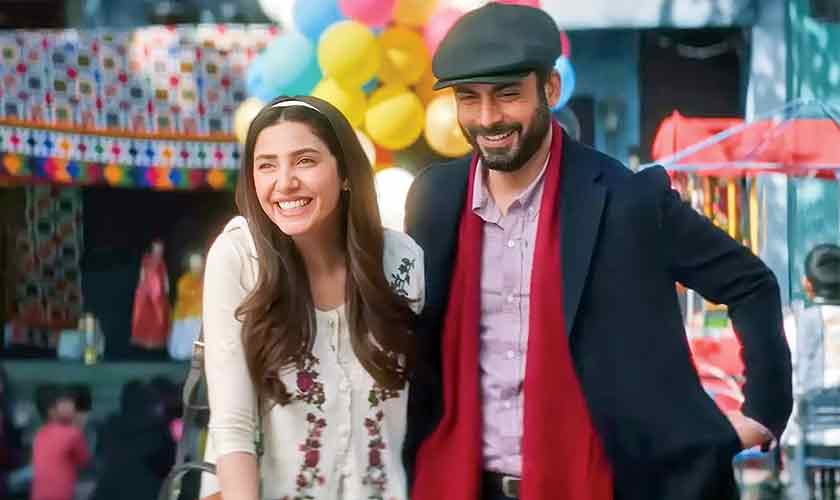
The film gestures towards emp-owerment without committing to it, reducing her to an idea rather than a fully realised person. Anger, desire and frustration surface briefly but are quickly softened to maintain a comforting image of the heroine. This intersects with gendered expectations of femininity. The disabled woman becomes a vessel of ‘tehzeeb’, innocence and moral steadiness, reinforcing a trope in which she exists to support the male protagonist’s growth rather than live independently within the narrative. When the film attempts to show her independence, it feels unconvincing, as if the characters themselves know the world they inhabit is constructed for someone else’s satisfaction.
The most compelling element of Neelofar is not the romance but Mansoor’s emotional psychology. His reluctance to commit is framed not as tragedy but as fear and inertia, a near-sociological portrait of how men avoid responsibility under the guise of noble restraint. Every delayed decision has quiet, sometimes cruel consequences that ripple through Neelofar’s life.
Here the film finds its sharpest insights. It shows how ordinary acts of avoidance shape relationships. Love becomes less about passion and more about capacity. Who stays silent? Who acts? Fawad conveys this internal conflict with precision, using micro-expressions to ground the film even when the plotline drifts.
Supporting players and celebrity cameos are underused and often distract from the core story. Mansoor’s late wife Mahnoor is mentioned but never fully realised. The exception is Atiqa Odho, who delivers one of the film’s strongest performances. She brings emotional clarity to scenes that could have collapsed into senti-mentality. Her dynamic with Mansoor hints at an older grief the film never explores but remains one of its most compelling threads.
The film also incorporates a meta-narrative by referencing public criticism of the male celebrity within the story, a clear nod to Fawad Khan’s real-life experiences following his time in Bollywood this year. It uses this to explore what it feels like to be under fire and the psychological toll of scrutiny.
The music is a notable strength. The score is understated yet evocative, built on gentle compositions that complement the film’s visual softness. It avoids melodrama and instead deepens atmosphere, allowing emot-ions to linger even when the screen-play doesn’t fully earn them. The music and visuals often create a sensory richness more memorable than the story itself.
Despite structural and thematic shortcomings, the central perfor-mances remain persuasive. Fawad Khan delivers a controlled, intro-spective portrayal, allowing restraint to speak louder than dialogue. Mahira Khan imbues Neelofar with warmth and dignity that make her humanity palpable even when the writing fails her. Together they offer fleeting moments of emotional truth that the screenplay often obscures.
The absence of hyper-masculinity is refreshing even if the film’s mean-dering rhythm doesn’t always land.
The film lingers on moments that should move quickly and rushes through others that need space. Emotional beats appear without the necessary scaffolding, creating a drifting effect. The story aims to be a slow burn but often forgets to build the flame.
Themes of grief, artistic responsi-bility, celebrity culture, virality, misinformation and the relevance of Urdu literature are introduced but left unresolved.
Pacing is where the film’s ambition falters most clearly. The first half is meditative and slow, rewarding patient viewers. The second half breaks this rhythm abruptly, shifting into social media fallout, scandal and scrutiny. The tonal change is abrupt. While the film gestures towards a critique of digital harm, it never explores how that harm takes shape.
Verdict
Neelofar is a film of ambition, beauty and sincerity but is rep-eatedly undermined by its own choices. Its romance is muted and its thematic explorations of disability, gender, fame and litera-ture are only partially realised. Star power and nostalgia are used to compensate for structural and conceptual weaknesses. Where the film could interrogate emotional labour, disability or social media culture, it offers abstraction instead.
Ultimately Neelofar lingers more for its performances and visual textures than for its story. It is earnest but frustrating, beautiful yet hollow and a reminder that even the most carefully composed atmospheres cannot compensate for under-developed ideas, missed oppor-tunities and structural misfires.
For viewers who expect narrative coherence, emotional complexity and authentic engagement with contemporary realities, the film falls short.