Print Story
X

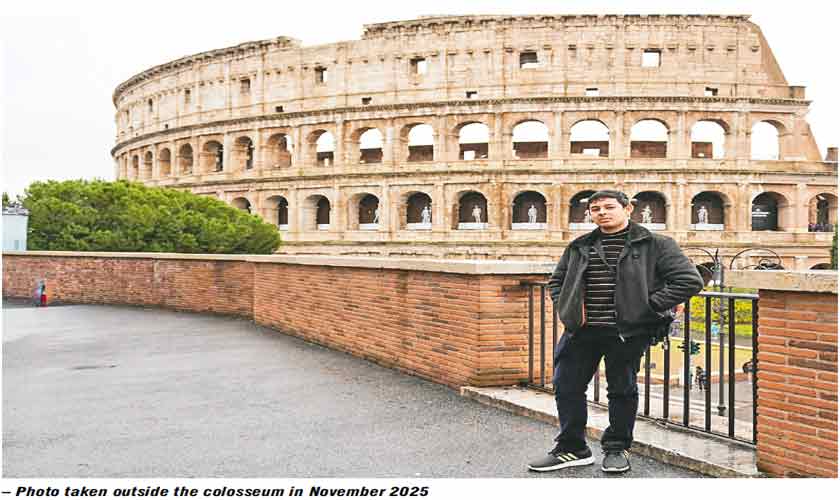
Today’s sports topic is somewhat unique and historic in nature. It deals with one of the new seven wonders of the world, located in Rome. Any guesses? Well those into history will know that it is the famous Colosseum, an iconic symbol of Rome, a legacy of the great Roman Empire which, at its peak, stretched across three continents. The Colosseum was constructed in the first century AD, between the period 72 AD and 80 AD. Its construction began under Emperor Vespasian and was completed by his son Emperor Titus. The Colosseum’s rich history and grand design is a representation of the awesome power of the Roman Empire, together with a reflection of the high degree of engineering skills and architectural prowess which they possessed.
Origins of the name
Colosseum:
The name Colosseum is derived from the ‘Colossus of Nero,’ a massive statue that stood nearby. Colossus itself means colossal or huge. The Colosseum is basically a massive arena with a capacity of accommodating up to 80,000 spectators. It was used as a site for public executions, re-enactment of famous battles, dramatic performances and for other public and royal events. It was also the epicenter for hosting spectacular sporting events.
Other Stadiums constructed by the Romans:
The Colosseum was one of the largest stadiums in the Roman Empire. However, there were other stadiums constructed during or even before the Colosseum period. Some of the other well known ones included:
* The Circus Maximus (6th Century BC): Located in Rome with a massive capacity of 150,000, which made it the largest stadium of that era.
* The Theatre of Pompey (1st Century BC): Located in Rome with a seating capacity of around 60,000.
* The Hippodrome of Constantinople (3rd Century AD): Located in Istanbul with a massive capacity of around 100,000
The Colosseum Design
The Colosseum, along with the other notable stadiums such as those mentioned above were a symbol of the ancient Roman prowess in the innovative engineering and architectural design and construction of sporting arenas and stadiums. A glaring example of this innovative approach is reflected in the Colosseum design which showcased a super crowd management system, much ahead of its time. This efficient crowd management was achieved through a network of 80 entrances, well connected with an array of stairs and corridors. This well planned setup allowed the smooth entry and exit of thousands of spectators at a time without causing undue congestion. Even the area outside the Colosseum was well organized, thus adopting an holistic approach towards crowd management. The area outside the stadium was not only adequate for handling large crowds, but also catered to transportation needs with areas designated for pedestrians and horse drawn carriages. Even protocol needs were catered for with separate entrances provided for VIPs and the participating Gladiators.
The roads leading to the Colosseum (such as the Via Sacra and Via Triumphalis) were also well planned and facilitated smooth traffic flow to and from the stadium, specially on tournament days. Security needs were also fulfilled by providing well trained and equipped guards who were stationed at ticketing booths and entrance and exit points and along the roads leading to the stadium, thus maintaining order throughout major sporting, royal and entertainment events.
The magnificent design and infrastructure of the Colosseum, including the elliptical shape of the stadium, tiered seating arrangement (where the lower tiers were reserved for VIPs, nobles and high ranking officials), and excellently designed crowd management systems were all focussed on maximising spectator experience. The overall design of the arena and the tiered (theatre like) seating arrangements were planned in such a way so as to provide a clear and unobstructed view of the gaming arena for the spectators.
The grandeur design of the stadium reflects the ancient Romans ability not only in terms of their skill and talent in the design and architectural marvels, but also showcases the ancient civilisation’s appetite for sports and entertainment on a massive scale.
Games played at the
Colosseum and at The
Circus Maximus:
The ancient Romans had a passion for sports and entertainment. Their extreme enthusiasm was showcased by the fact that the Colosseum was always jam packed with spectators during major sporting events. Not only that, such events were graced by Emperors and other members of the royal family, which further elevated the prestige and importance of the event, besides making the atmosphere more charged by enthusiastic chanting and cheering of the spectators. Owing to its popularity and huge attendance, Roman Emperors used the occasion for mass contact with the people so as to increase their popularity and also as a means to legitimize their rule.
The games played at the Colosseum (known in Roman as ‘Munera’), though very spectacular, were tarnished by savagery and brutality at times. There was intensity and aggression in them. Winning at all costs was the sole criterion due to the high stakes involved, which at times could be a matter of life or death for the contestants. The most popular sports amongst the Romans included:
* Gladiator fights (also known as Munera in Roman): These were probably the most famous of the combat sports played by Romans, which mainly featured epic battles between the gladiators or between gladiators and wild beasts such as lions etc depending on the level of stakes involved. Modern equivalent of Gladiator combats includes sports such as Mixed Martial Arts (MMA), boxing and wrestling.
* Chariot Racing: Held primarily at the Circus Maximus, this form of sports was also very popular amongst the Romans (and amongst the Greeks before that). It usually involved two wheeled chariots pulled by two or four horses raced against each other round a track. There was fierce competition in such races and often resulted in fatal crashes between chariots especially around the curbs. These were risky sports but attracted slaves and professionals alike who were often in pursuit of earning glory, wealth or freedom. The thrill and risk element provided just the ingredient to make it exciting for the contestants and the spectators alike. The contestants driving the chariots (known as charioteers) were often idolised just like the modern sportsmen. The modern equivalent of Chariot Racing are motorsports such as Formula 1 or NASCAR racing.
· Wild Animal Hunting: This ancient Roman sport was often held before a major Gladiator event and often involved fights between humans and wild beasts such as lions, tigers, bears, crocodiles etc with thousands of animals being killed in the process. Modern equivalent of such fights are the bull fights still popular in Spain, Portugal and Mexico (known as Toros in Spanish). Even today these fights end in the brutal killing of the animal, and bring fame and wealth to the bull fighter, and provide entertainment for the spectators. The author of this article had the opportunity of witnessing a Toro fight in Mexico a few years ago and was appalled by the brutality with which the bulls were being killed.
In conclusion, the Colosseum in Rome is a magnificent reminder of not only the past power and glory of the Roman Empire but also the innovative engineering and architectural prowess they possessed, particularly in design and construction of sports arenas and stadiums. The Colosseum stands as a grand testament to the extreme passion for sports and entertainment ingrained deep within the ancient Roman culture. Though the sports played inside the Colosseum were savage and brutal at times, they showcased the intensity and aggression of the Roman spirit.
The modern nature of sports including the grandeur stadium designs, the crowd management system built into the stadium design, the VIP enclosures, the aggressive spirit of competitors, the roar and cheering of spectators, the rewards in winning and the shame of losing are all a legacy traced back to the ancient Romans. Many of the modern sports, though mechanised and evolved, are a reflection of those played in ancient Rome. The essence and spirit of the Gladiator combats, the chariot racing, the animal hunts, all legacies from the Roman days, lives on and manifests itself in the modern day sports encounters. The Colosseum monument is a reminder of this supreme legacy of the historic era and is a bridge connecting this ancient legacy to modern sports and entertainment. The author, a senior consultant at the Burki Institute of Public Policy at Netsol. He is a corporate member of the Institution of Engineering Technology, UK, and a chartered engineer, UK. He has written a book on Training Needs Analysis (TNA) and has successfully conducted TNA programs in a number of organisations.
He may be contacted at: [email protected]