Print Story
X

| S |
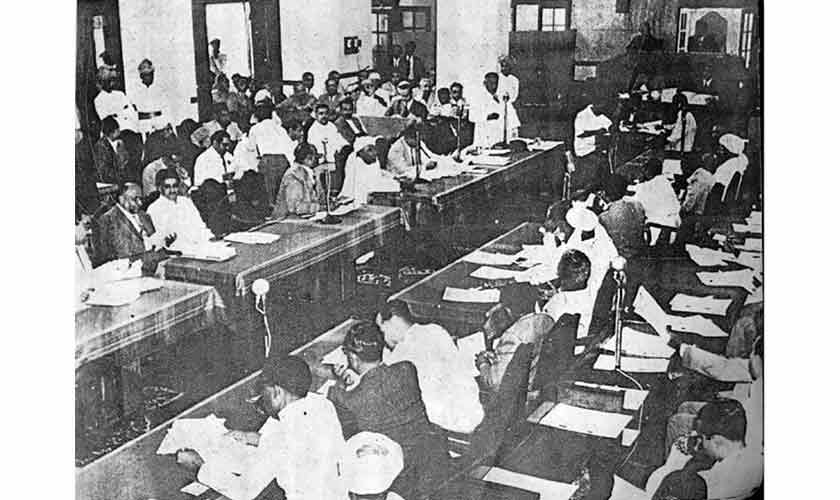
tigmatisation based on provincial origin has, regrettably, become quite popular. This trend reflects a lack of historical awareness and a bias against residents of other provinces. In this article the focus is on the stigmatisation of the Punjab among non-Punjabis. The trend originated in the mid-1950s and 1960s amid a struggle for dominance among the political elites of West Pakistan, which included the Punjab, North-West Frontier Province (now Khyber Pakhtunkhwa, KP), Sindh and other areas. The elites, representing various regions, ethnicities and languages, formed a collective forum known as One Unit to oppose the Bengalis, who sought representation in proportion to their population.
This scheme, advocated mainly by the civil-military oligarchy, encountered significant opposition from all provinces of West Pakistan. The resistance against One Unit commenced on the day of its initial proposal in 1954. Political leaders, students, writers and civil society members from Sindh, KP, the Punjab and Balochistan persisted in their efforts for 15 years.
In the resistance against One Unit, iconic leaders from smaller provinces, including Ghulam Murtaza Syed of Sindh, Khan Abdul Ghaffar Khan of KP and Ghous Bux Bizenjo of Balochistan campaigned against the hegemony of the Punjab. Rather than the Punjab the target should have been the civil and military elite. The former consisted predominantly or Urdu-speaking migrants and the latter represented diverse regions and ethnicities. This was the first time when prejudice and stigma against the Punjab took hold in the non-Punjabi groups. Since then, the stigmatisation of the Punjab has seen several waves.
The context prompts several questions: Are non-Punjabis unwelcome in the Punjab? Is there evidence to suggest that Punjabis hold prejudiced views towards non-Punjabis? Is there animosity among Punjabis towards non-Punjabis based on ethnicity and language?
Non-Punjabis who harbour stigma and prejudice against the Punjab either lack awareness of the region’s history, geography and culture or disregard these facts to perpetuate negative perceptions of the Punjab.
The Punjab has mostly welcomed non-Punjabis, offering opportunities in education, business and permanent residency. To establish and navigate the argument, I will record some examples of this behaviour.
First, on December 3, the Pashtun Education Development Movement held a celebration to commemorate Pashtun Culture Day. The event took place at the Main Sports Ground of the Punjab University, Lahore, the largest and oldest university in the Punjab. The event was a great success and concluded peacefully. This colorful celebration was enthusiastically embraced by the Punjabis, of whom many actively participated in it. The event would not have taken place in the Punjab if the people of Punjab had been unwelcoming to people who were not of Punjabi descent.
Second, Pashtuns can conduct all kinds of businesses in the Punjab. To mention just one example, Quetta Cafes are found in every other city in the Punjab. Pashtuns are the proprietors and operators of these cafes. Not only have Punjabis allowed these cafes to operate, but they have also been frequenting these to eat, take tea and enjoy other beverages. Had the Punjabis harboured prejudice against non-Punjabis, they would not have permitted non-Punjabis to enter the province, let alone allow them to engage in commercial activities.
Third, the Punjab not only welcomes members of non-Punjab communities but also allows them to live here permanently. Several ethnic and linguistic groups, including Pashtuns, Balochis, Sindhis, Biharis, Bengalis, Turks, Iranians and others, have now migrated and settled here. This is apparent in the demographics of the Punjab, which reveal that these communities have established themselves here. Further there have been intermarriages between these non-Punjabis and Punjabis. Had Punjabis harboured prejudice and venomous hatred for these non-Punjabis, they would not have permitted them to become citizens of the Punjab, let alone allowed intermarriages between Punjabis and non-Punjabis.
Unfortunately, however, Punjabis travelling to and working in Balochistan, have been harassed, even killed. They are also not welcome in parts of KP. Sindh is the only province in Pakistan that extends a cordial welcome to Punjabis.
I hold that the Punjabi elite, especially the civil-military oligarchy, bears responsibility for provoking and exacerbating hostility among non-Punjabis towards Punjabis. However, I do not accept the notion that the Punjabi elite alone are accountable for generating and perpetuating this animosity. I contend instead that both Punjabi and non-Punjabi elites—comprising landed, religious, bureaucratic, military, industrial and professional sectors—share responsibility for the establishment of this hostile environment.
Both Punjabis and non-Punjabis need to learn to coexist without prejudice or unreasonable bias. Rather than engaging in conflict with one another, they need to recognise the need to oppose the elite who propagate hatred and have monopolised resources for their selfish purposes, specifically the establishment and preservation of hegemony and opulent lifestyles. A class struggle, i.e., elite versus non-elite, is the only solution to mitigate and eradicate this hate and prejudice and to advance Pakistan on the path of progress.
Mazhar Abbas, author of The Aftermath of the Bangladesh Liberation War of 1971: Enduring Impact (Routledge, 2024), has a PhD in history from Shanghai University. He is a lecturer at GCU, Faisalabad, and a research fellow at PIDE, Islamabad. He can be contacted at mazharabbasgondal87 @gmail.com. His X-handle is @MazharGondal87.